
The Ultimate Guide for Western Australia
Let’s start our guide to the Western Australia road trip with the most important facts: Western Australia is the largest state in Australia and about seven times bigger than Germany. Yet Western Australia is home to only 2.7 million people, almost 2 million of whom live in the capital, Perth (Germany has around 83 million inhabitants!)! If Western Australia were an independent country, it would be the tenth-largest country in the world in terms of area!
Perth is the capital and largest city of Western Australia. It is also the most remote major city in the world, around 2,700 kilometres from Adelaide, the nearest major city.
What is the best time to travel through Western Australia?
Western Australia is huge, and there are different climate zones. The north has tropical weather, while the south has more temperate, Mediterranean weather.
- The ideal time to travel to the north-west of Australia is from October to March (you can generally travel all year round, but you can expect more rainy days in the Australian winter)
- The ideal travelling time for the Coral Coast (Perth to Exmouth) is from April to December.
- The ideal time to travel to the north-west of Australia is from May to October. In the Australian summer, there are cyclones, flooded roads, and extreme heat, so you should avoid this time.
Suppose you are planning an extensive campervan road trip through Western Australia and perhaps even have two months to spare: from the southwest in Esperance to Broome in the north. In that case, we recommend travelling in April and May: temperatures are still warm in the south, and the rainy season ends in the north.
Is a road trip on the west coast of Australia right for you?
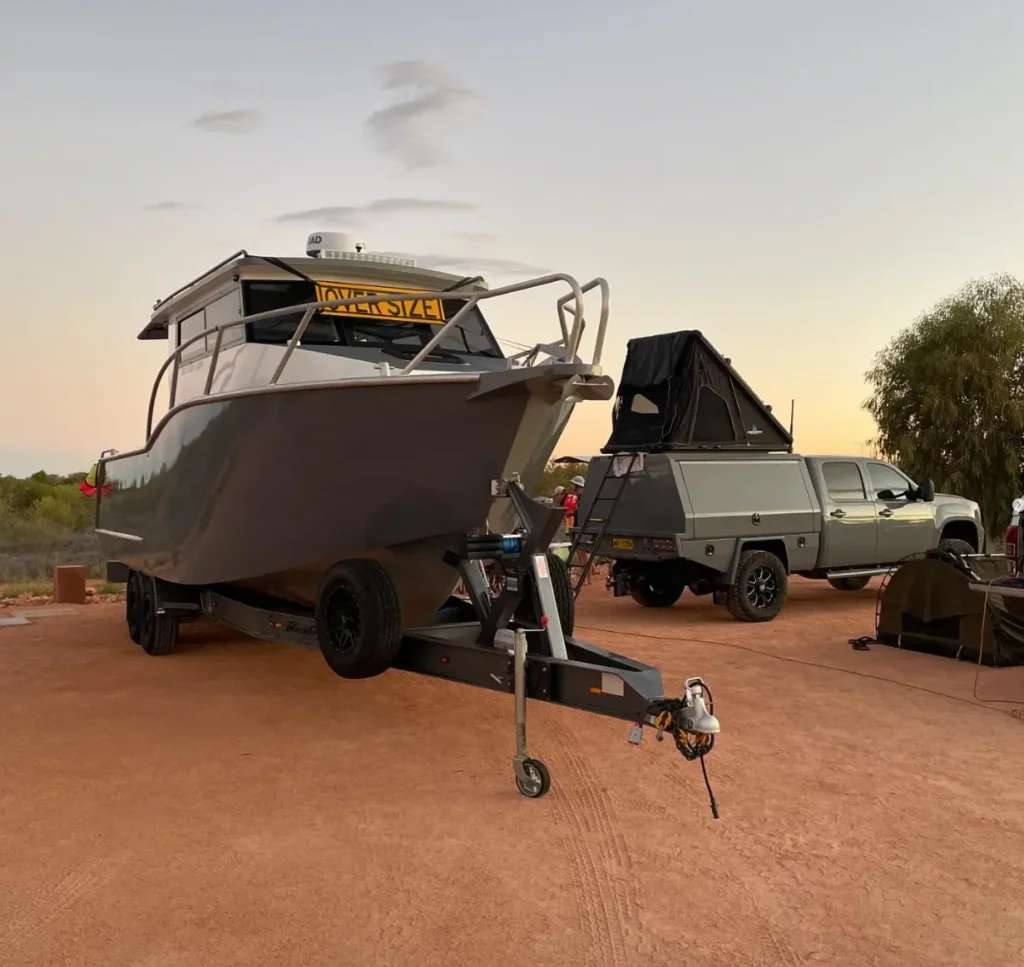
Before deciding on a road trip through Western Australia, consider the distances along your planned route.
A road trip through Western Australia is suitable for you if you agree with these statements:
- We love solitude and nature, which are far from civilisation.
- We like driving a car or campervan. Long, monotonous routes and roads that are just brutally straight ahead are precisely what we are looking for!
- Beaches, snorkelling and fishing – that’s what we want!
- Temperatures are around 30 degrees, red desert sand is everywhere, and intrusive bush flies are everywhere.
If you’re unsure whether this is for you, perhaps a road trip on the busier East Coast is more up your street. Or, like us, you could start with a road trip to southwest Australia. There, you have good infrastructure and manageable distances.
Wildlife in Western Australia

You will come across kangaroos and emus in the wild again and again in Western Australia – often on the roadside and usually no longer alive. So, our tip for your Western Australia road trip is to only drive in daylight. After dusk, the animals become more active, and a collision on the road is more likely.
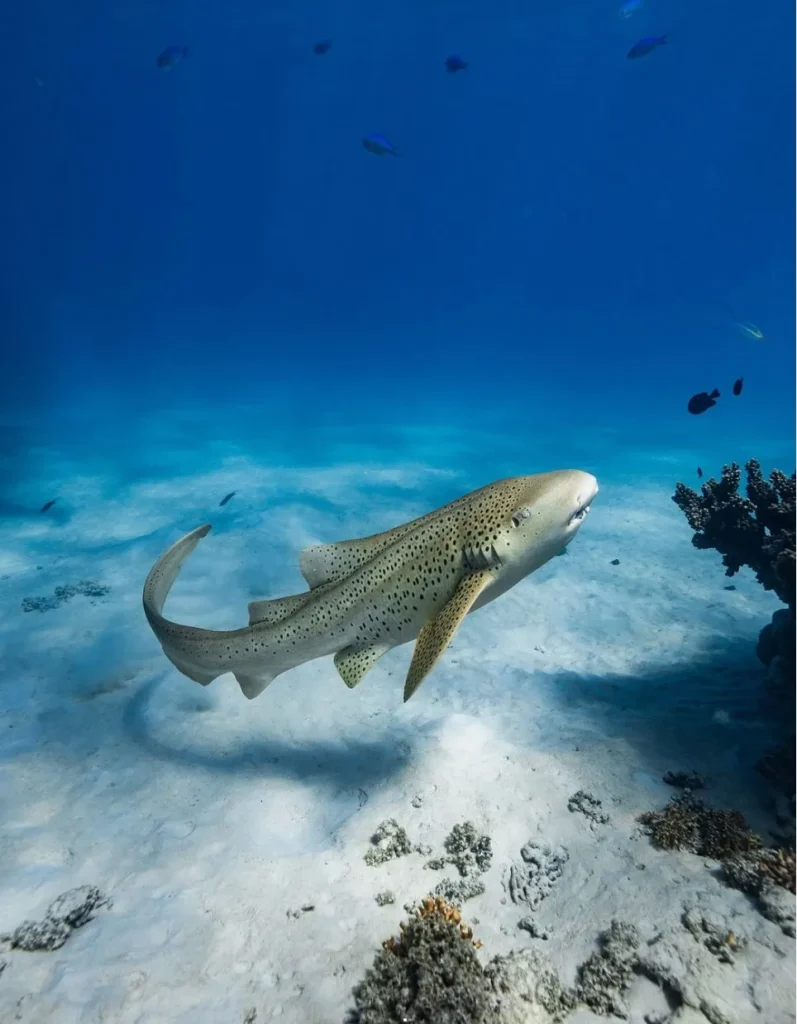
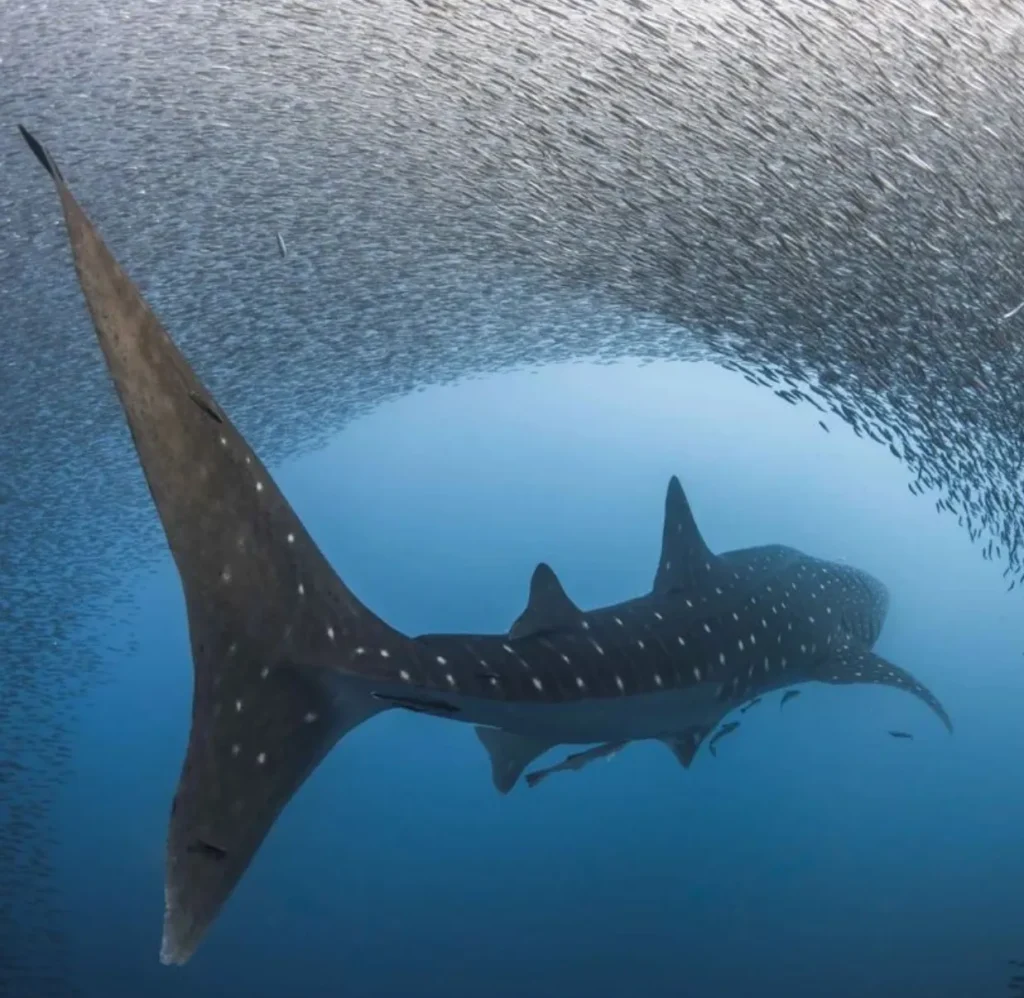
First, there are no koalas or wombats in Western Australia! They live on the East Coast and can only be seen in zoos in the West. But the marine world in Western Australia is a particular highlight! Depending on the season, there are stingrays, ancient sea turtles, dolphins and much more to discover underwater. The tours where you can snorkel with whale sharks in the Ningaloo Reef are top-rated – this is possible from March to July.
Our animal highlights in Western Australia:
- Curious quokkas on Rottenest Island
- Countless kangaroos, green parrots and black cockatoos in Yanchep National Park
- Stingrays up close at Hamelin Bay in the south-southwests in Monkey Mia
- Snorkelling with turtles on Ningaloo Reef
- Dingoes in Karijini National Park
Dangerous and poisonous animals - dangers in Western Australia
Especially if you are travelling with children in Western Australia (but of course also otherwise), you should take certain precautions:
- There are warning signs with special risks (shark season, poisonous jellyfish, snake danger, crocodiles, etc.). Pay particular attention here or turn around.
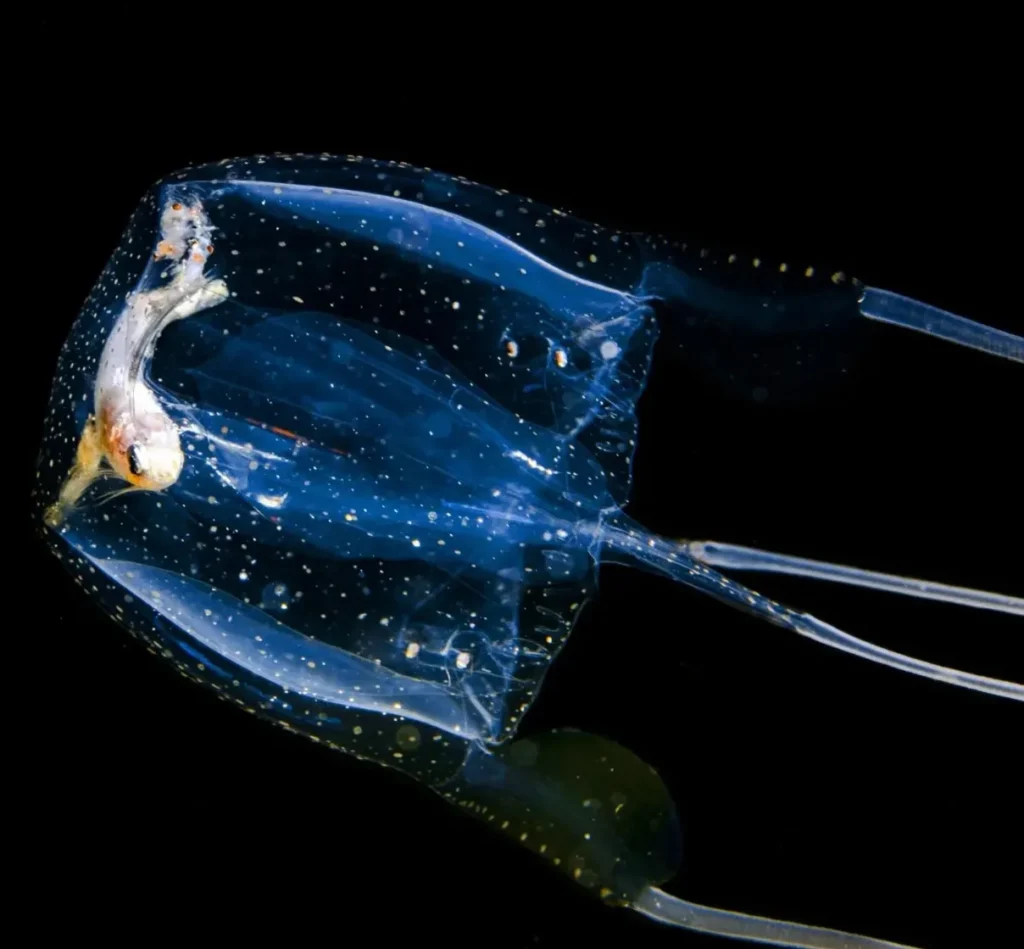
- The Box jellyfish is one of the most poisonous animals in the world. The season for this jellyfish, also known as the sea wasp, is from October to May in the northern regions of Western Australia.
- Educate your children about the risks and always keep an eye on them!
- When bushwalking, wear ankle-high boots and tread firmly: this will scare away snakes.
- Check your surroundings carefully before you sit down, and don’t reach into crevices.
Ultimately, we travelled through Western Australia with our children for about two months: southeast of Esperance along the coast to Broome and across the border into the Northern Territory. We only encountered two snakes and a few spiders in Karijini National Park.
National Parks in Western Australia
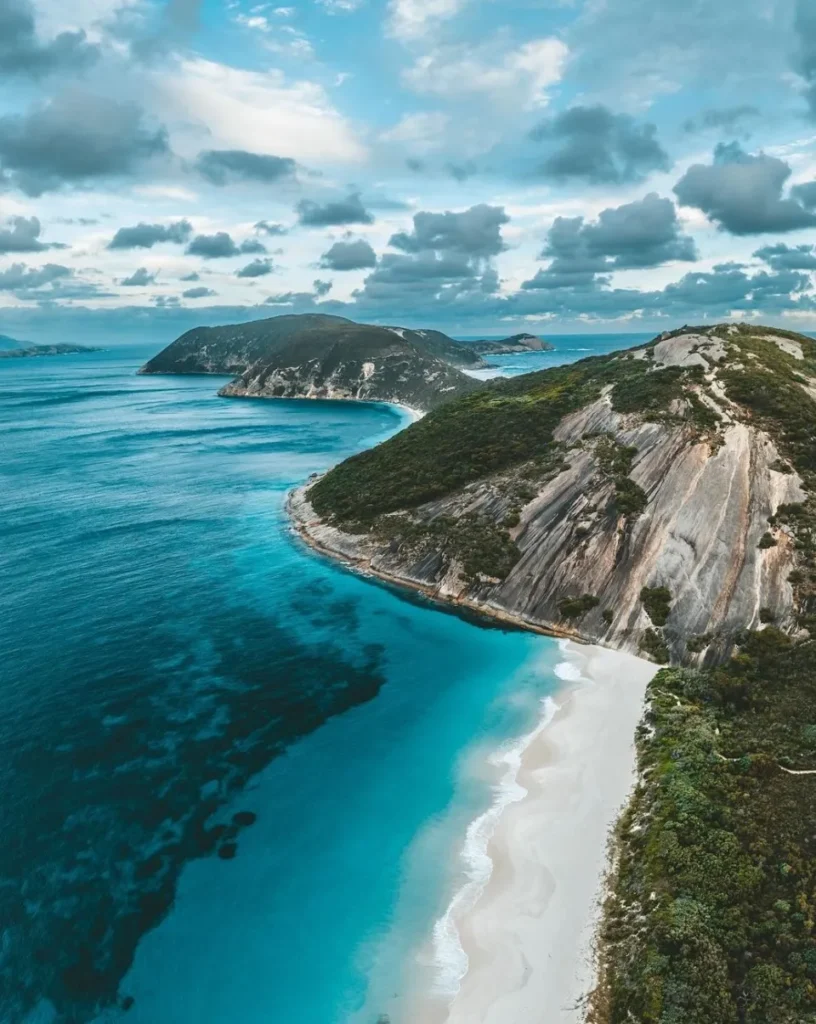
Our money-saving tip for the Western Australia road trip: As you will probably visit several national parks, buying a Holiday Pass is worth buying. This overview lists Western Australia’s national parks that charge a fee, sorted by region.
You can buy the National Park Pass for Western Australia for four weeks, 14 days, or five days. An annual pass is also available, but please note that this national park pass is only valid in Western Australia. Here are the costs for the Holiday Pass in Western Australia.
Our national park highlights in Western Australia with the motorhome were:
- Torndirrup National Park with The Gap and the Blow Holes in the southwest
- The Nature Window and the Skywalk in Kalbarri National Park
- Karijini National Park has a trail through Hancock Gorge to Kermitspool, where you can swim in Fernpool, and a trail to Fortescue Falls.