Prestige tours

great barrier reef

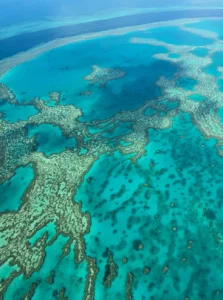
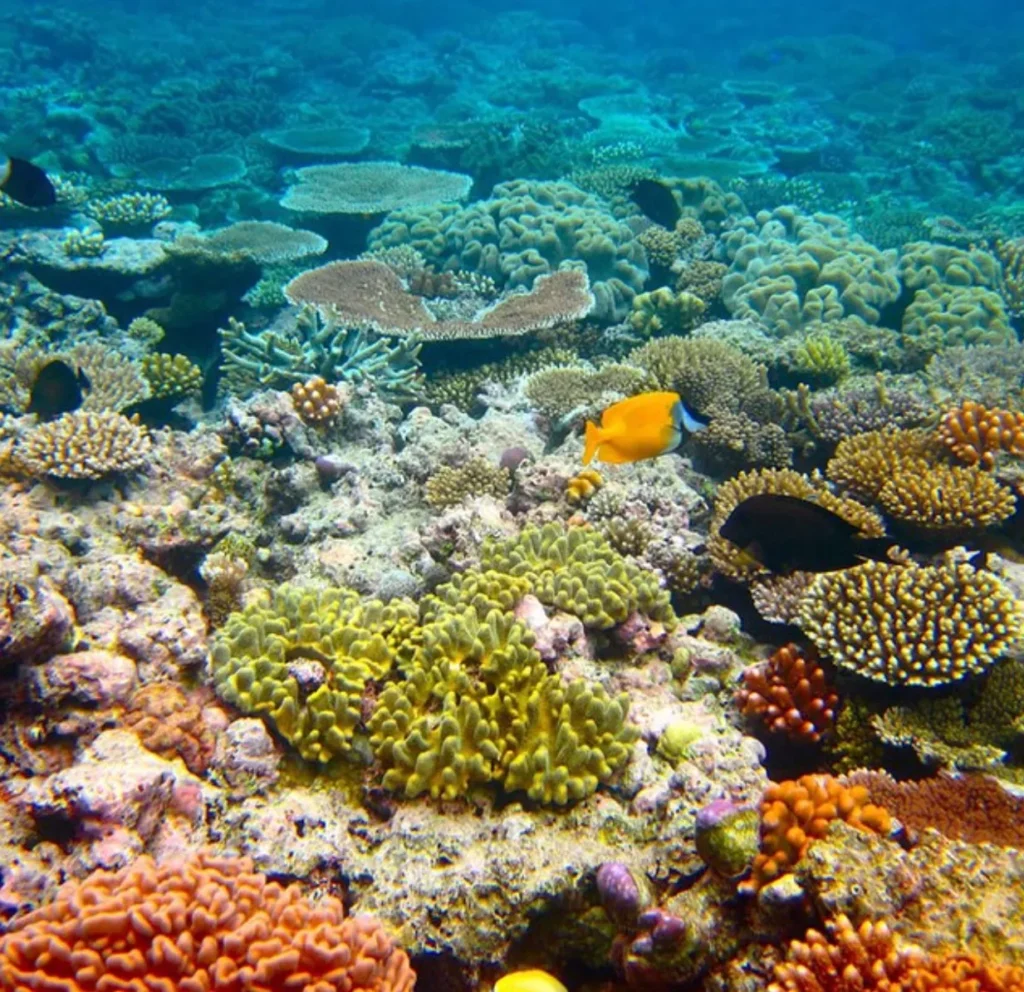
The Great Barrier Reef stretches for more than 2000 km east of the Australian continent, up to 300km from the coast. In the south, it begins near the Tropic of Capricorn at Lady Elliot Island, and in the north, it extends to the Torres Strait, which separates Australia from New Guinea. It is the largest reef system on earth and, simultaneously, the largest structure created by living organisms. Some people call the Great Barrier Reef the largest living thing on Earth; it is the only living structure that can be seen from space. The Great Barrier Reef was declared a World Heritage Site on October 26, 1981, to preserve this unique natural area and ecosystem. 

Corals

Corals

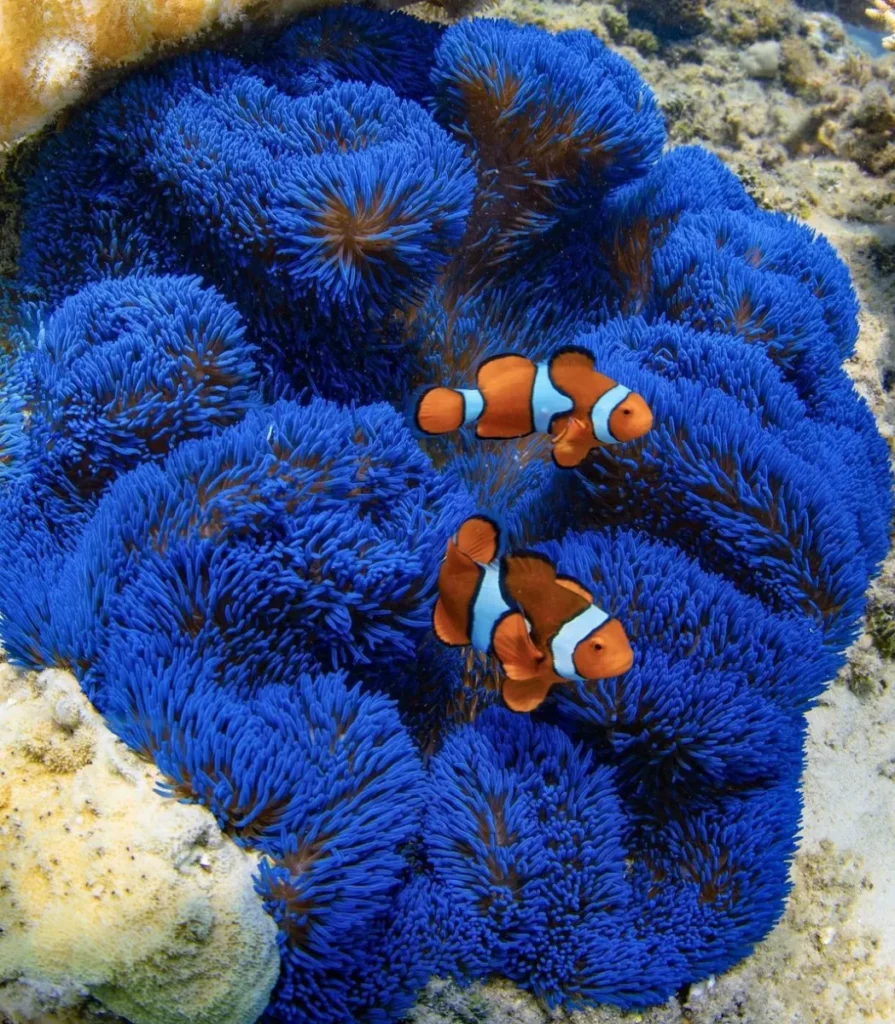
Marine polyps of the Coelenterata family form corals. A distinction is made between soft and hard corals. Hard corals are formed by the polyps’ calcium secretions left behind after the polyps die. The constant settlement of new polyps on the calcium residues of their predecessors gradually creates the familiar skeletal or plateau forms of corals. The corals of the Great Barrier Reef are up to 18 million years old, and most of the reef dates back about two million years.

The polyps

Coral polyps

The polyps are very sensitive creatures, and the water temperature, salinity and clarity are the main factors that determine whether polyps can settle in a particular place. Only these living polyps produce the bright colours that the reef shows visitors, while the dead corals have a white colour.

See also  Adventure Awaits Activities and Attractions at Kings Canyon, Australia

A colony of polyps

The water temperature must be at least 17.5° Celsius to encourage the colonization of polyps. For this reason, the Great Barrier Reef in the south only begins at the Tropic of Capricorn. The clarity of the water determines the amount of sunlight that reaches it, which is essential for the growth of polyps. This means that corals can only form at depths of around 30 m; below this, the sunlight is no longer sufficient for living conditions.

Conclusion

The area known as the Great Barrier Reef consists of around 2,600 individual reefs. There are reefs on the coastal strips sloping down to the sea and on islands, as well as the real barrier reef on the edge of the continental shelf, which lies behind an arm of the sea up to 60m deep. The area includes around 600 continental islands and 350 coral islands.

Popular articles
Commercial Cleaning Glass Costs
How Much Does It Cost To Clean a Commercial Window?

We get into the cost of cleaning a commercial window. And we can tell you, window cleaning in a commercial building is more than just
See also  Kayaking on the Corroboree Billabong: An Aquatic Adventure
Read More »