
Contents
- 1 Alice Springs and Its Unique Flora and Fauna: A Nature Lover’s Paradise
- 1.1 The Natural Beauty of Alice Springs
- 1.2
- 1.3 Iconic Flora of Alice Springs
- 1.4 Famous Fauna of Alice Springs
- 1.5 Best Places to Observe in the Wildlife
- 1.6 Practical Tips for Nature Enthusiasts
- 1.7 Conclusion
- 1.8 FAQs
- 1.8.1 When is the best season for visitors to see wildlife in Alice Springs?
- 1.8.2 Are there guided tours in Alice Springs?
- 1.8.3 What should I bring when exploring Alice Springs?
- 1.8.4 Where is the best place to see kangaroos in Alice Springs?
- 1.8.5 What is special about the Alice Springs Desert Park and the exhibits within it?
- 1.9
Alice Springs and Its Unique Flora and Fauna: A Nature Lover’s Paradise
Alice Springs, which is located in the central region of the Northern Territory of Australia, bears witness to the majestic nature and varied landscapes that the continent has to offer. Covering some of the Australian desert, this remote outback town is a fruitful base for outside lovers wishing to witness exclusive plant and animal life. With its striking landscapes, from the arid region flora to the panoramic views of the East MacDonnell Ranges, Alice Springs offers an unforgettable experience for those keen on discovering Australia’s natural wonders.
Named for a town in central Australia, the Alice Springs to Uluru Tour departs from Alice Springs. In fact, this is a very interesting tour because you will be able to see the famous Australian landmarks in the center of Australia such as Uluru or Ayers Rock, Kata Tjuta or The Olgas and Kings Canyon. By participating in these guided trips, you will gain a deeper understanding of the rich Aboriginal culture in this part of Australia, its sacred locations and amazing rock formations. No matter if you opt for a day tour or decide to go for a several day tour with camping in the outback, the Alice Springs to Uluru experience is bound to more than just evoke memories of this unique Australian outback.
The Natural Beauty of Alice Springs

The Natural Beauty of Alice Springs, which is the most populated town in the interior and has more territory than the others, is obviously beautiful and has rough terrain. This region is known to have a dry climate, characteristic of its distinctive natural beauty. Outback is littered with interesting structures like Simpsons Gap and the Standley Chasm, which are breathtaking. These features are the product of a series of geological activities that have taken place for centuries changing the surface of the earth. Upon arrival to Alice Springs, the tourist’s first impressions include beautiful red desert sand, rocky mass and clear blue sky extending in every direction with no interruption.
The town acts as a point of access for numerous national and conservation parks demarcating the regions which hold varied ecological zones. Of these, the Alice Springs Desert Park is a highlight for the people who travel to this region. In this park, you will get to learn about the plants and animals that inhibit such dry conditions, and also view them in their natural setting. The engaging imagery also explains the desert’s inhabiting animals, the changes they have undergone to survive and how the land is important to its rightful owners.
Key Natural Attractions in and Around Alice Springs
Alice Springs Desert Park – a wildflowers centre with educational activities and a guide for the understanding of deserts’ plants and animals.
Simpsons Gap – a spectacular series of high rock walls and a waterhole with every chance of sighting wildlife and walking to scenic places.
Ormiston Gorge – a gorge that boasts spectacular scenery and is home to an abundance of birds. This gorge is often used for swimming as well as for its hiking trails.
Standley Chasm – A gorge typically best known for the red walls which lit up at the afternoon sun light making it a scenery photographer’s sanctuary.
Iconic Flora of Alice Springs

Alice Springs is home to a fascinating array of plant species that have adapted to the harsh desert environment. The vegetation of this region is mainly xeromorphic and hydrophobic in scale with numerous adaptations possessed by certain species. One such plant is called a Desert Rose which grows back from every drought season with resplendent blossoms which decorate the perfectly bare Australian outback. Another such plant is the Sturt’s Desert Pea Plant that has black and red flowers that have become synonymous with the desert Region of Australia.
Beyond these noteworthy plants, this region is also populated with many native trees and shrubs that have important functions in the biological community. In Alice Springs, it is not unusual to see the Mulgal Tree as it withstands drought. A conspicuous tree within the region is Ghost Gum, which has white bark with a unique structure superimposing the landscape’s beauty.
Famous Fauna of Alice Springs
As much as the vegetation flora of Alice Springs is, so is the fauna. Among the many reptiles which are found in this area is the Centralian Rough Knob-tail Gecko. This is a large gecko with a peculiar feature of a knob on its tail. Another reptile is the Perentie, Australia’s giant goanna that can grow a length of 2.5 meters. These are predators and thus enhance insect population control and ecological stability in the area.
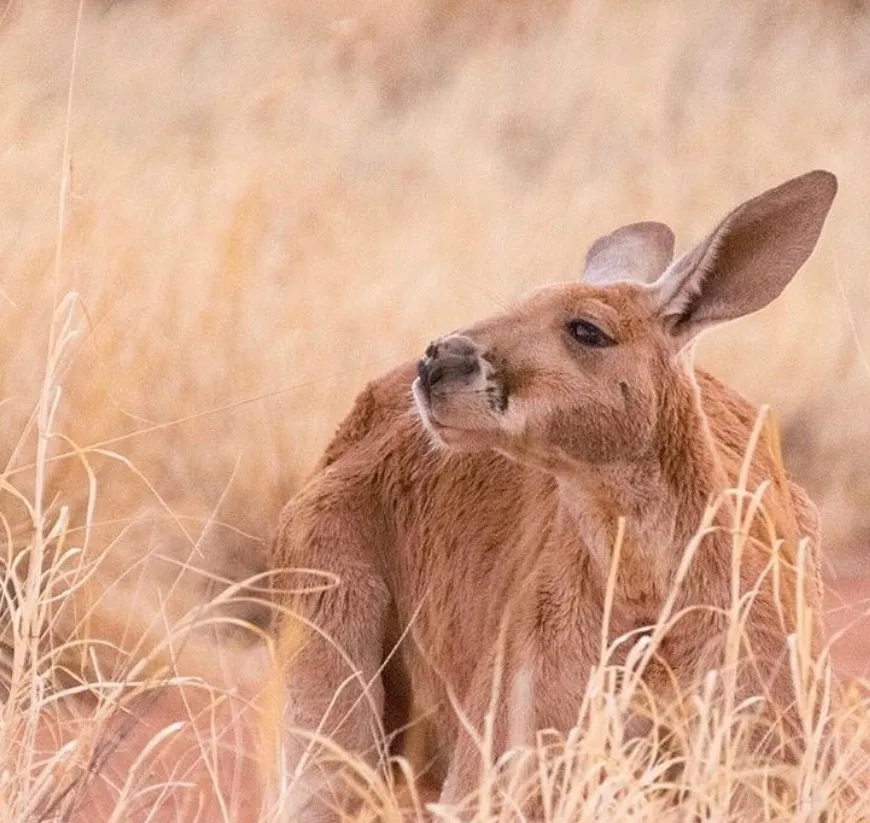
Of the many common mammals inhabiting the area, the red kangaroo could be described as the quintessential representative of Australian wildlife. These kinds of kangaroos are well-built for the outback environment and will only be observed feeding actively in the twilight or at dawn. Alice Springs also has a notable small marsupial with very big ears and a long tail known as the bilby. Together with the reptiles and birds of this region, these mammals form an interesting and complex system that many people travel to see.
Best Places to Observe in the Wildlife
Alice Springs has exceptional places where nature-loving and animal-seeking tourists can view the different animals within that region. Perhaps the most famous is the Alice Springs Desert Park, which displays different ecosystems that represent the region’s flora and fauna. The park has miles of hiking trails, free flight presentations, and numerous displays to educate visitors on various aspects of life in the desert.
Simpsons Gap is another point where one can see wild animals in their natural setting, though a little less wild because of the breathtaking scenery. The black-footed rock wallabies are some of the species found in the gap and their sighting is likely during early morning or late afternoons. This site is also attractive because of the impressive scenery of the cliffs that encircle the site as well as a waterhole that is always present.
Practical Tips for Nature Enthusiasts

For those undertaking a trip towards Alice Springs, it’s essential to know that taking the right steps is important for achieving the right results.
Preparation and Gear must also be taken into account, as the outback calls for some equipment and supplies. These must include sun hats, sunscreen, dark pairs of glasses, which are necessary in hot and sunny parts of the country, and plenty of water to refresh the body. Sturdy hiking boots are also helpful in moving on paths and rough landscapes.
Safety Tips are equally important when exploring the outback. Being aware of the dangers arising from the extreme conditions is very important, among them being the weather and isolating yourself. Always inform someone of your travel plans and expected return time. Be prepared for sudden changes in weather and carry a first aid kit for emergencies. Lastly, follow any local guidelines and warning signs to ensure a safe and responsible adventure.
Essential Preparation and Safety Tips
Preparation
- Bring sun protection, ample water, and sturdy hiking boots accordingly.
- A camera and binoculars would also be applicable to observe any wildlife.
- Prepare an itinerary and inform someone of the trip.
Safety
- Be aware of extreme temperatures and remote conditions.
- Prepare for weather changes and carry a first aid kit.
- Follow local guidelines and warning signs for a safe experience.
Conclusion
Between the red sands and rocks, as well as dry riverbeds, are myriad landscapes and sites that make Alice Springs the centre of attention for nature admirers and photography artists alike. From the highlands of East MacDonnell Ranges Distant lookout to such places as Alice Springs Desert Park with its different zones, each carrying complex ecosystems, this region possesses a unique natural experience.
Desert vegetation, indigenous fauna, and the remnants of ancient geological processes coexist in a rhythm that attracts most of the visitors while making some of them feel off-balance. Sites such as Simpsons Gap and Standley Chasm as well as involvement in Aboriginal culture including traditions as well as ecological stewardship of Alice springs connects to Australia on a deeper level. Appreciate the awe-inspiring scenery, the variety of life, and the vibrant tales that make this part of the earth so special.
FAQs
When is the best season for visitors to see wildlife in Alice Springs?
Winter is suitable for maximum comfort and a good chance to view animals in green surroundings.
Are there guided tours in Alice Springs?
Indeed, it is possible to participate in, for example, the Alice Springs Uluru Tour, where more detailed information is given concerning the local wildlife and plant life.
What should I bring when exploring Alice Springs?
Carry sun protection, sufficient water supply, good pouring shoes, and the camera.
Where is the best place to see kangaroos in Alice Springs?
Yes, kangaroos are commonly observed, particularly during mornings and afternoons.
What is special about the Alice Springs Desert Park and the exhibits within it?
It features living exhibits and stunning desert plants and animals within their natural environment.