
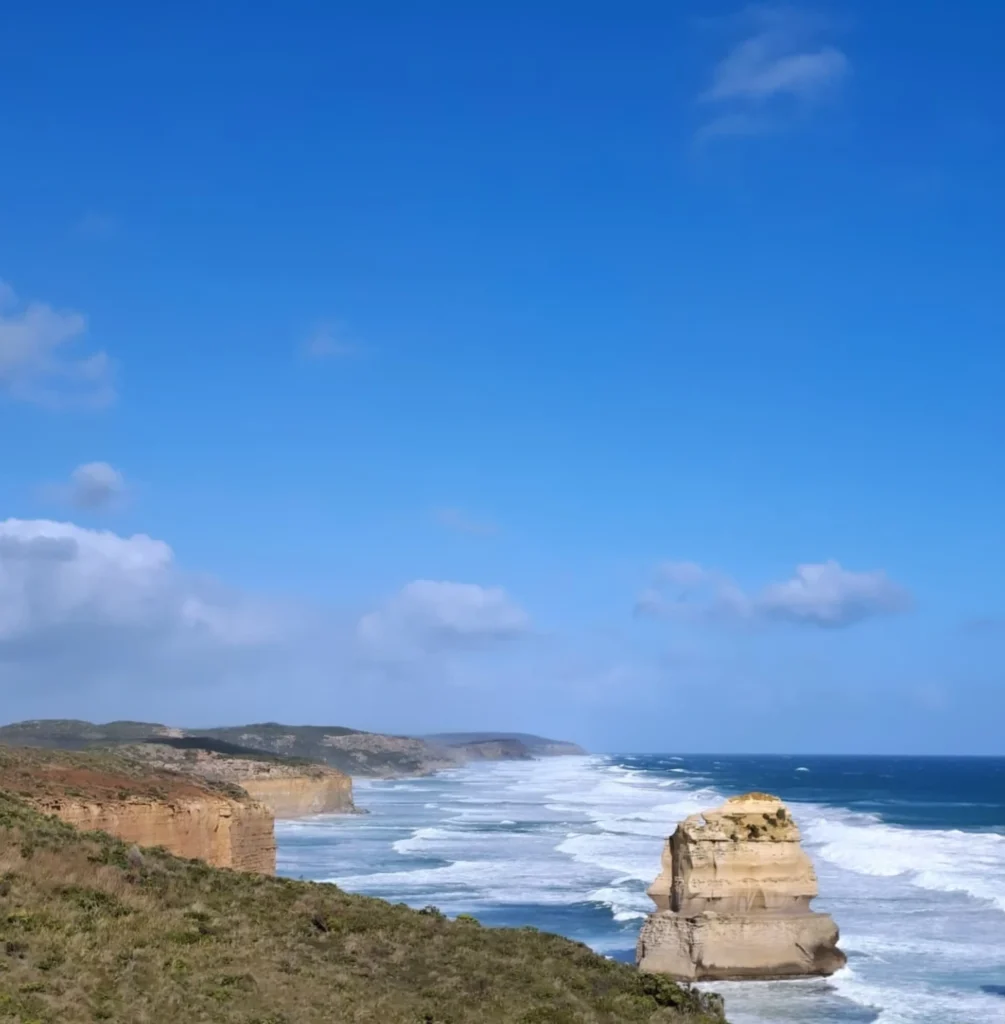
“So, Is It Possible to Hike the Great Ocean Road All the Way?” Is a question I get asked way too many times – usually by people who’ve just seen their first photo of the Twelve Apostles and are immediately fantasising about ditching their car keys for some comfy hiking boots. I’m Paul Beames, the founder of Get Lost Travel Group, and I’ve spent countless hours exploring this coastline – enough to tell you that yes, it is possible to walk it. But let’s be real, it’s not just a matter of chucking some snack bars in your backpack and following the road from Torquay to Allansford.
The Great Ocean Road is one of the world’s most stunning drives, and its bitumen ribbon covers a pretty incredible landscape. But beneath that lies a network of more rugged trails, quieter beaches, and bush tracks that really show off this coastline’s true character. And if you’re up for putting in the legwork, you can experience the whole stretch in a really immersive way – one step at a time. Lots of people booking a Great Ocean Road Tour from Melbourne have found themselves wishing they had more time to tackle sections of the trail after catching glimpses of those rugged cliffs and ocean spray from the lookout points.
Contents
- 1 How the Great Ocean Walk Was Born
- 2 Plan Your Walk Smart
- 3 The Great Ocean Walk – Highlights and Hidden Challenges
- 4 What Made The Journey Worth All That Hard Work
- 5 What You Need To Be On Guard Against
- 6 Some Hard-Won Tips From The Track
- 7 Environmental and Cultural Respect
- 8 How to Walk and Drive
- 9 Final Thoughts: On Foot Along the Great Ocean Road
- 10 FAQ
- 10.1 How long does it take to walk from Apollo Bay to the Twelve Apostles?
- 10.2 Can I walk the entire 243km of the Great Ocean Road?
- 10.3 Are shuttle services available to get me along the trail?
- 10.4 What’s the best time of year to tackle this hike?
- 10.5 Do I need a permit to camp anywhere, or can I just pitch a tent?
How the Great Ocean Walk Was Born
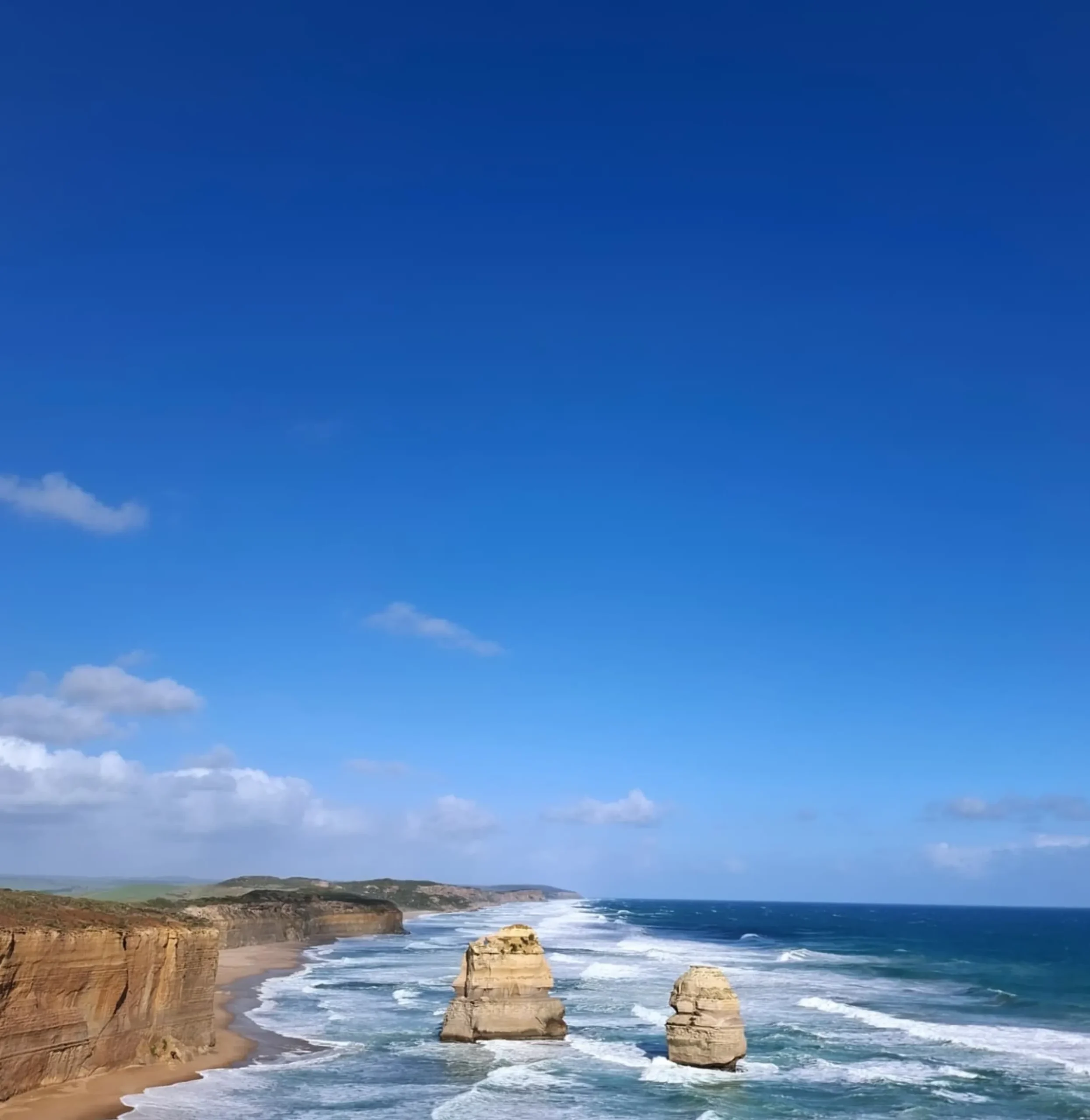
What most people call the “walkable Great Ocean Road” is technically the Great Ocean Walk—a brand-new 104 km-long-distance trail that spans from Apollo Bay to the Twelve Apostles. It was built in stages between 2004 and 2006, designed to let people explore the Great Otway and Port Campbell National Parks without the crowds and car parks.
Unlike the road itself (which chugs along for 243 kilometres, often inland through farmland ), the Great Ocean Walk sticks right to the coast, crossing cliffs, forests and beaches. It’s not the entire road by any means, but it’s the closest you’ll get to walking the spirit of it. Great Ocean Road Tours often chuck in parts of this walking route for people who want a guided drive and a short, scenic hike.
Quick facts:
| Section | Distance | Time (Approx.) | Terrain | Highlights |
|---|---|---|---|---|
| Apollo Bay – Blanket Bay | 22 km | 1–2 days | Moderate | Shelly beaches, rainforest gullies |
| Blanket Bay – Aire River | 21 km | 1–2 days | Moderate | Cape Otway Lighthouse, koala sightings |
| Aire River – Johanna Beach | 14 km | 1 day | Challenging | Sand dunes, ocean views |
| Johanna Beach – Twelve Apostles | 47 km | 3–4 days | Moderate–Hard | Shipwreck Coast, limestone cliffs |
Each section can be done as a day walk, and there are shuttle services between major trailheads for those who don’t want to carry everything or retrace their steps. Many hikers use these transfers to do shorter day walks — a great option if you’re short on time or your knees don’t like the full distance.
Plan Your Walk Smart
Before you even put your boots on, it’s worth planning your route and logistics. Accommodation, weather and transport can make or break your Great Ocean Walk experience.
Key Logistics to Consider:
- Trail Direction: Most walkers go westward (Apollo Bay to the Apostles), keeping the ocean on their left. This gives better views and easier logistics with accommodation.
- Duration: The full walk takes around 8 days if you go at a steady pace and stay overnight along the track.
- Accommodation: Choose from campsites, eco-lodges or nearby motels. Some campsites need to be booked well ahead through Parks Victoria.
- Season: Spring and autumn are mild, but pack for all seasons — this coast can throw four seasons at you before lunch.
If you don’t want to deal with the logistics, shuttle services and tour companies (like us at Get Lost Travel Group) can help with transfers, gear transport and accommodation bookings. Some operators even have a shopping cart on their website so you can easily view options and book multiple stages or add-ons like gear hire, meals or guided tours.
Travellers on a Great Ocean Road Tour from Melbourne can also combine their walk with a guided scenic drive, getting the best of both worlds — the open trail and the comfort of a small-group tour.
The Great Ocean Walk – Highlights and Hidden Challenges
The Great Ocean Walk is no Sunday picnic. It demands your sweat and toil, but in return, it spoils you with raw, untamed beauty and a few nasty blisters to boot – the ultimate payback.
What Made The Journey Worth All That Hard Work
Cape Otway Lightstation: You can’t help but be charmed by this old stager of a lighthouse perched on a windswept headland. Get a room nearby and indulge in some history and a cracking sunset view or two.
Maits Rest Rainforest: It’s an easy detour from the highway near Apollo Bay, and suddenly you’re transported into a primeval myrtle beech forest that’ll leave you breathless.
Johanna Beach: It’s a wild stretch of sand that gets used as a backup surf spot for the Bells Beach Classic when the waves are just too huge.
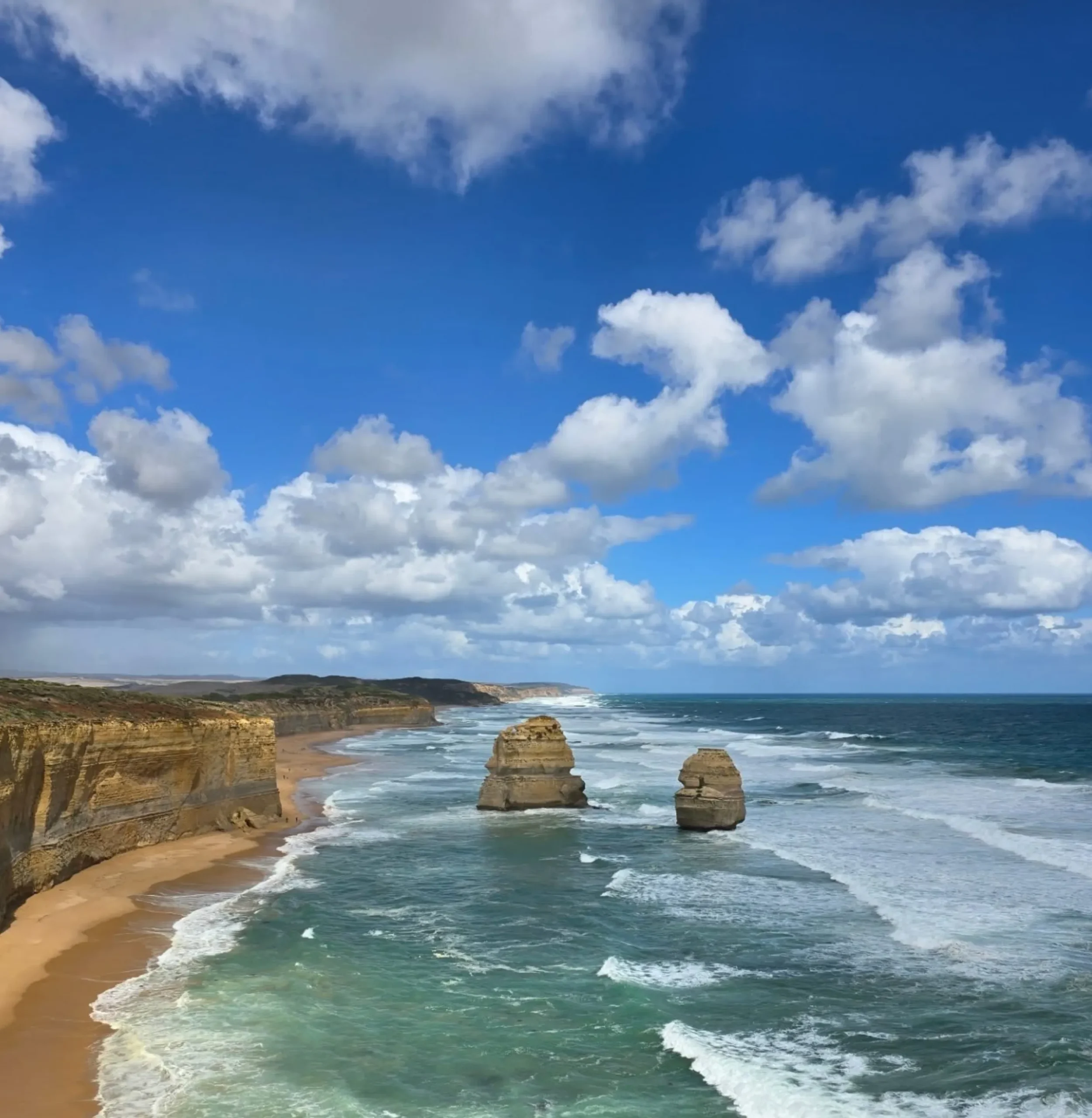
Twelve Apostles Lookout: You get a far greater sense of accomplishment when you make it to this spot on foot – after all that graft.
What You Need To Be On Guard Against
Weather: It’s like the great outdoors is just waiting to do a 180 on you come summertime. Pack rain gear, sun protection – you name it.
Leeches & Mozzies: If it’s been raining in the Otways, you’ll be in for a world of trouble. Gaiters, repellent, you name it – the more the merrier when it comes to keeping them at bay.
Limited Facilities: Some parts of the track have no toilets or water—you get the picture. Plan ahead or be prepared to rough it.
If you’re using Great Ocean Road Tours to get yourself from point A to point B, they’ll often sling you some handy tips, weather updates and the odd lunch stop at the right spot.
Some Hard-Won Tips From The Track
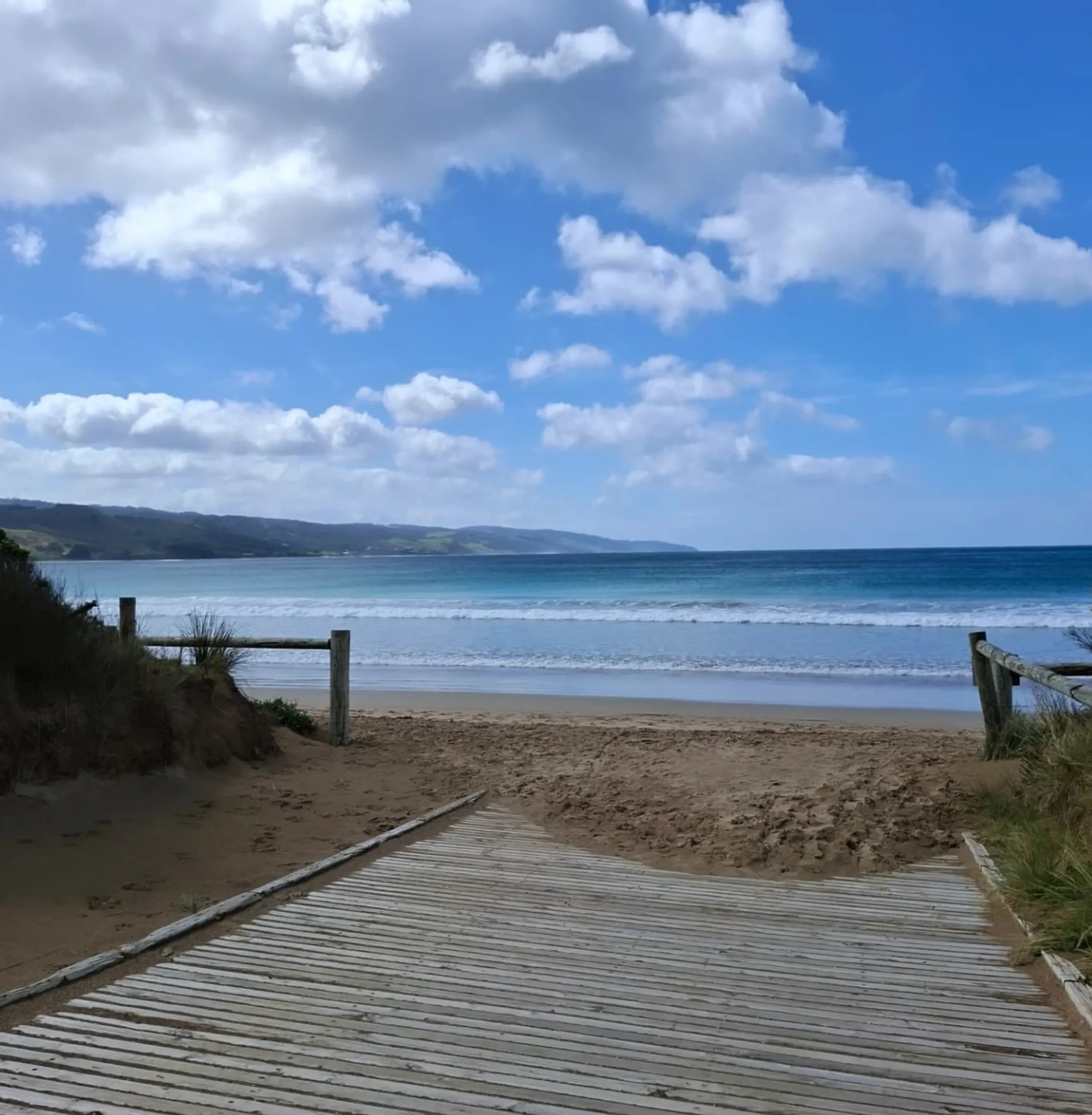
Having spent years guiding tourists across Victoria, I’ve learned a thing or two that’ll save you the odd nasty surprise – and your poor toes.
- Don’t be a muppet: Break in those new boots before you hit the track – trust me, blisters are the last thing you need.
- Keep it light: Every extra kilo after day two will start to feel like a real slog. Pack wisely and keep your pack to a max of 10–12kg.
- Get the right shoes: I mean it, you don’t want to end up with a face full of wet mud. Proper tread makes all the difference.
- Book ahead: Don’t be that person who rocks up to camp and finds out there’s no room – especially in school holidays.
- Spend local: If you can, grab supplies from small towns—Apollo Bay and Lavers Hill—and put the dollars straight into the local economy.
Environmental and Cultural Respect
The Great Ocean Walk passes through lands traditionally cared for by the Gadubanud (King Parrot) people. As visitors, we walk in their Country. Stay on the marked trails, don’t disturb middens or artefacts and respect the cultural site signs.
Wildlife is part of the experience too — from echidnas to sea eagles — so keep a safe distance. And remember, take everything in that you bring out. This trail only stays wild if we leave no trace.
How to Walk and Drive
Not everyone has the time or energy to walk 100+ km, and that’s totally fine. You can combine walking sections with scenic drives, shuttles and even short guided walks.
Option 1: Drive the whole Great Ocean Road but walk one section a day (say Apollo Bay to Shelly Beach or Gibson Steps to the Apostles).
Option 2: Use shuttle services to connect the trailheads and skip the inland sections.
Option 3: Join a small group walking tour — we run several at Get Lost Travel Group that blend comfort, local stories and solid walking days without the hassle of logistics.
Many people do a Great Ocean Road Tour in Melbourne and then walk sections with Great Ocean Road Tours so they can see the highlights without missing those quiet off-road moments.
Final Thoughts: On Foot Along the Great Ocean Road
If you’re wondering whether you can walk the whole of the Great Ocean Road, the answer is yes, provided you’re up for the challenge. The Great Ocean Walk may not follow every single curve of the highway, but what it does give you is solitude, the sea spray on your face and that slow build-up of satisfaction that comes from working hard for every view that catches your eye.
For me, what makes this experience so special isn’t just reaching the iconic Apostles—it’s the rhythm of your footsteps on the sand, the salty air filling your lungs, and the sense of having discovered the secret to seeing the coastline as it was meant to be seen. If you’re up for giving it a go, do your research, plan your itinerary and don’t forget the bug spray.
Got a question or need a bit of help planning your Great Ocean Walk? Drop me a message – or check out our guided tours of the Otways and the Shipwreck Coast. We’ll take care of the logistics such as shuttle services, accommodation and transfers, and you can focus on what really matters – getting out there and enjoying the trip.
FAQ
How long does it take to walk from Apollo Bay to the Twelve Apostles?
8 days is the usual – go at a comfortable pace and you can cover 12-15 kilometres a day. Some fit types can knock it over in 6 days, but to be honest, it’s worth taking your time to soak up the views.
Can I walk the entire 243km of the Great Ocean Road?
Not along the bitumen – that would be a bit dodgy and not exactly a lot of fun. The Great Ocean Walk sticks to the coastal bits that are actually safe to walk.
Are shuttle services available to get me along the trail?
Yep, local operators offer daily transfers between trailheads, campsites and towns – lifesavers for anyone doing a multi-day hike.
What’s the best time of year to tackle this hike?
Autumn (March to May) and spring (September to November) are the best. That way, you get mild weather and fewer people around.
Do I need a permit to camp anywhere, or can I just pitch a tent?
You need to book an official campsite with Parks Victoria. No wild camping allowed on the Great Ocean Walk – it’s all about looking after the environment.