
Contents
- 1 The Best Photography Spots Around Uluru
- 1.1 Talinguru Nyakunytjaku Viewing Area
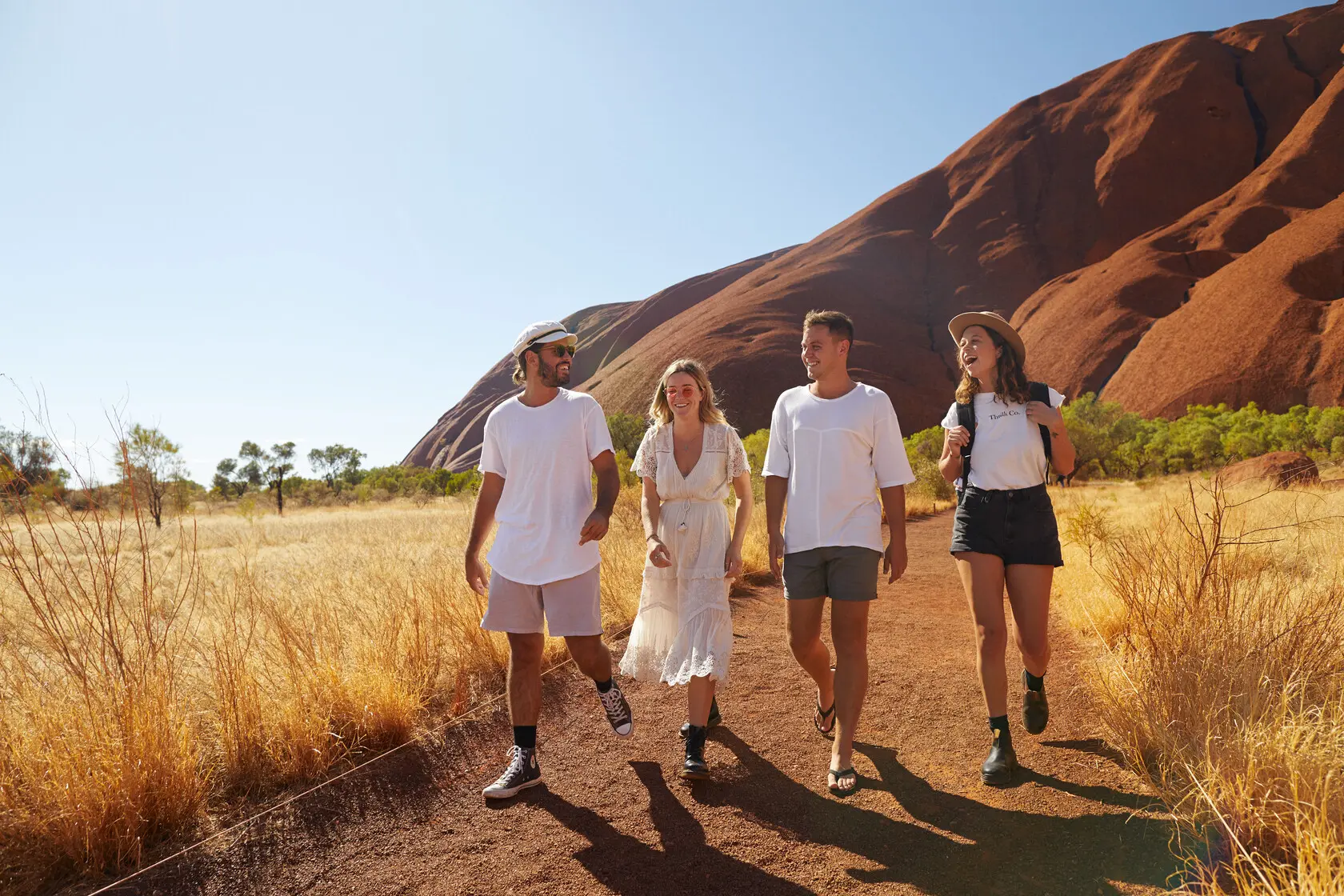
- 1.2 Mala Walk
- 1.3 Kata Tjuta Dune Viewing Area
- 1.4 Field of Light
- 1.5 Mutitjulu Waterhole
- 1.6 Sunrise and Sunset Viewing Platforms
- 1.7 Scenic Flights and Helicopter Rides
- 1.8 Kantju Gorge
- 1.9 Kings Canyon and Watarrka National Park
- 1.10 MacDonnell Ranges
- 1.11 FAQ
- 1.11.1 What’s the best time of day to photograph Uluru and Kata Tjuta?
- 1.11.2 Do I need a permit for commercial photography?
- 1.11.3 Can I use a drone to get aerial footage of Uluru and Kata Tjuta?
- 1.11.4 What should you bring for landscape photography at Uluru and Kata Tjuta?
- 1.11.5 Are there any photography restrictions in Uluru-Kata Tjuta National Park?
The Best Photography Spots Around Uluru
Uluru (Ayers Rock) is not just one of Australia’s most famous landmarks but also a very spiritual and cultural place. The big rock sits proudly in the Uluru-Kata Tjuta National Park, a UNESCO World Heritage site. This area and Kata Tjuta (the Olgas) is a photographer’s paradise, whether you are an amateur or a professional. The combination of natural beauty, cultural history, and changing light throughout the day makes it a must-see for any photographer who wants to capture the heart of the Red Centre.
Contents
Talinguru Nyakunytjaku Viewing Area
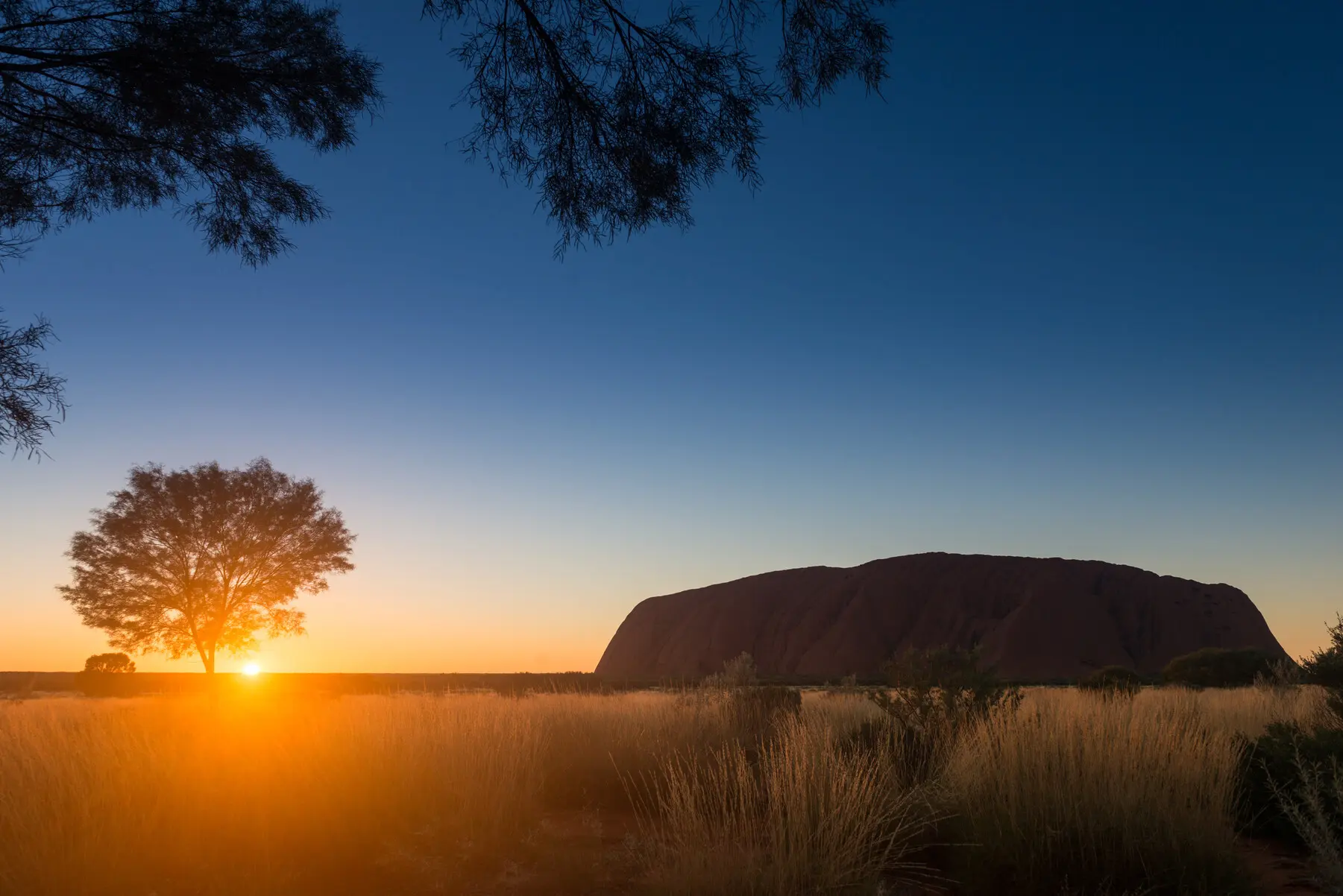
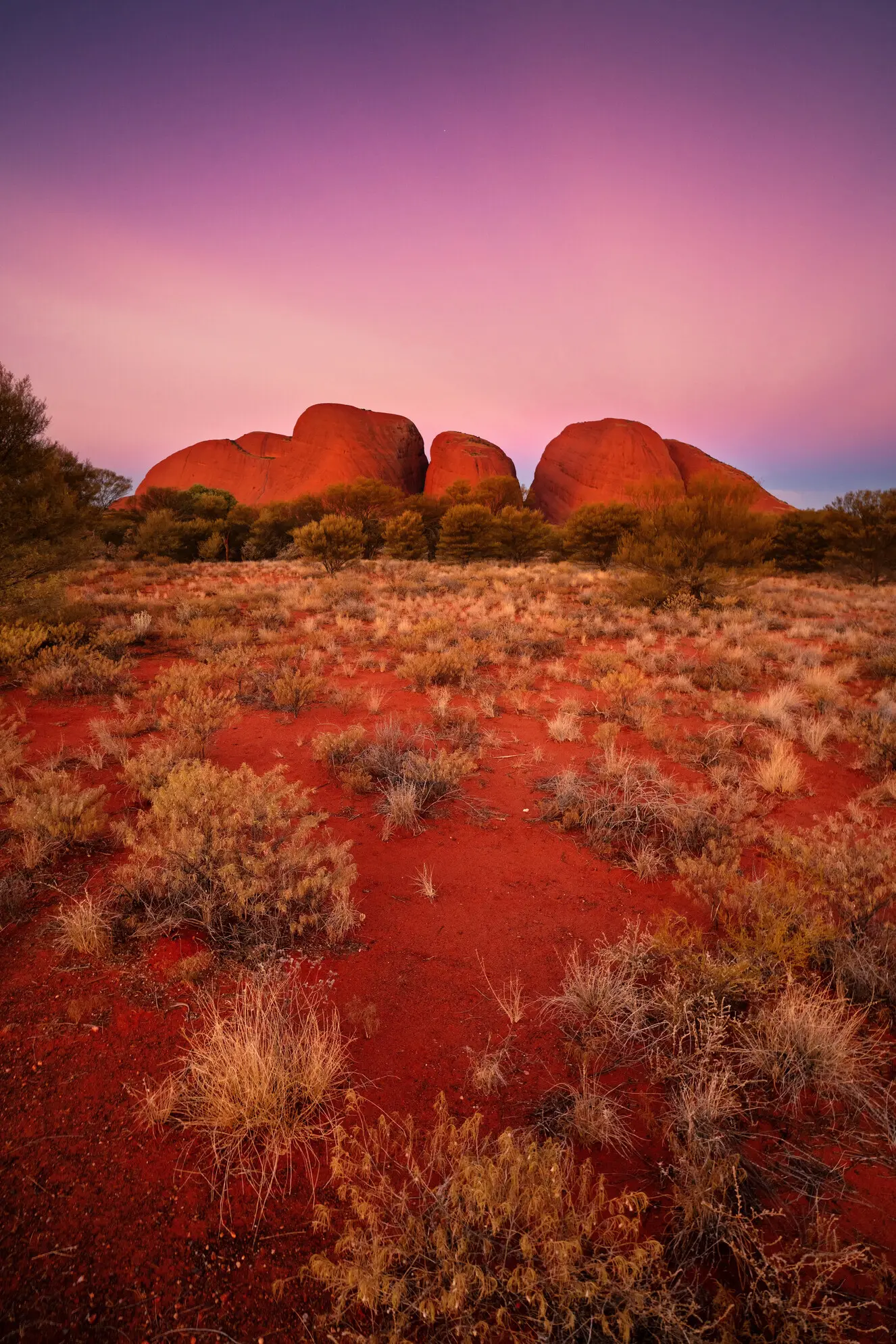
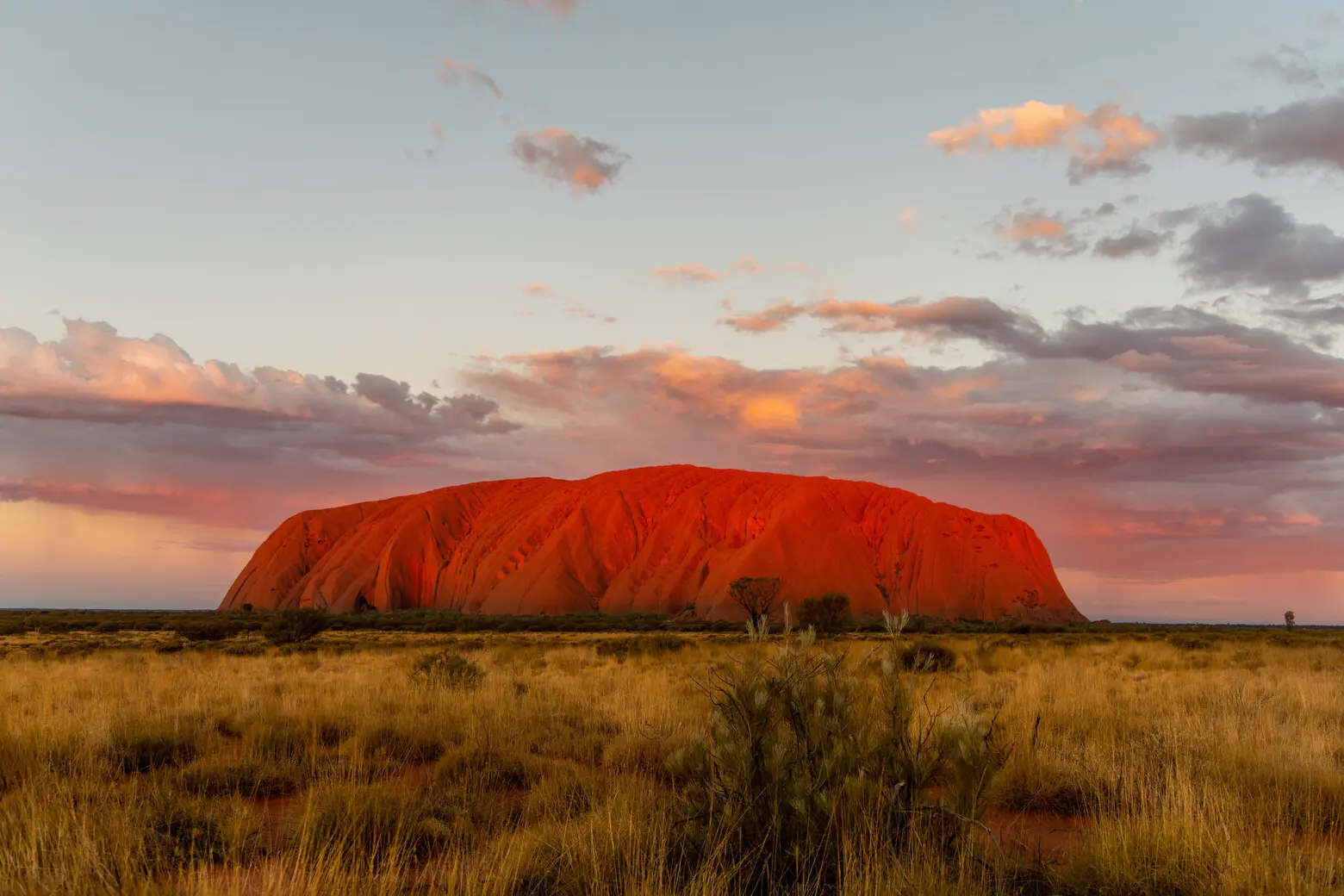
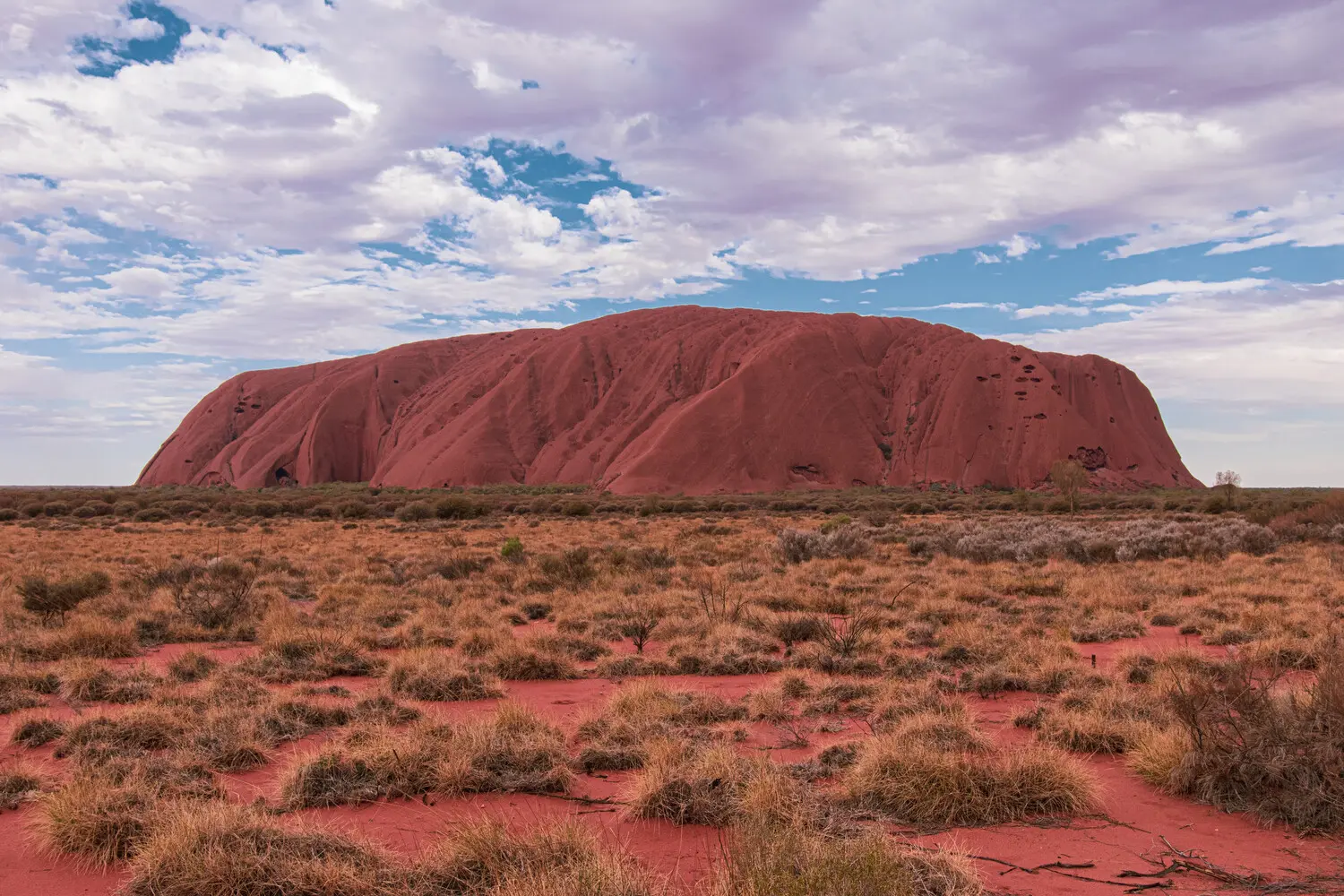
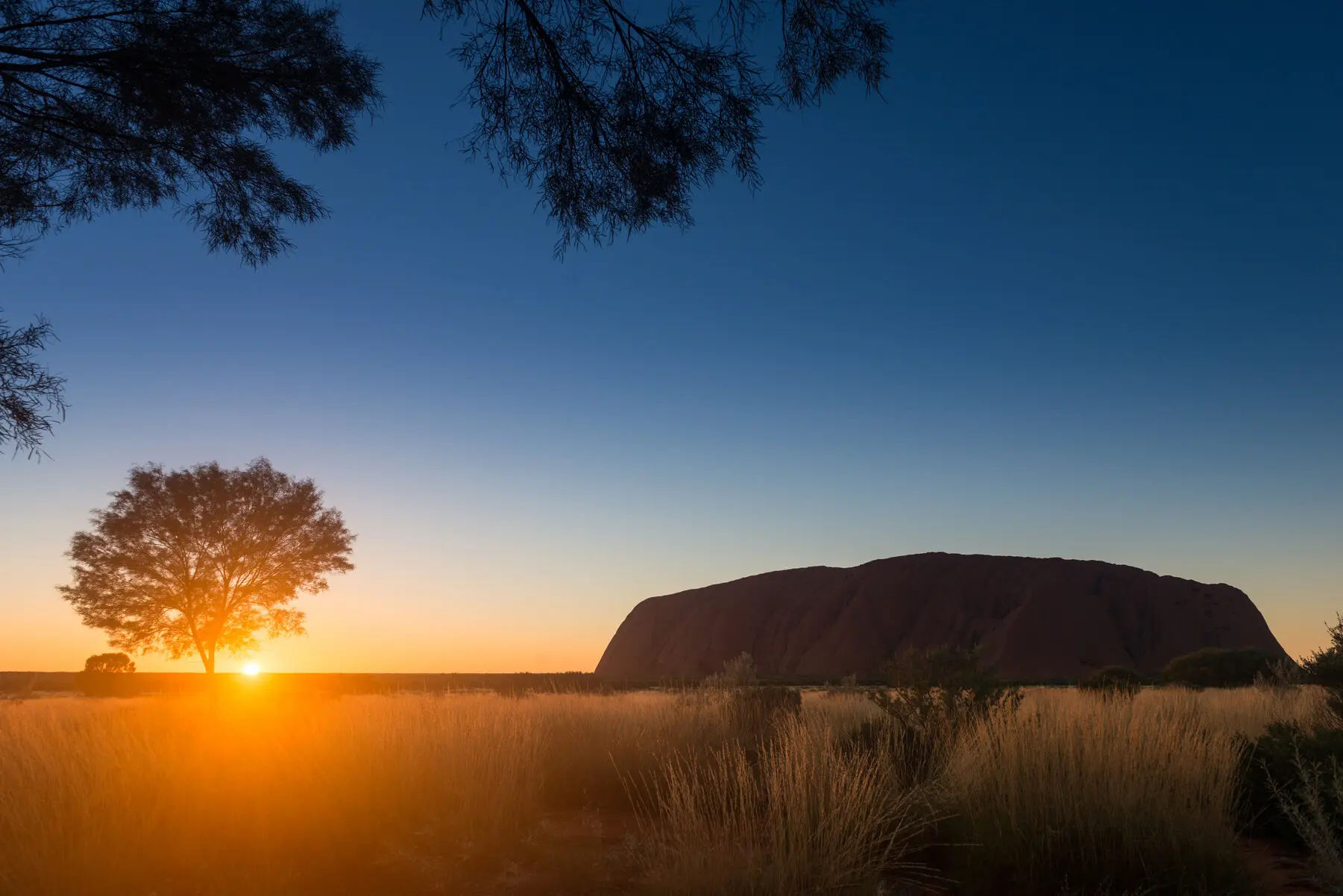
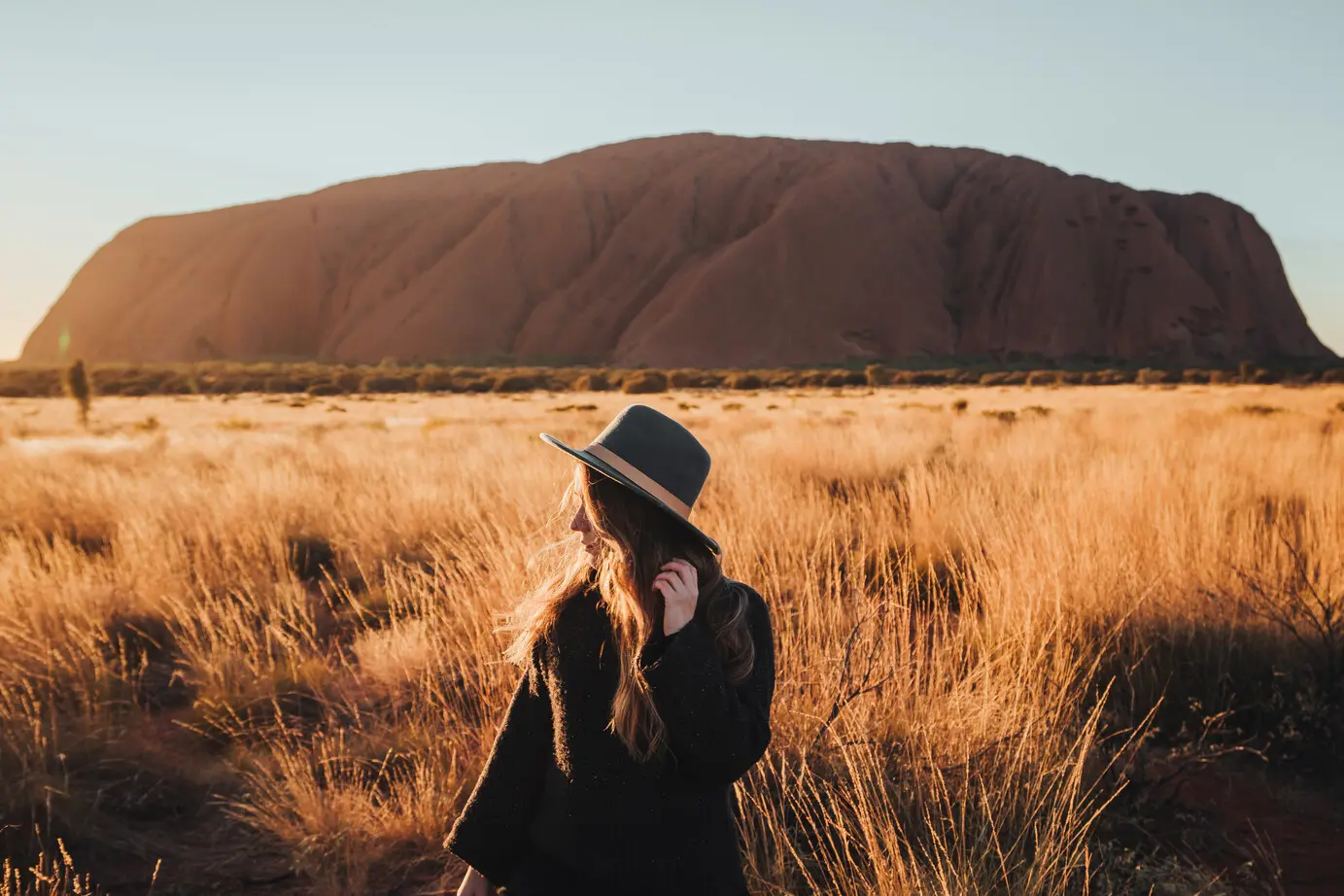
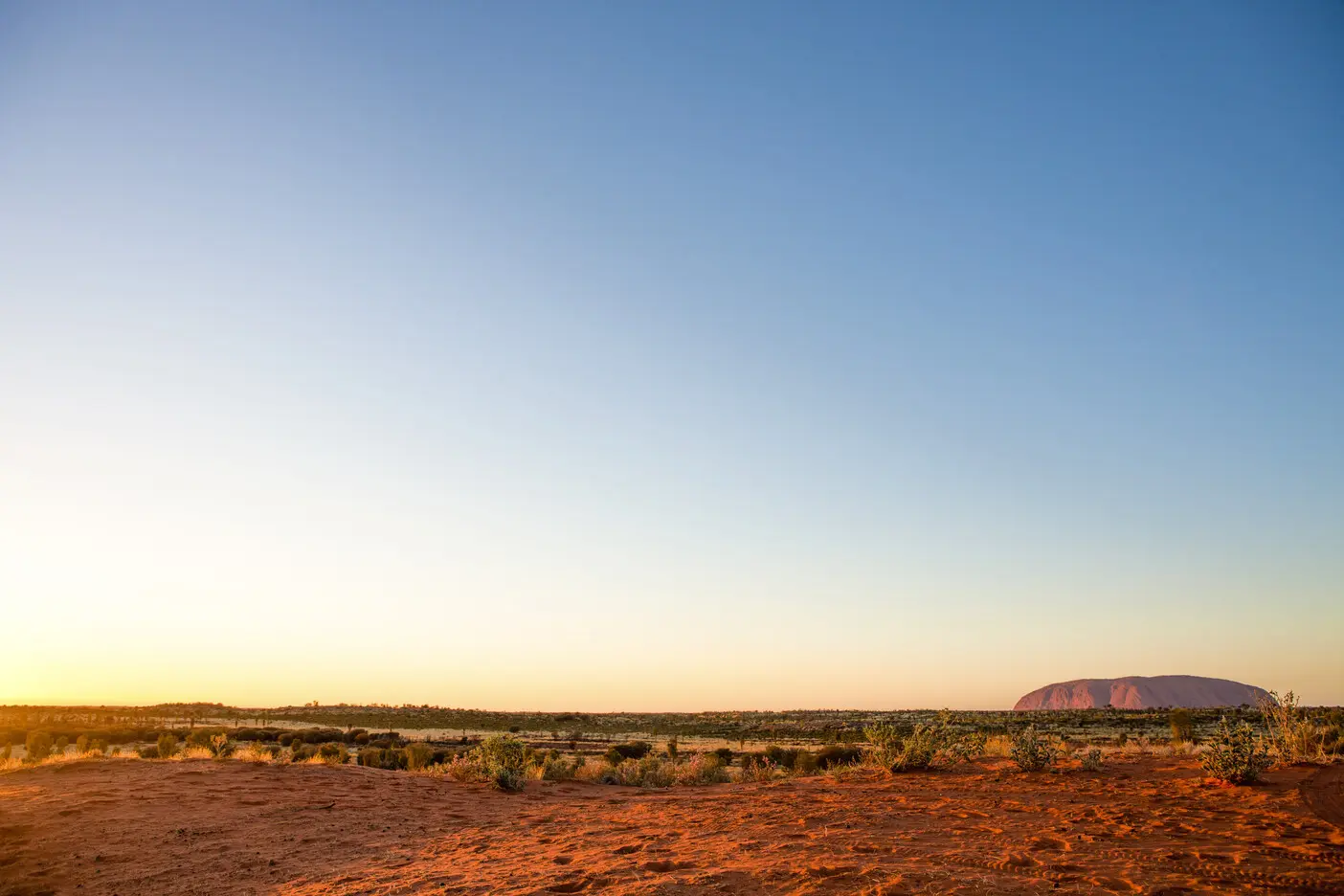
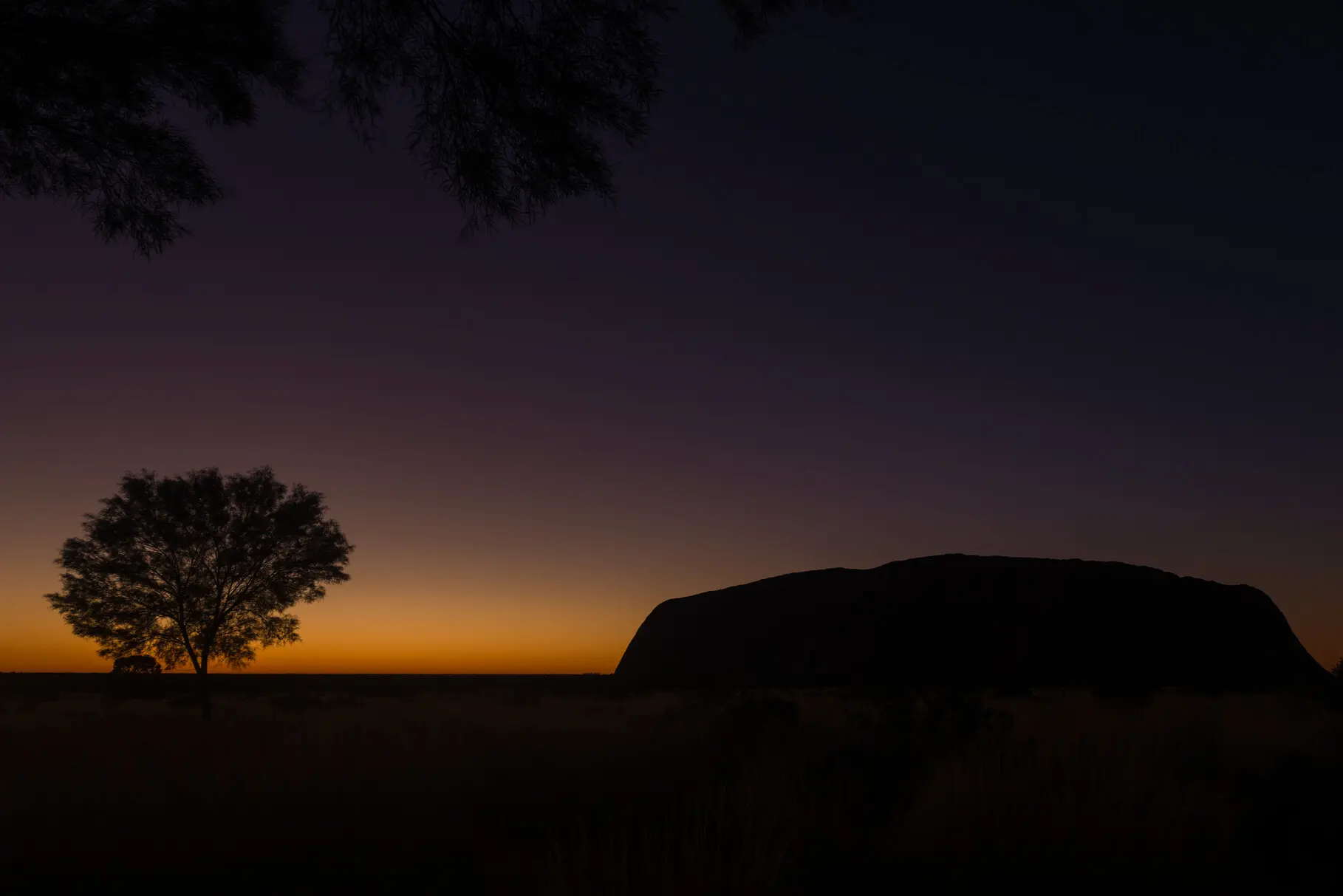
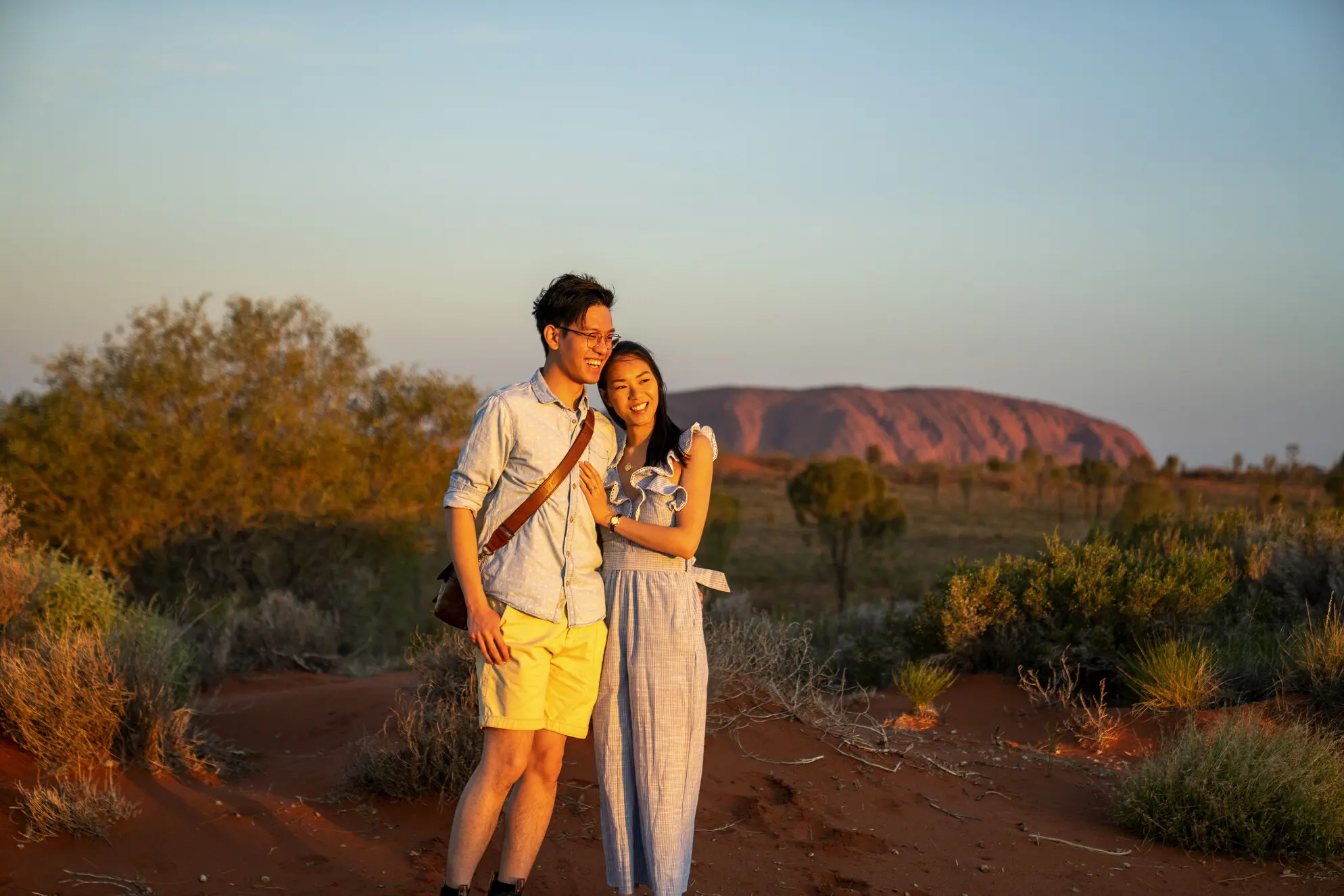
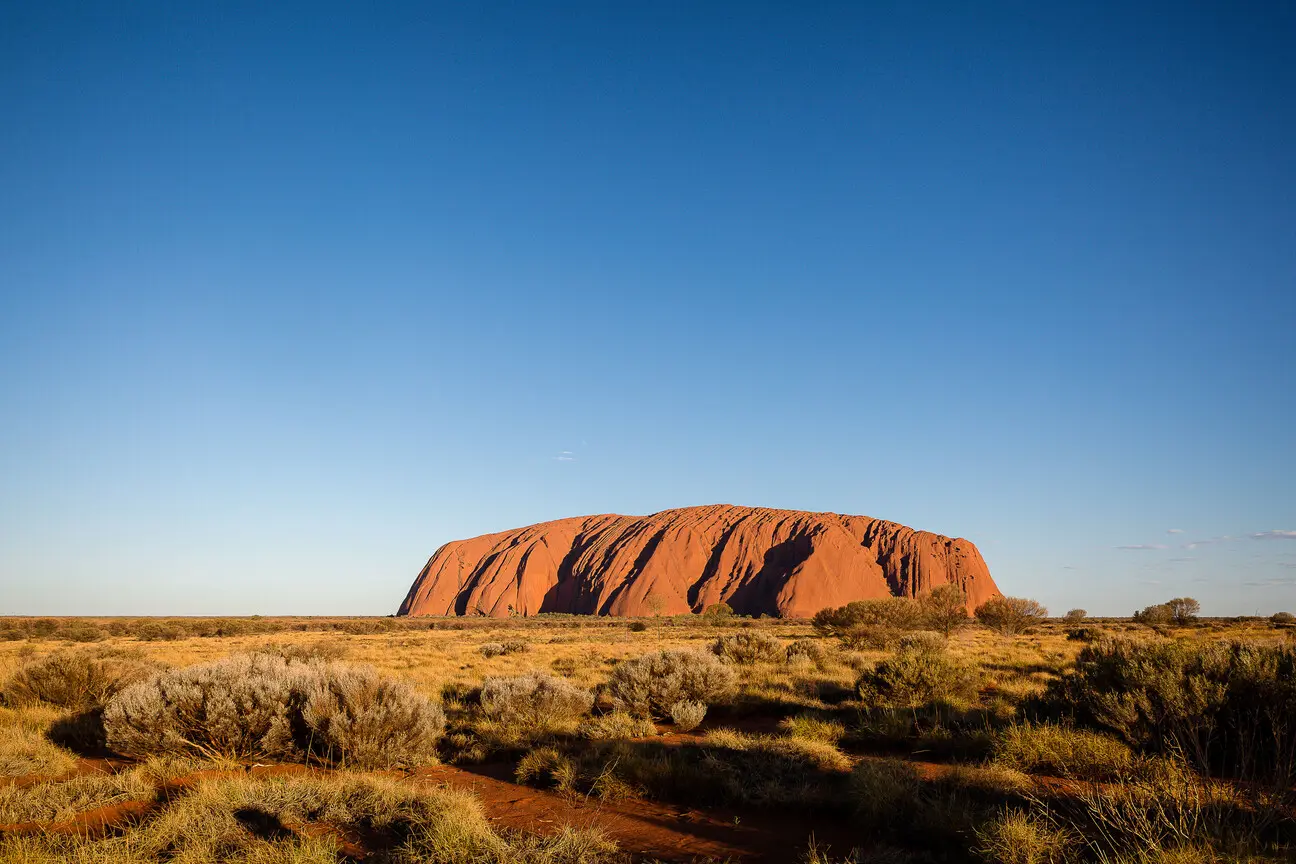
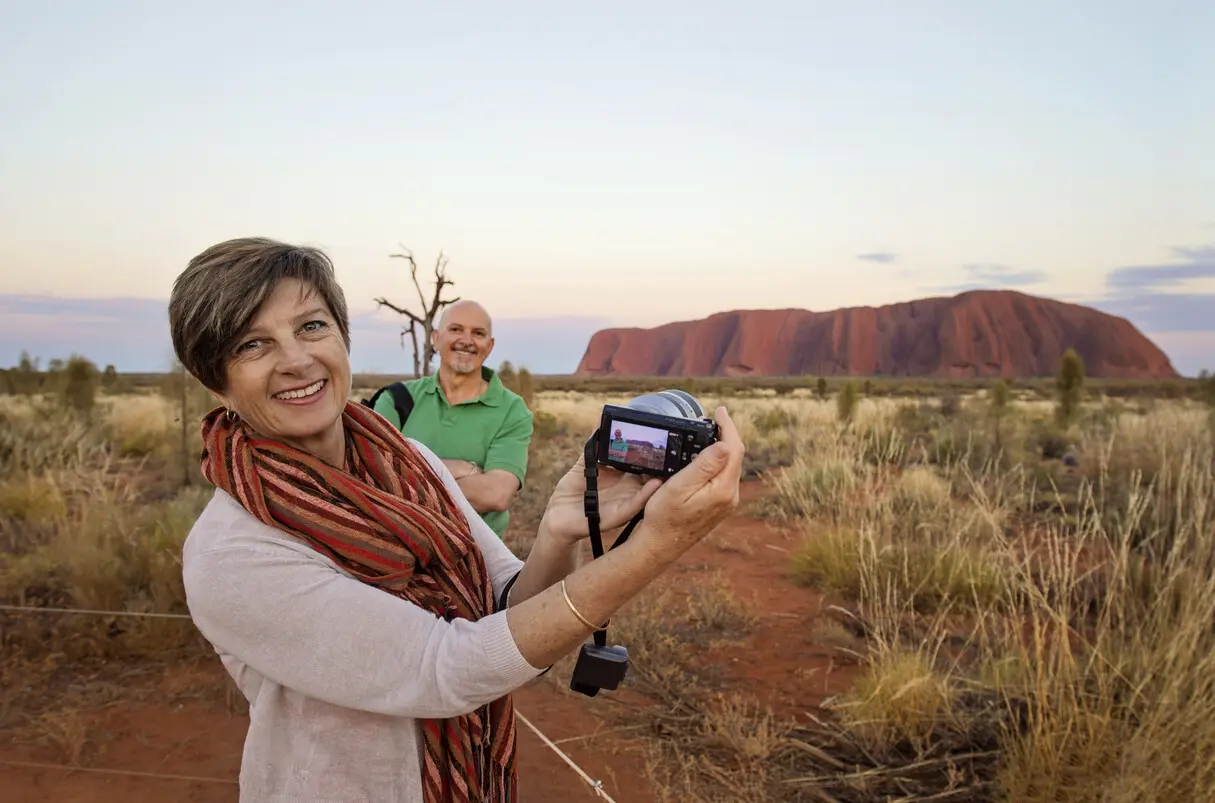
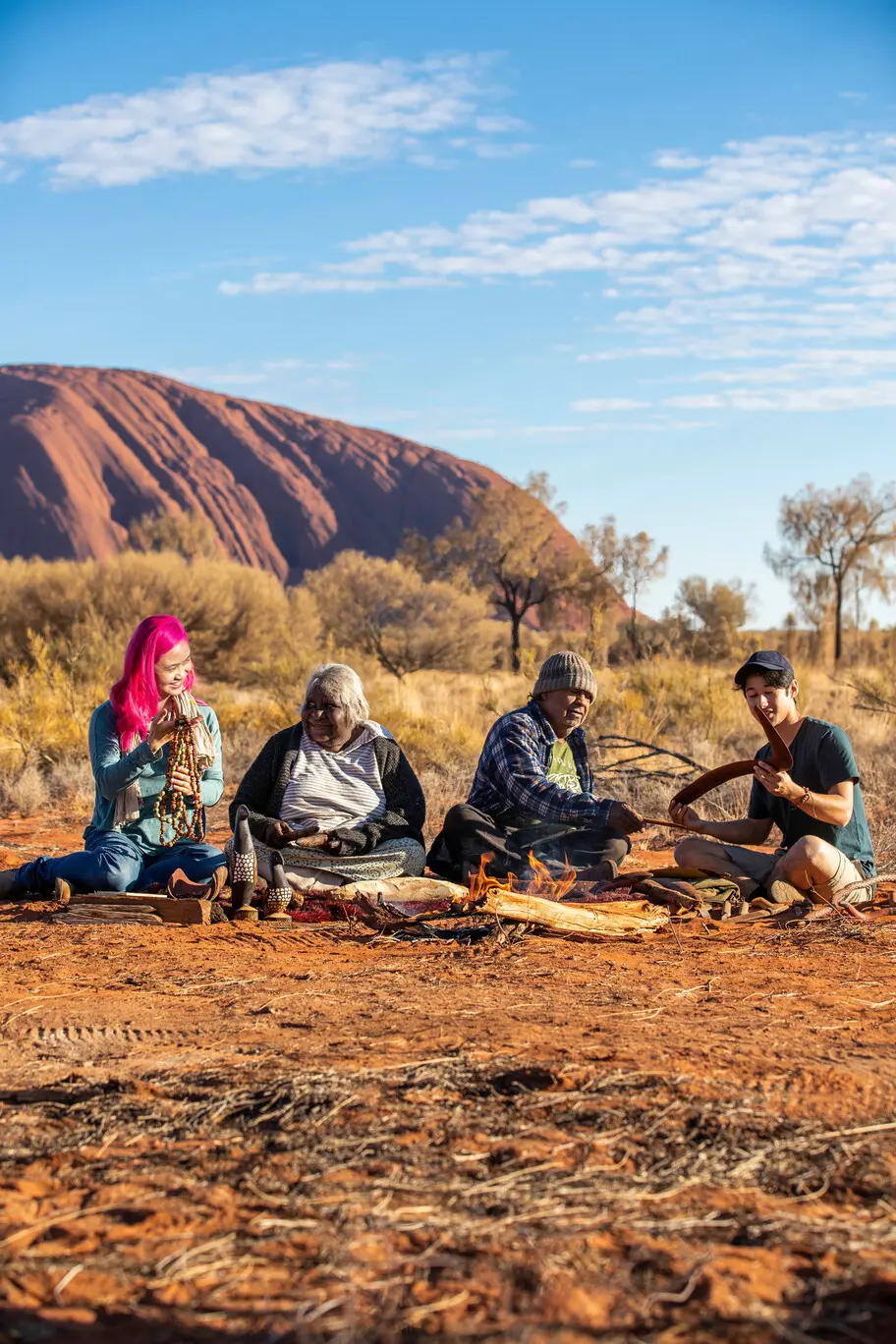
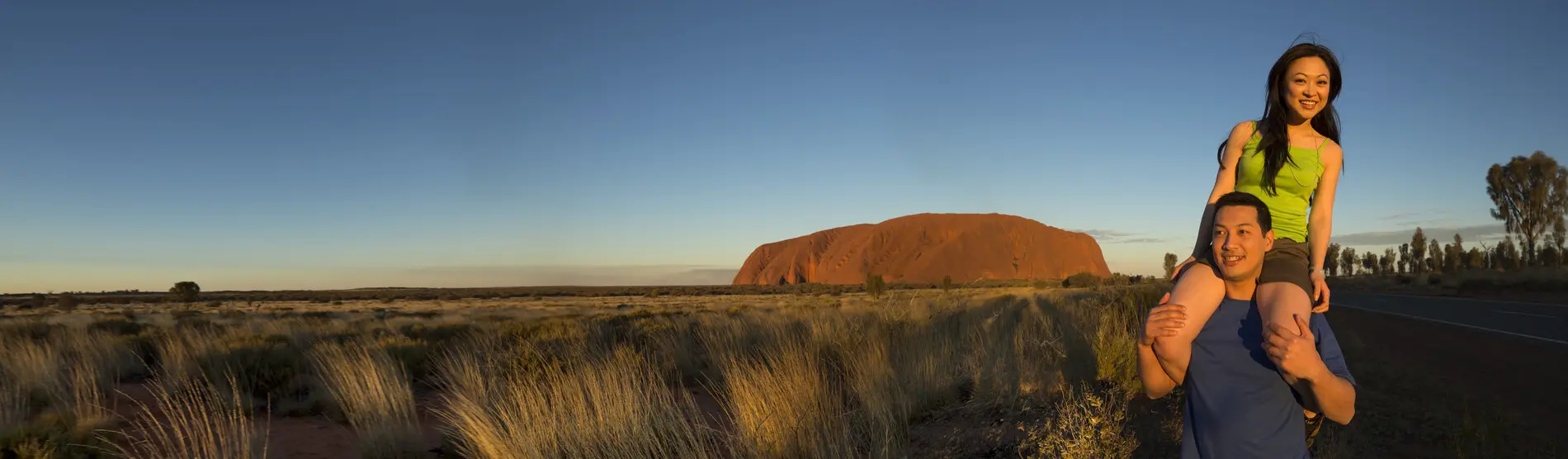
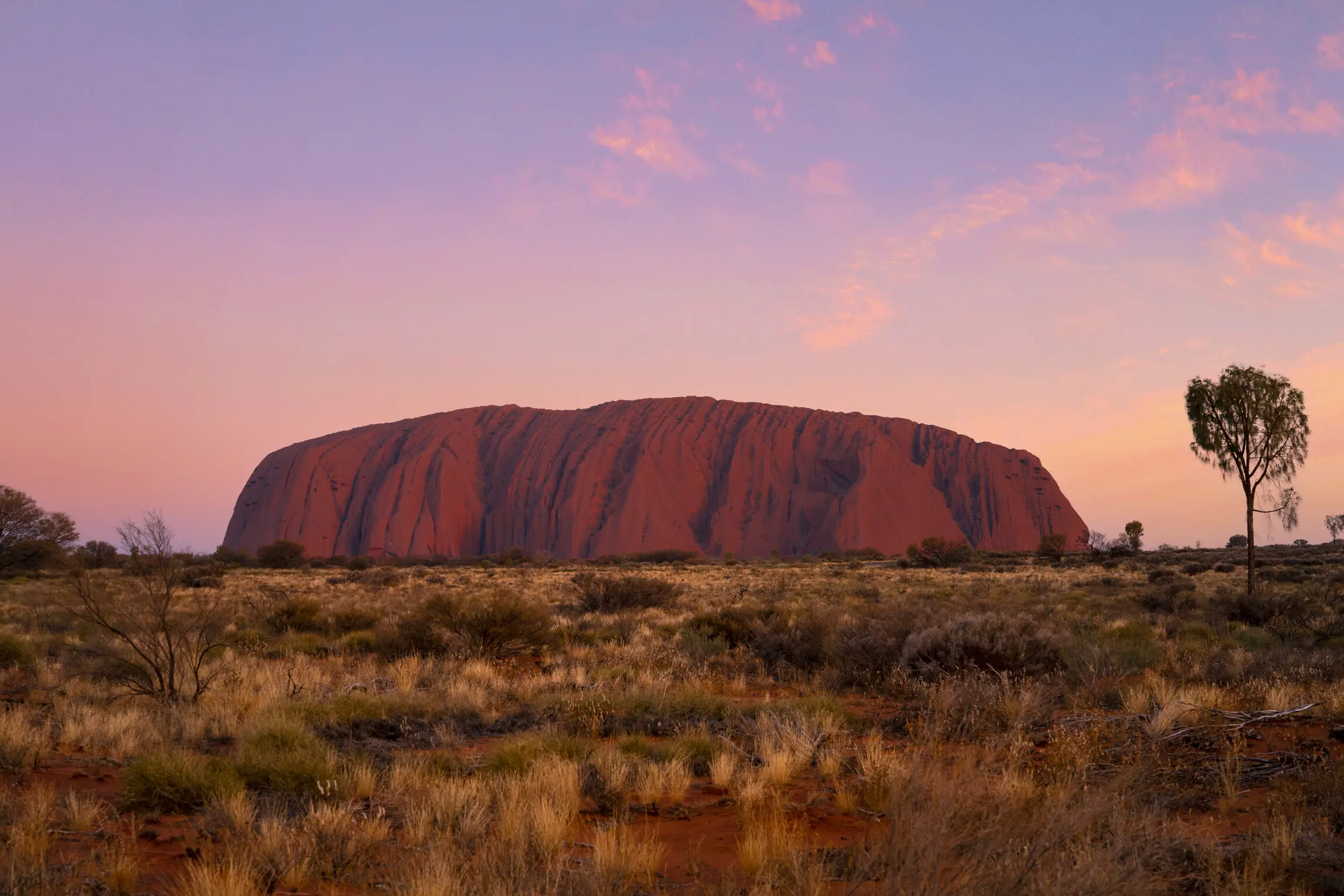
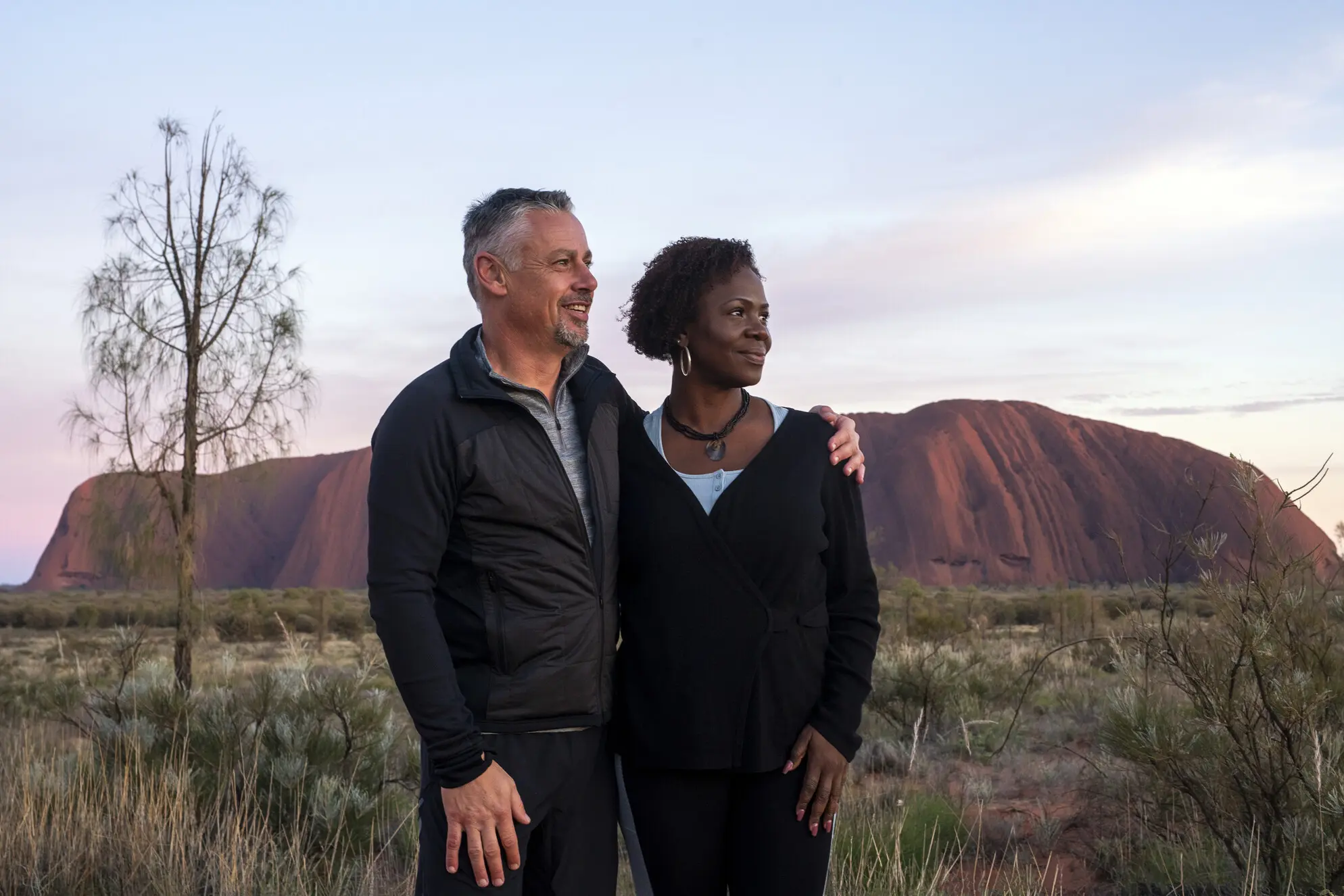
The Talinguru Nyakunytjaku viewing area is the best spot for sunrise and sunset viewing of Uluru and Kata Tjuta. The area is positioned to give an unobstructed view of the big rocks, which makes it perfect for landscape photography. The time of day is important here; the early morning light is soft, and the evening light brings out the red tones of Uluru and Kata Tjuta. If you want to get sharp images with great light, get here an hour before sunset. This is a must-see for anyone wanting to photograph the park’s most famous features in the best light.
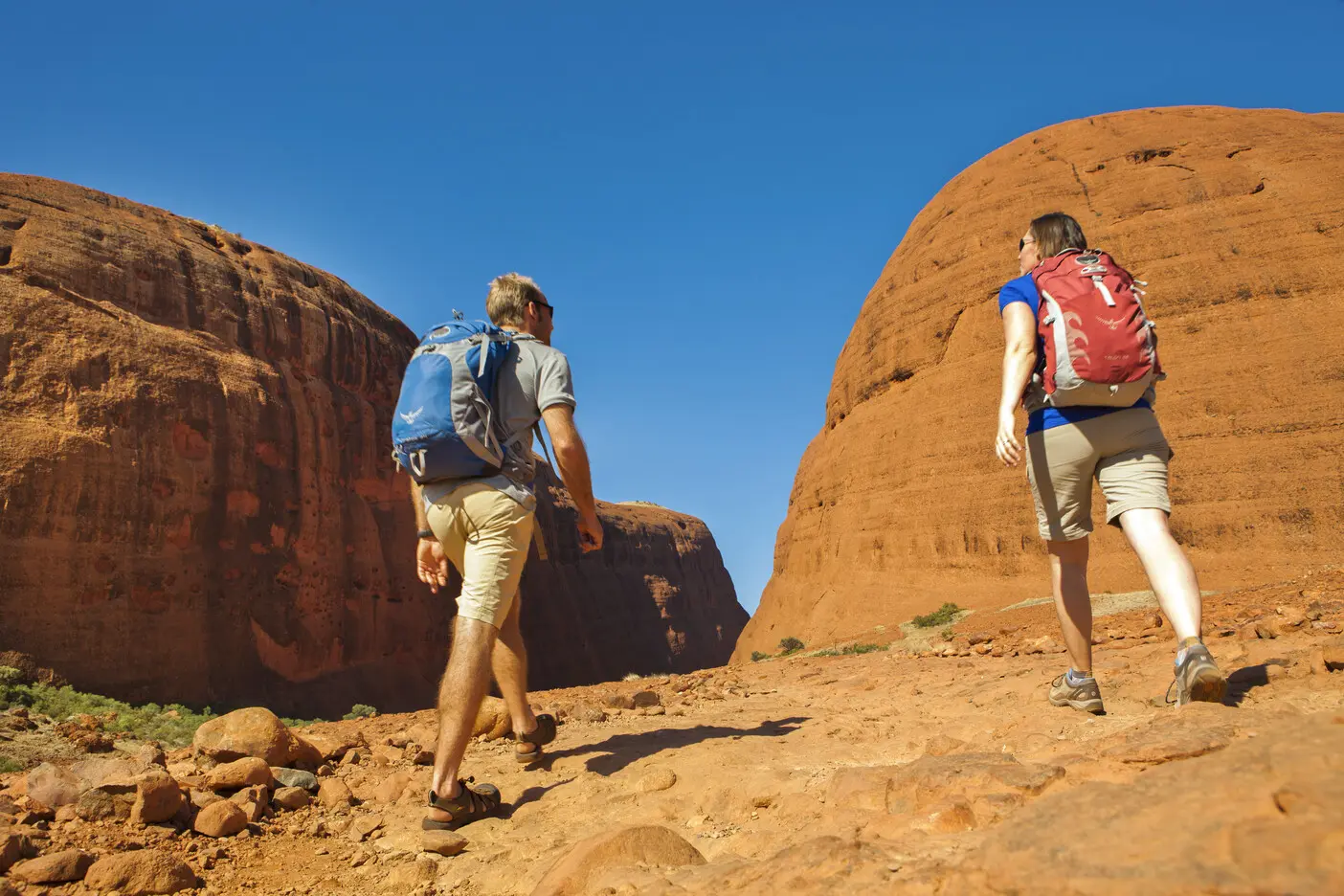




Mala Walk
Kata Tjuta Dune Viewing Area
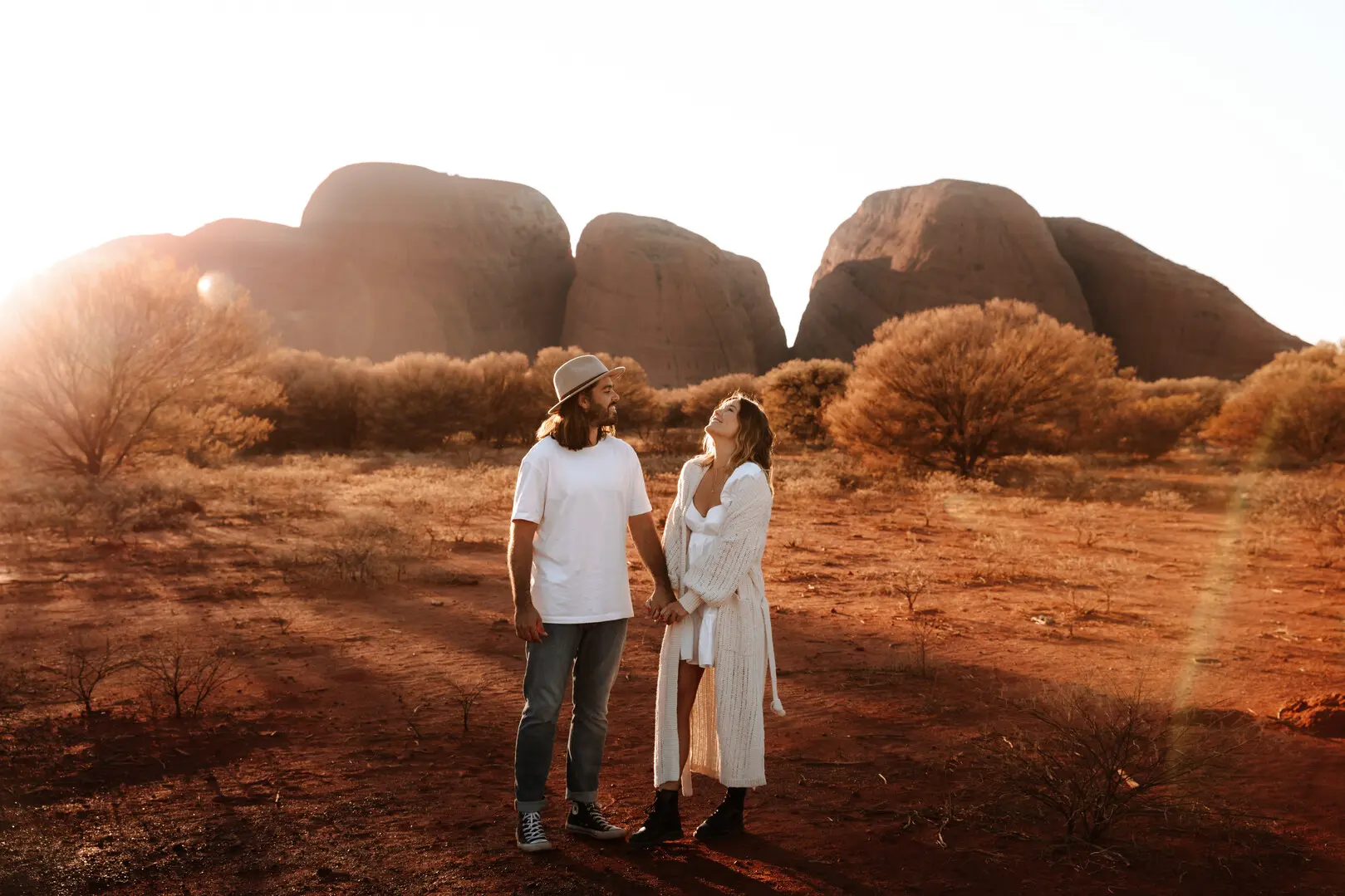
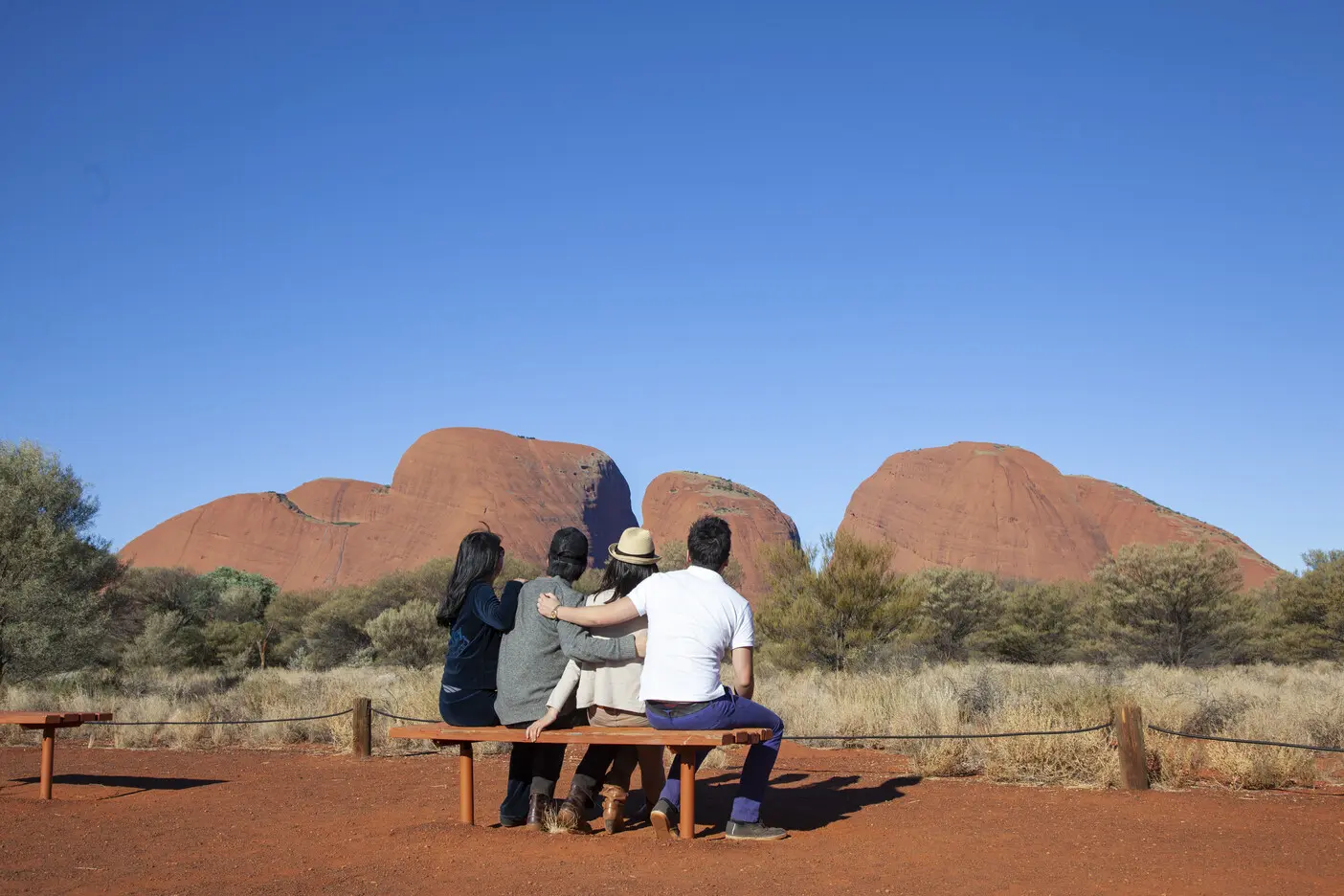
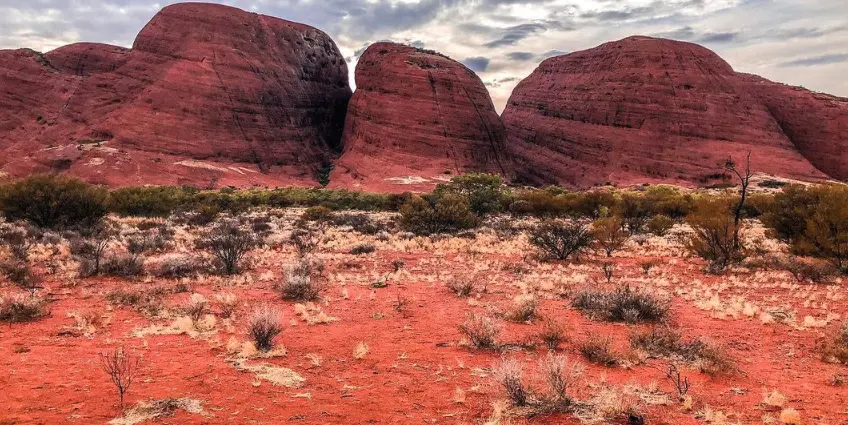
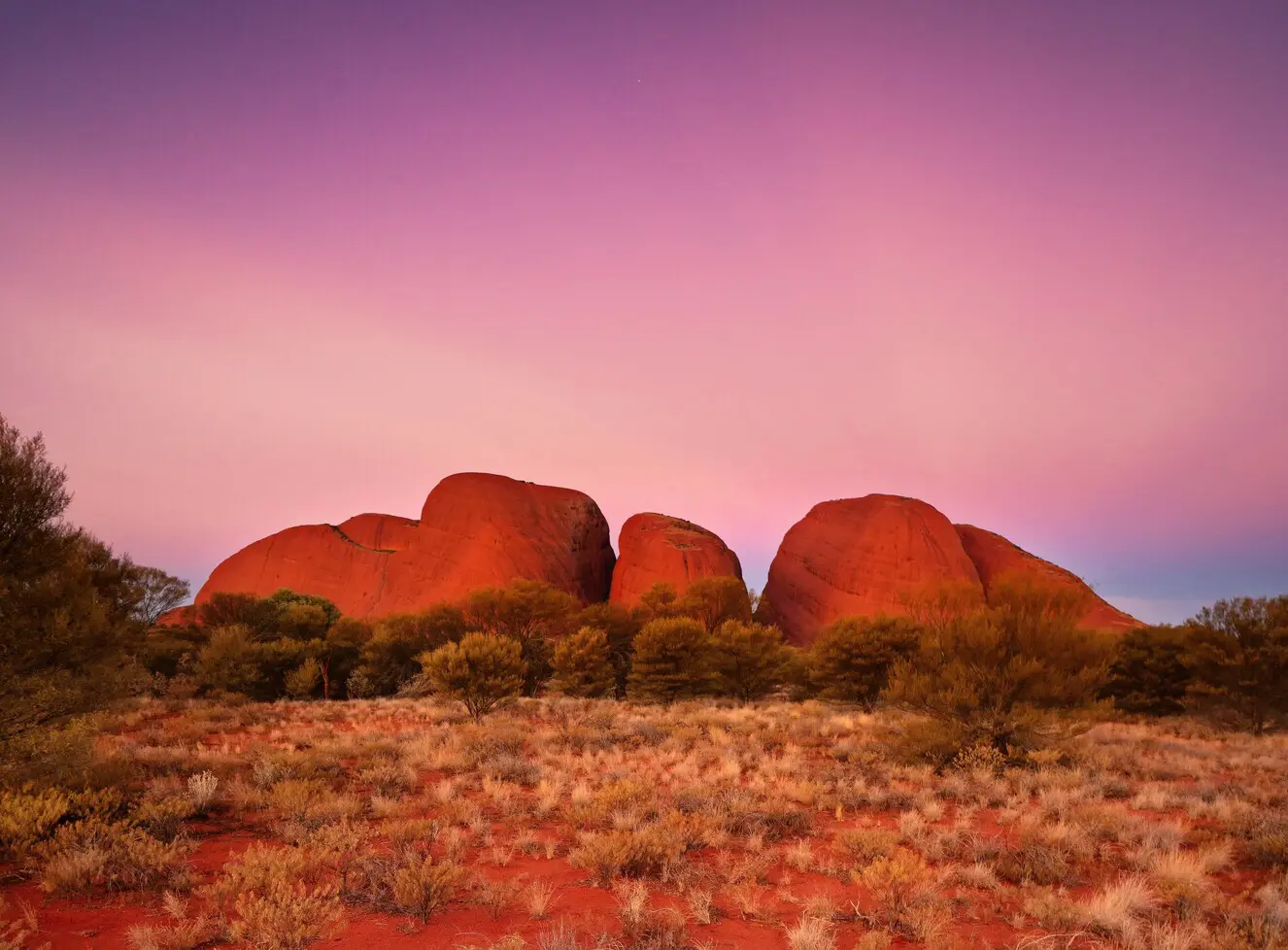
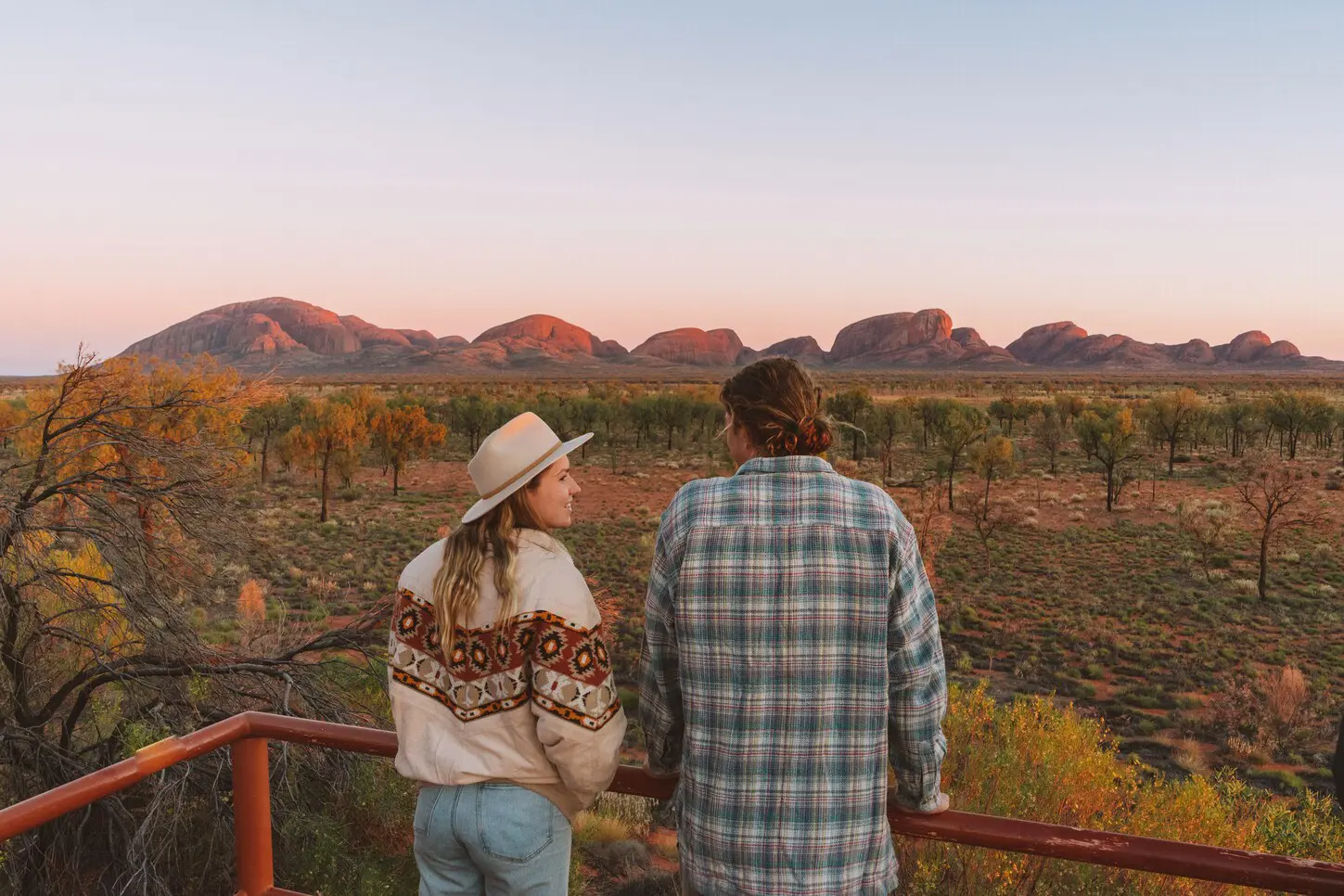
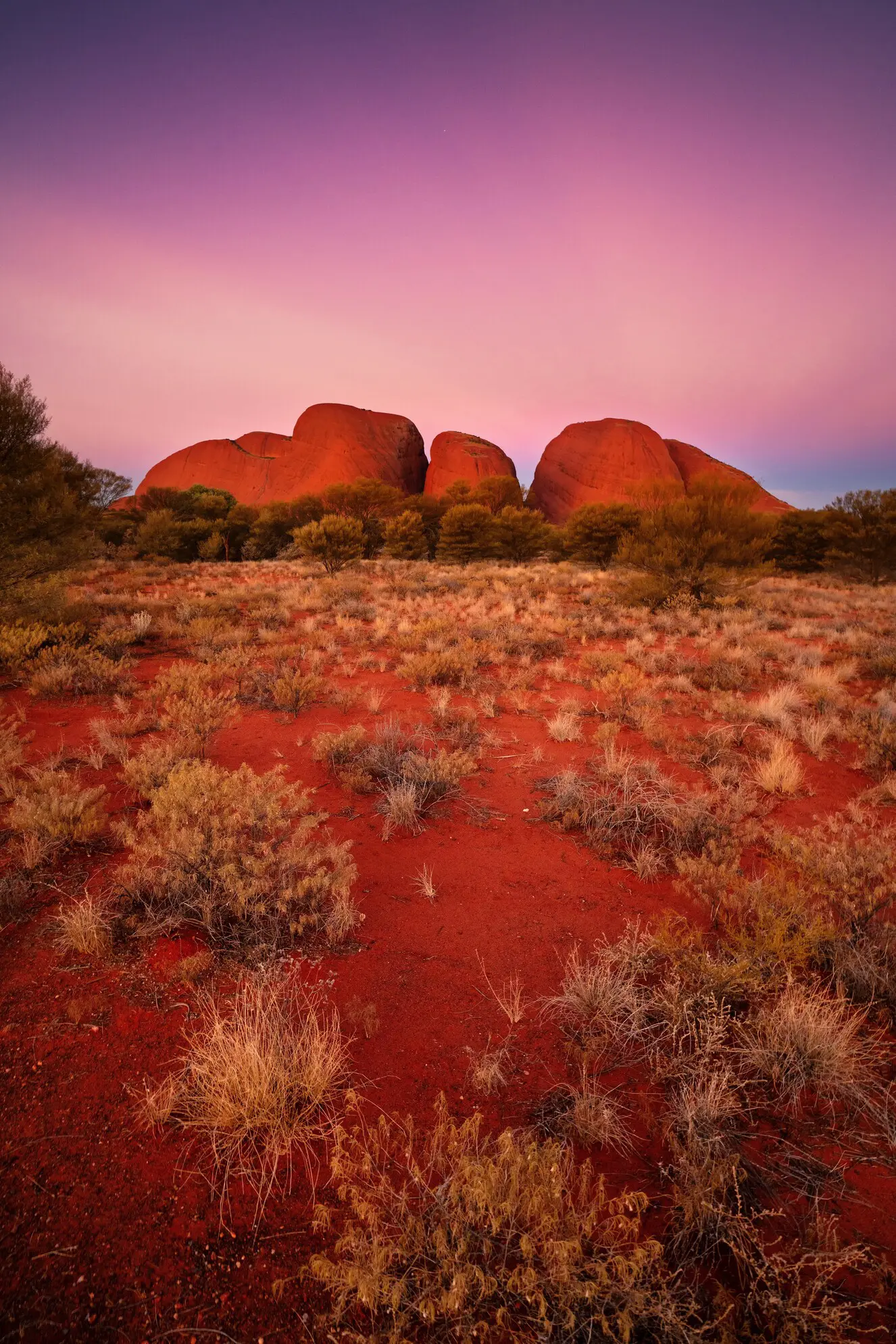
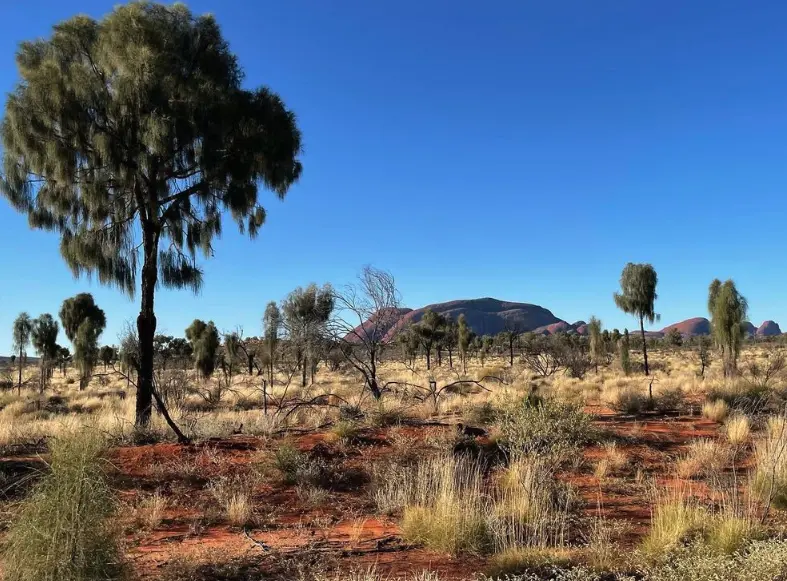
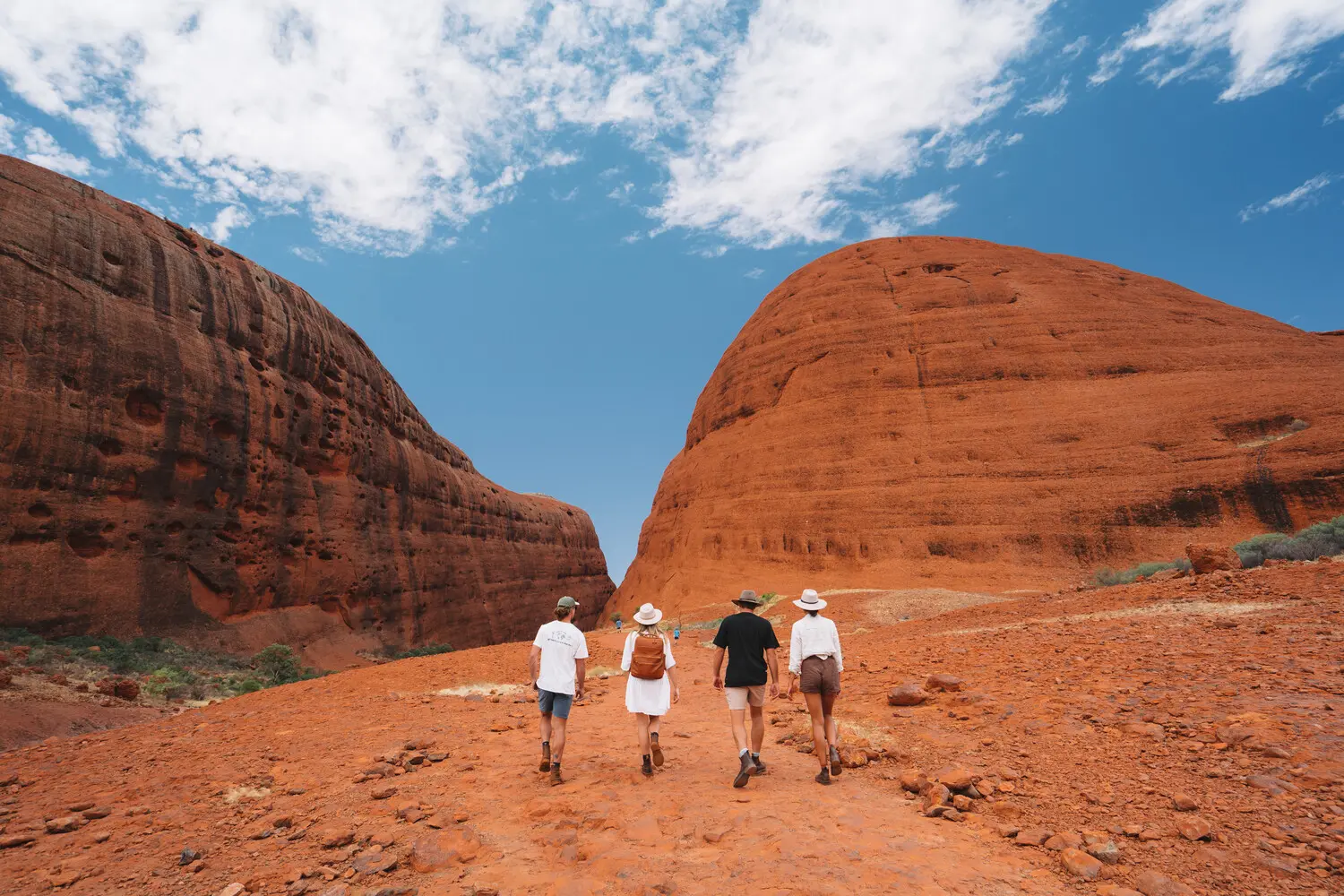
Kata Tjuta (the Olgas) is a series of 36 rock domes in Tjuta National Park, an hour’s drive from Uluru. The Kata Tjuta Dune Viewing Area is the perfect spot to capture the ruggedness of the rocks. The best time for photography here is sunrise and sunset when the ambient light gives great contrast between the red rocks and the desert landscape. This spot is popular with outdoor and travel photographers who love the textures and forms of the desert. If you want to get perfect reflections, the cooler winter months are best, as the light is soft and more diffused.
Field of Light
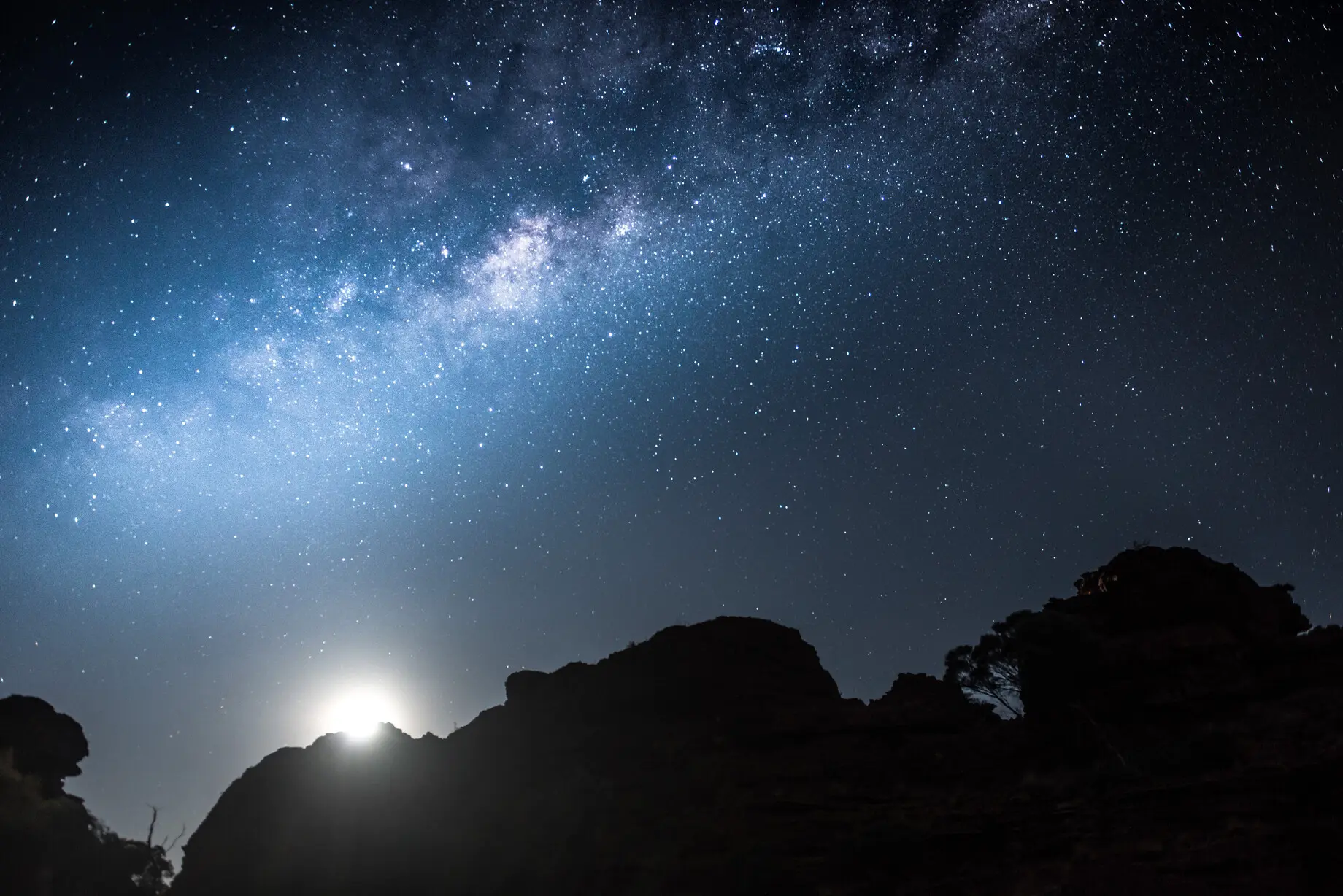
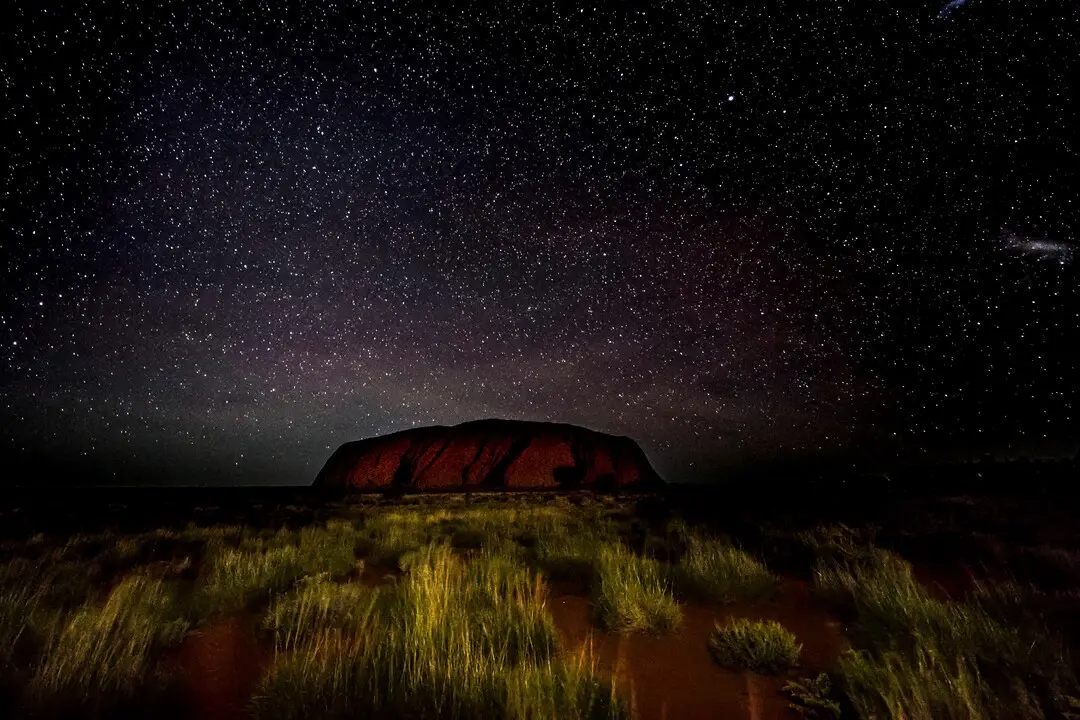
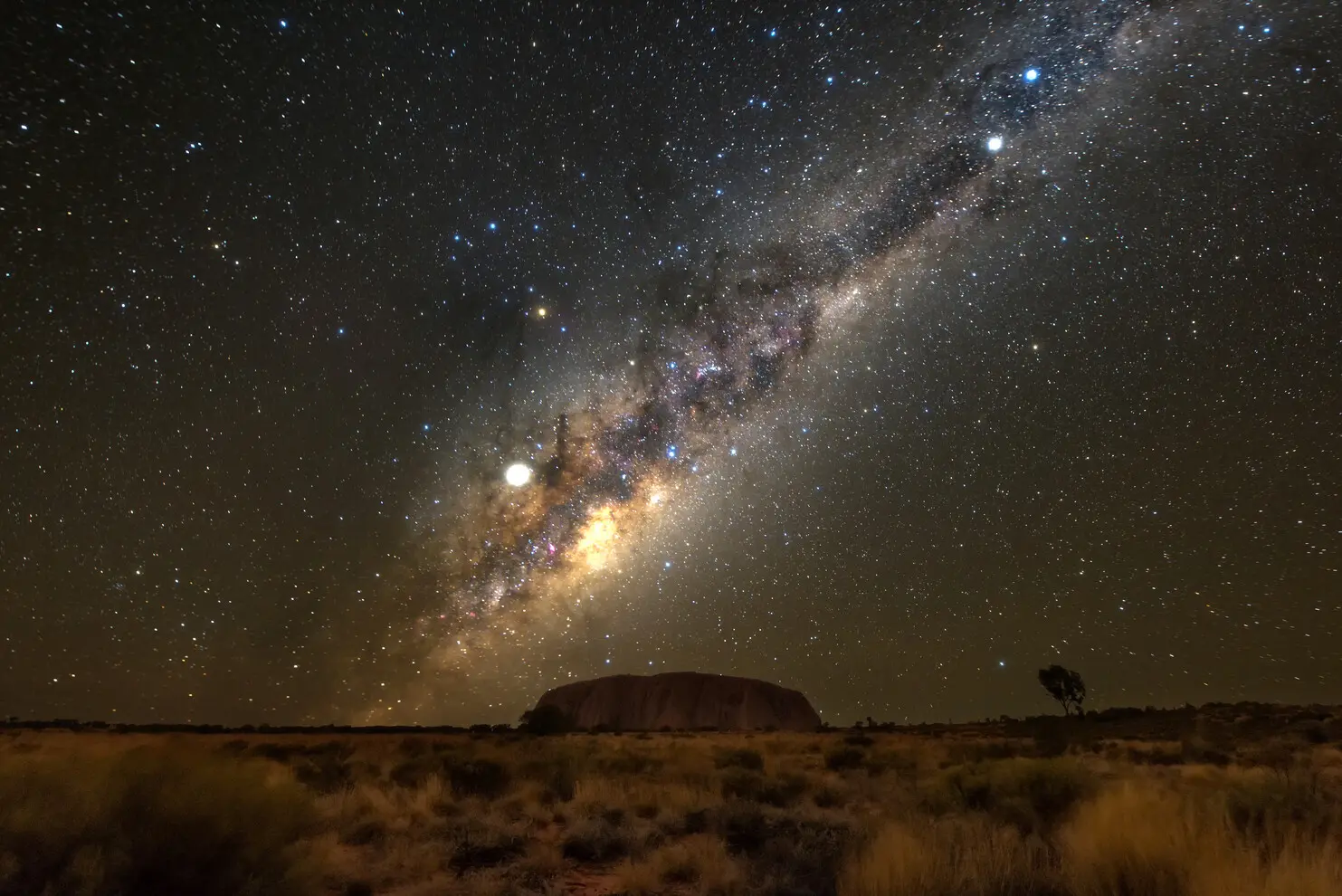
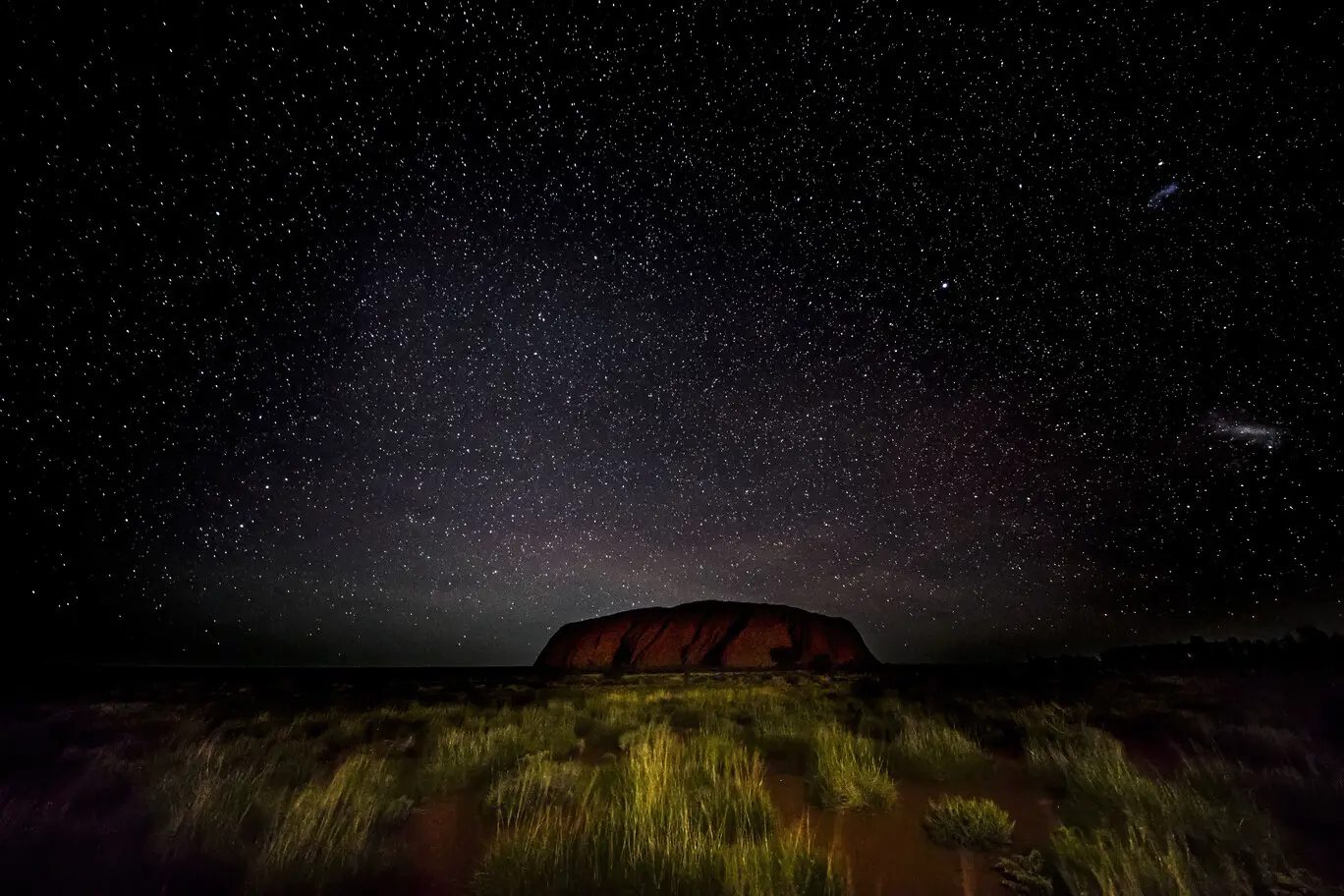
Bruce Munro’s Field of Light near Ayers Rock Resort turns the desert into a magical wonderland at night. Thousands of lights on the desert floor create a photography dream come true. To capture the Field of Light, you need to know your shutter speed and light manipulation, as the play of light against the dark desert offers endless opportunities for creative shots. It’s busiest during summer and school holidays so if you can visit during the week you’ll have a quieter experience and more time to experiment with different techniques.
Mutitjulu Waterhole
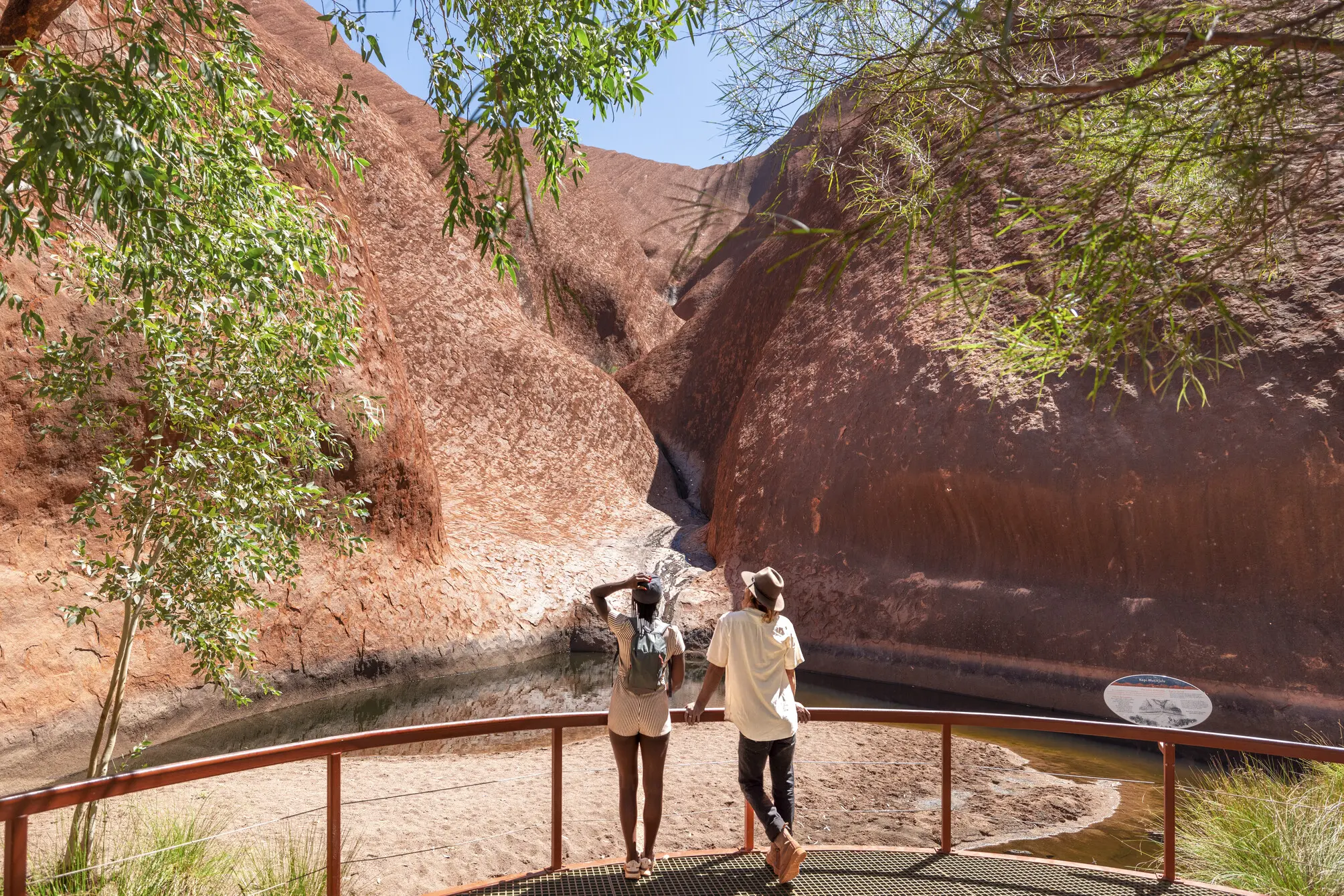
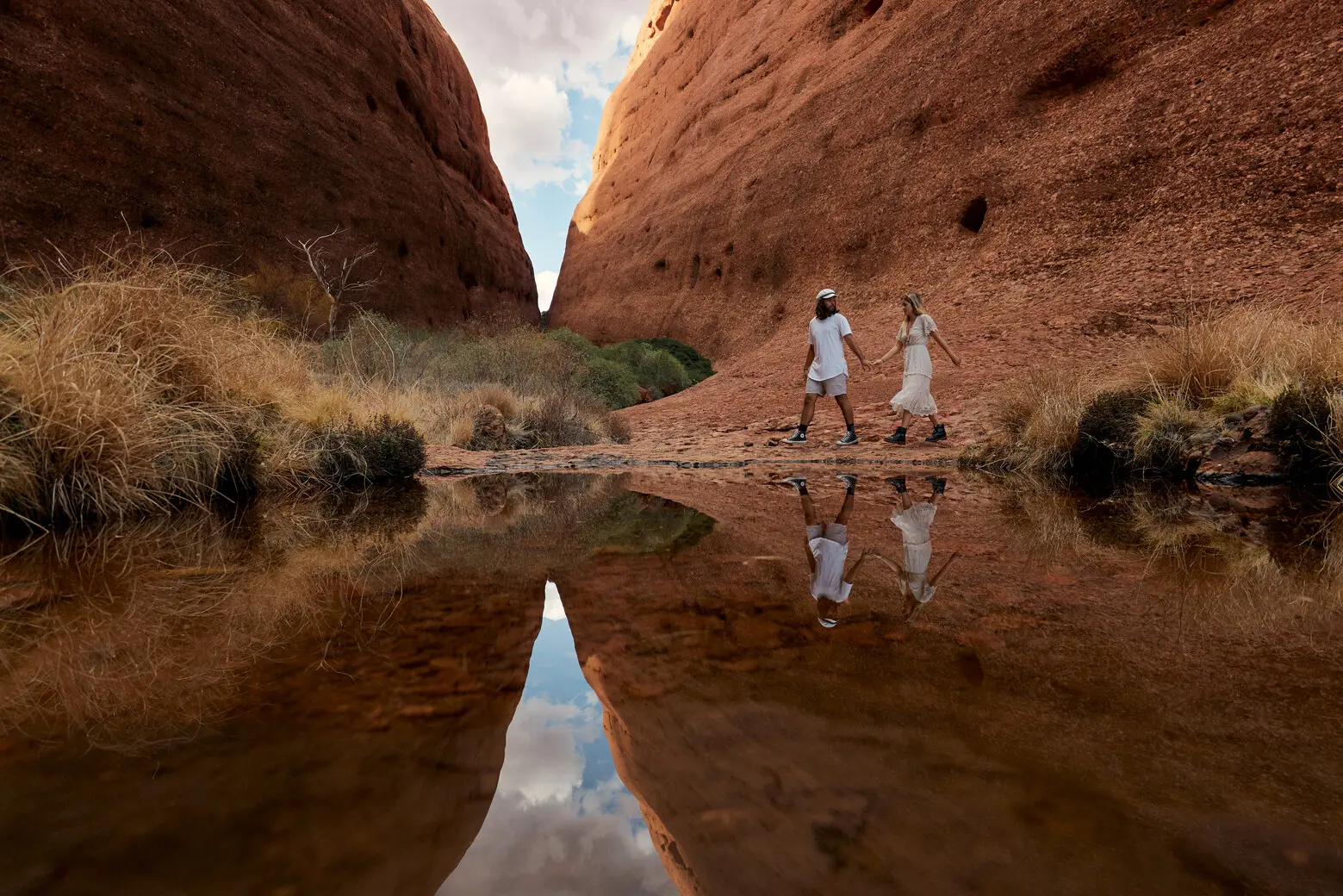
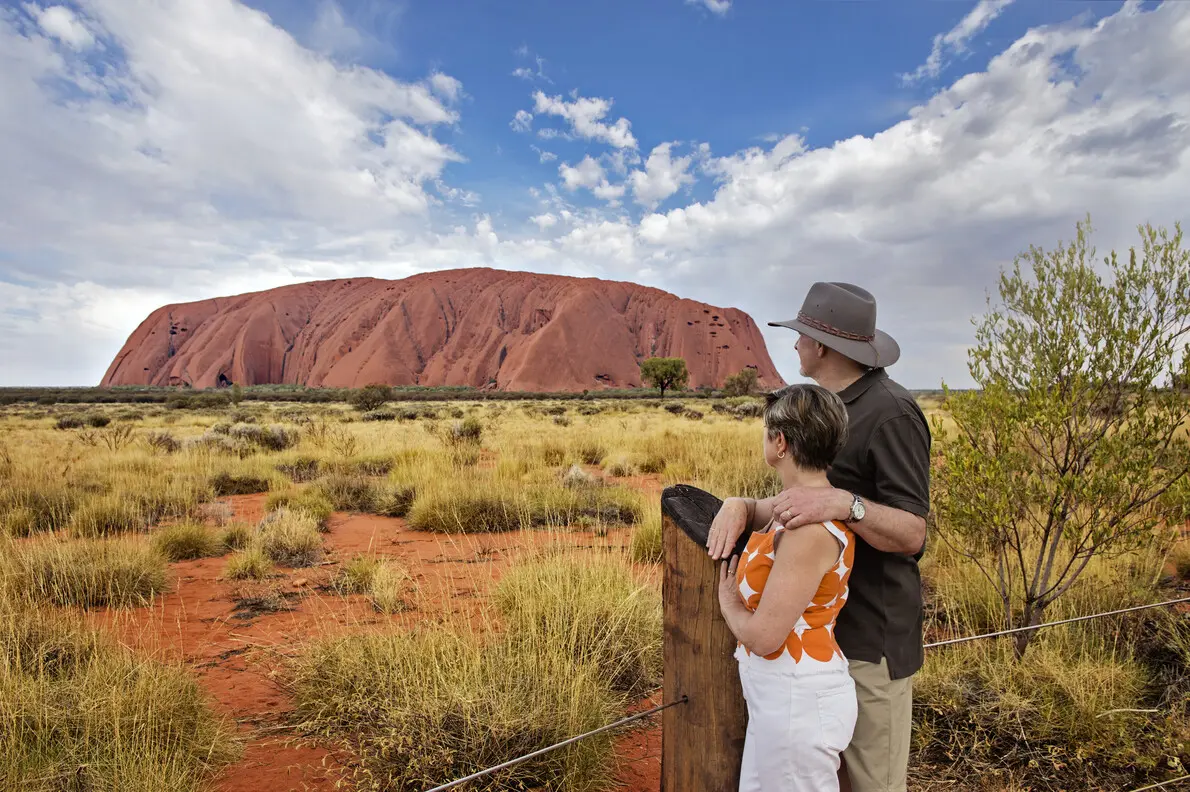
The Mutitjulu Waterhole at the base of Uluru is a very sacred site for the local Aboriginal people. This is a quieter and more intimate spot for photography. Early morning or late afternoon are the best times to visit, as the light creates perfect reflections of Uluru in the still water. There are also amazing rock art paintings here, so if you’re interested in the cultural and spiritual side of the landscape, this is a must-see. Be respectful of this site, so please follow all park guidelines.
Photography Tips and Ideal Locations Table
| Photography Spot | Best Time of Day | What to Capture | Special Considerations |
|---|---|---|---|
| Talinguru Nyakunytjaku Viewing Area | Sunrise, Sunset | Panoramic views of Uluru and Kata Tjuta | Arrive early for sunrise viewing; avoid crowded times |
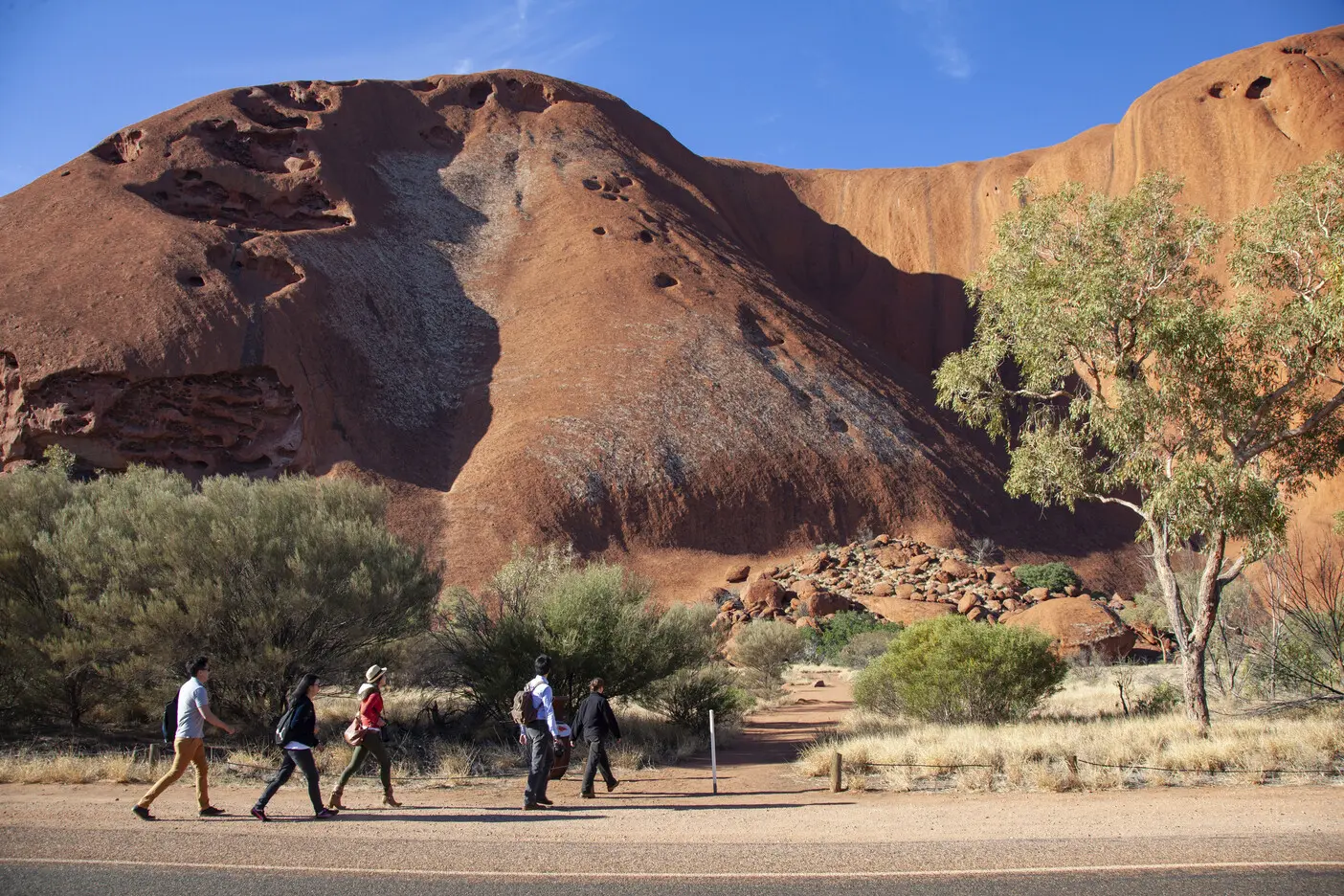
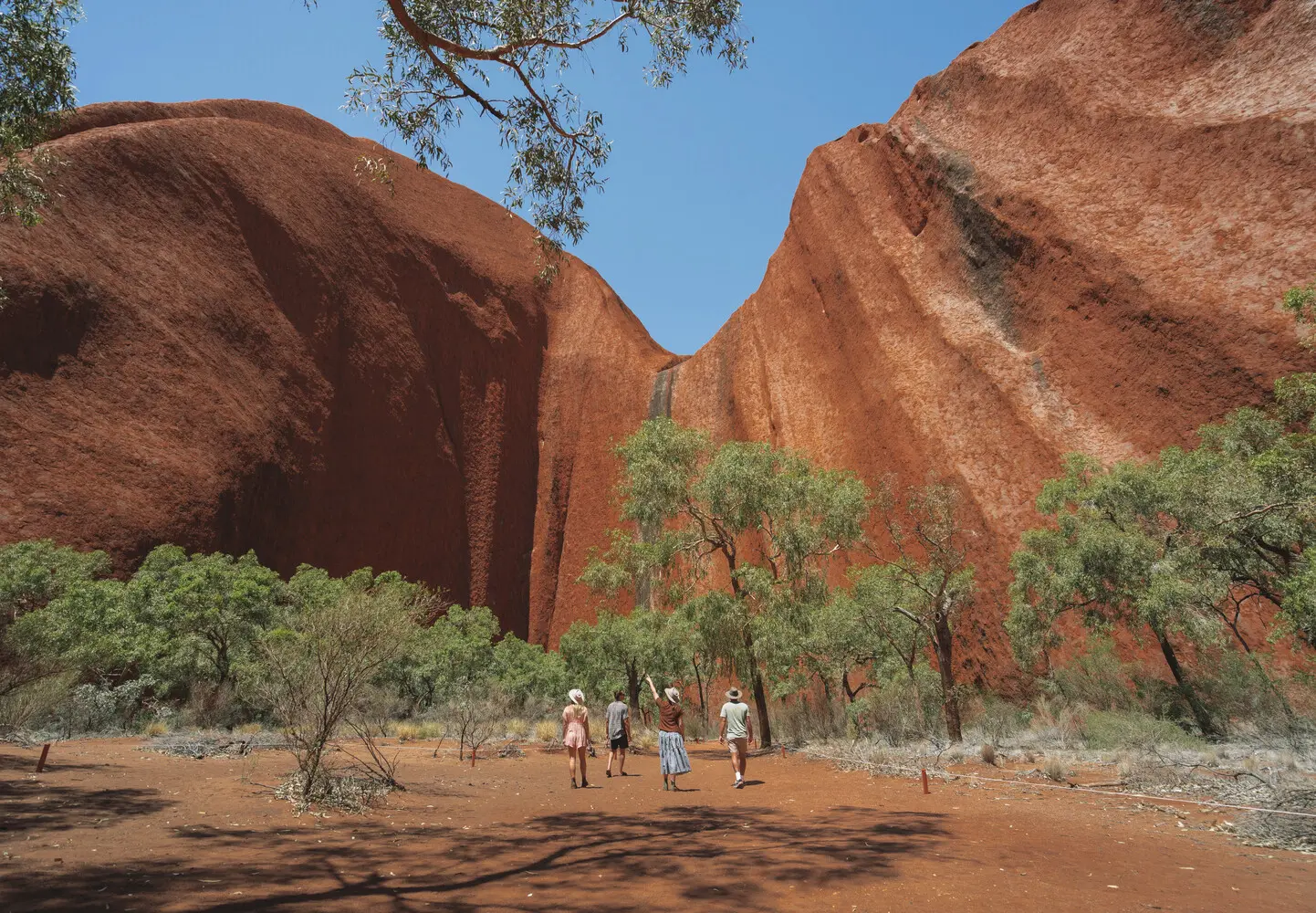
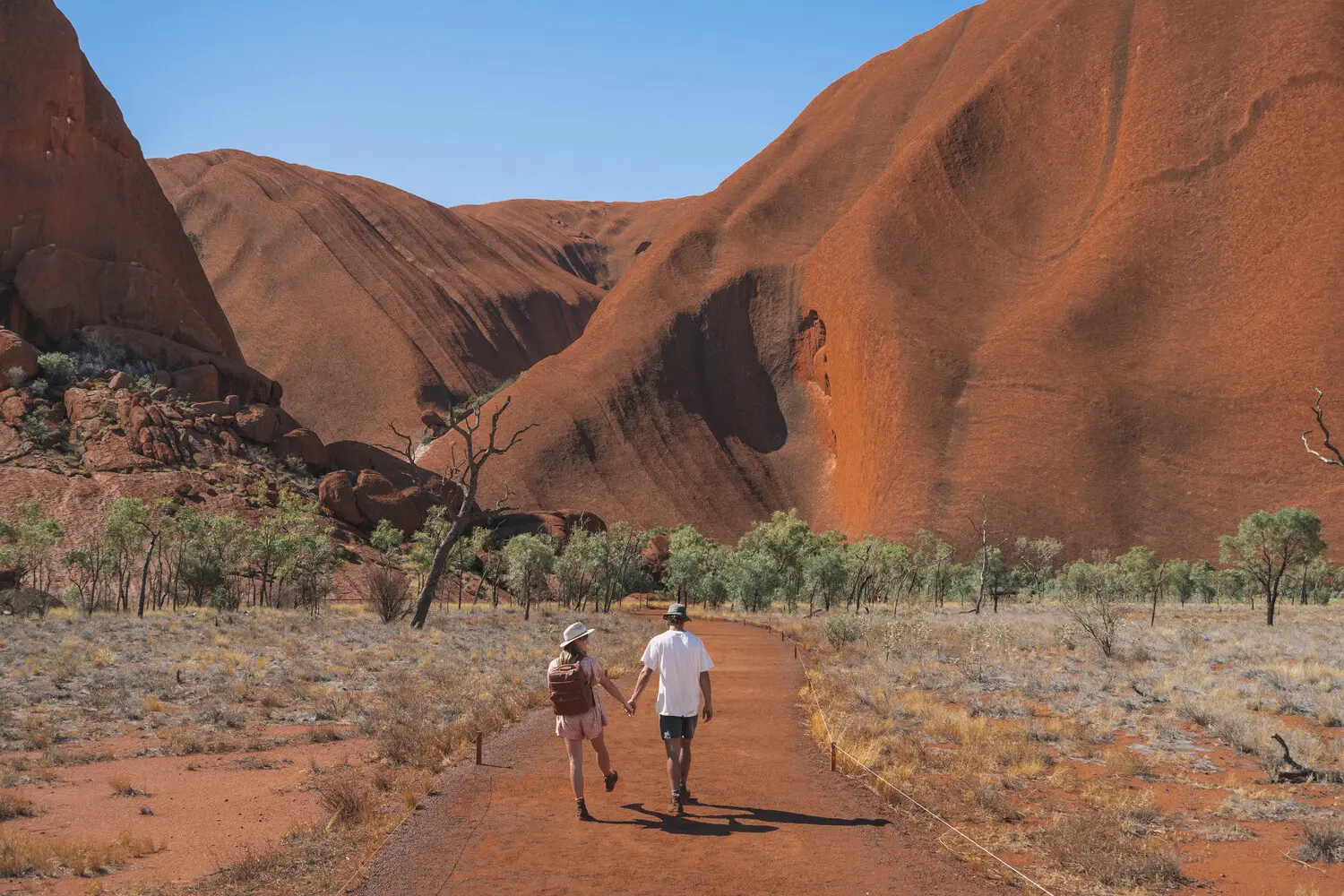
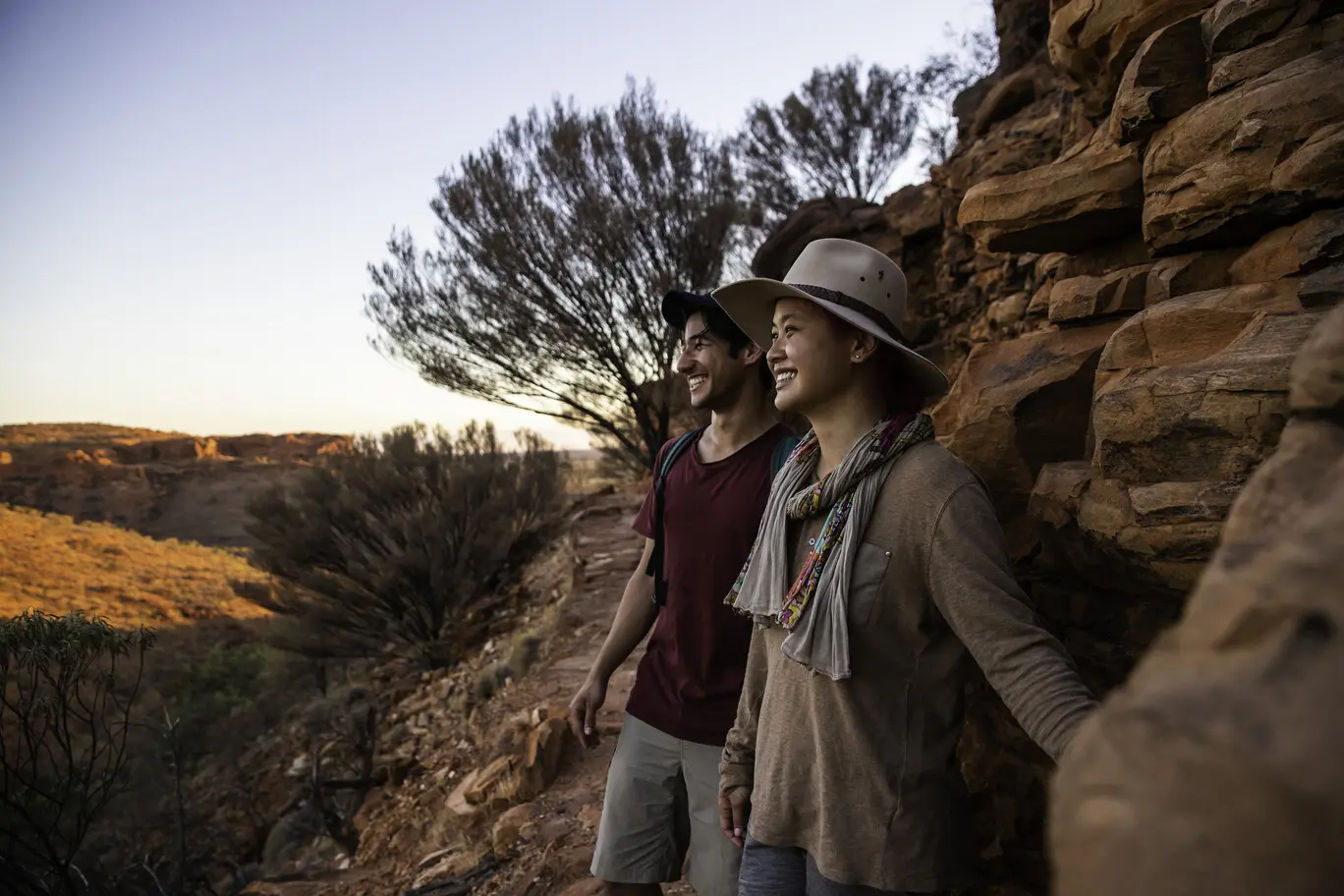
| Mala Walk | Early Morning, Late Afternoon | Rock art, sacred sites, Kantju Gorge | Respect sensitive sites; use a wide-angle lens |
| Kata Tjuta Dune Viewing Area | Sunrise, Sunset | Rock domes, desert landscape | Great for landscape photography; bring a tripod |
| Field of Light Installation | Night | Light installation, night skies | Experiment with shutter speed; visit on weekdays |
| Mutitjulu Waterhole | Early Morning, Late Afternoon | Reflections of Uluru, rock art | Perfect for reflections; avoid midday for the best light |
| Sunrise and Sunset Viewing Platforms | Sunrise, Sunset | Uluru and Kata Tjuta in vibrant hues | Use a tripod for stability; it is great for landscape shots |
| Kantju Gorge | Hour After Sunset | Ethereal light, towering rock walls | Best during winter months for cooler conditions |
| Kings Canyon | Sunrise, Sunset | Dramatic cliffs, expansive views | Visit during the wet season for lush scenery |
| MacDonnell Ranges | Various Times of Day | Rocky outcroppings, desert landscapes | Ideal for capturing the rugged beauty of Central Australia |
Sunrise and Sunset Viewing Platforms
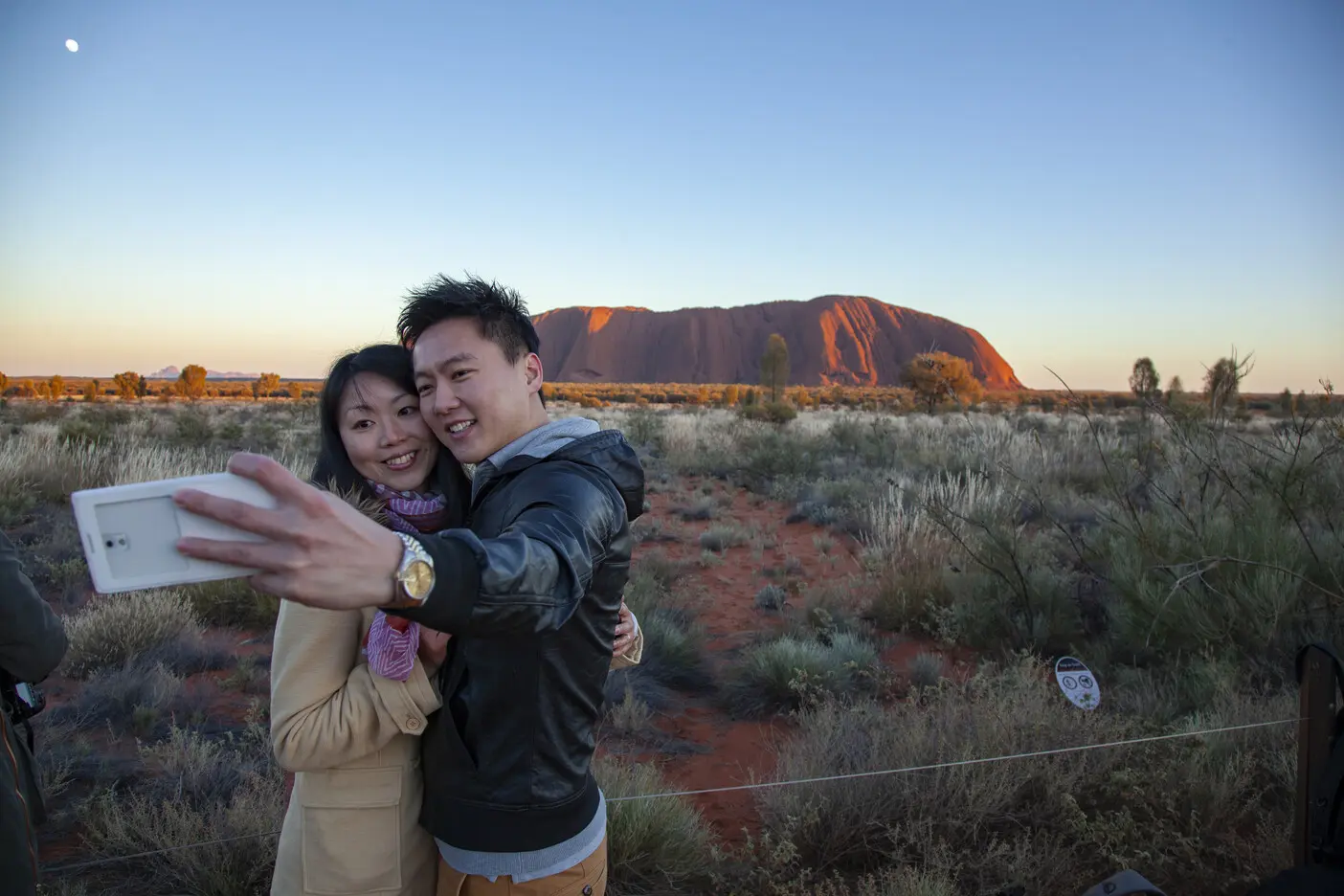
In Uluru-Kata Tjuta National Park, the sunrise car park and sunset car park are the most popular spots for photography. These platforms are designed to give you the best views of the changing light of the day. During sunrise, the first light slowly creeps over Uluru, and it’s a magical moment to get sharp shots of the landscape. At sunset, the platform is perfect for photographing Uluru and Kata Tjuta as they are bathed in the warm light of the setting sun. These platforms are great for beginner landscape photographers as they are easy and straightforward to shoot.
Scenic Flights and Helicopter Rides
If you want to shoot Uluru and Kata Tjuta from a different angle, scenic plane flights and helicopter rides are the way to go. These flights depart from Ayers Rock Airport and give you an amazing view of the desert landscape that surrounds the rock formations. Photographers can get great shots of the rock domes, sacred sites, and desert from above, and it’s a great opportunity to add some variety to your portfolio. The aerial views also give you a sense of scale and grandeur of Uluru and Kata Tjuta, which can be hard to get from the ground. Especially during dawn flights when the first light of the day casts long shadows across the landscape, it’s a dramatic and beautiful scene.
Kantju Gorge
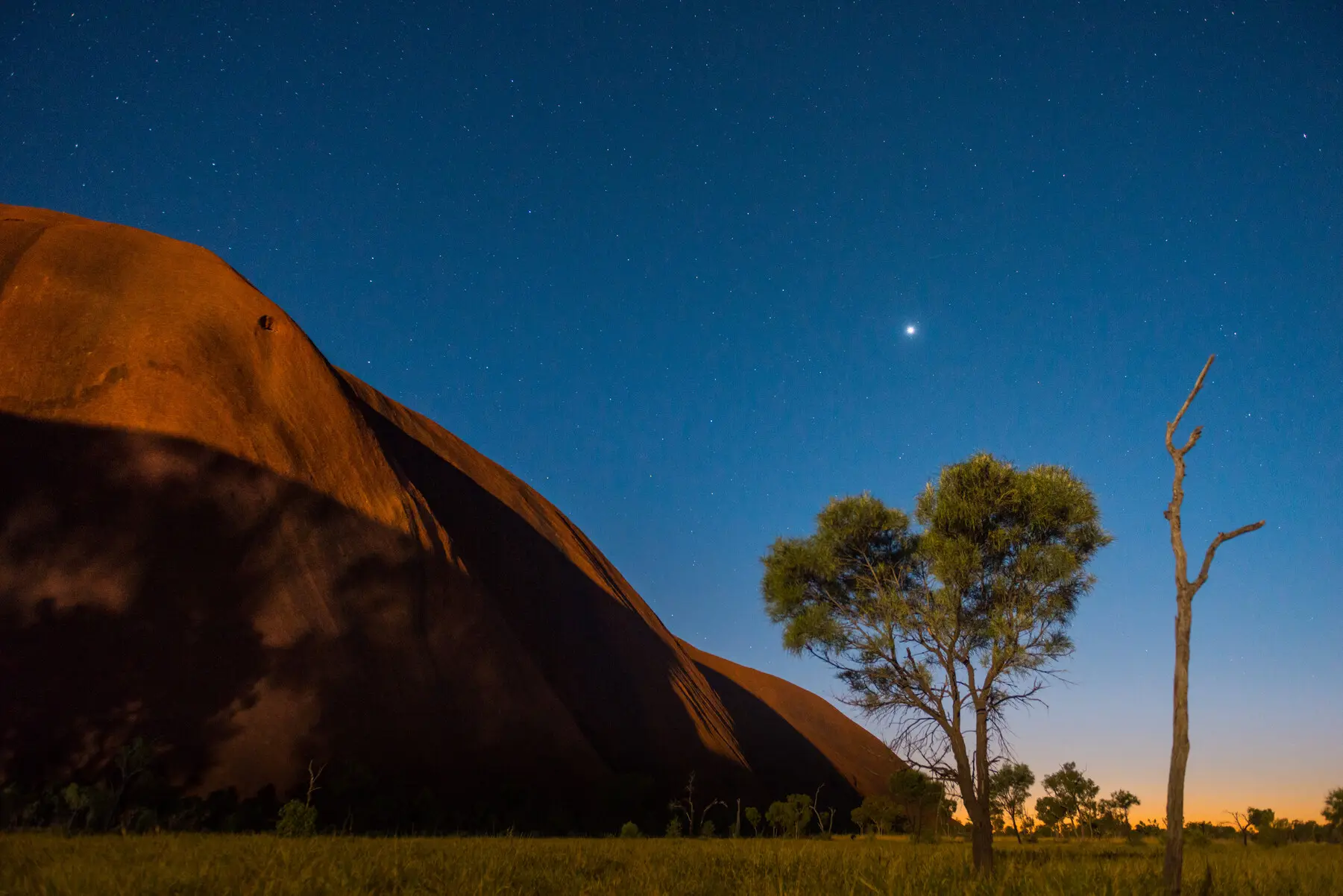
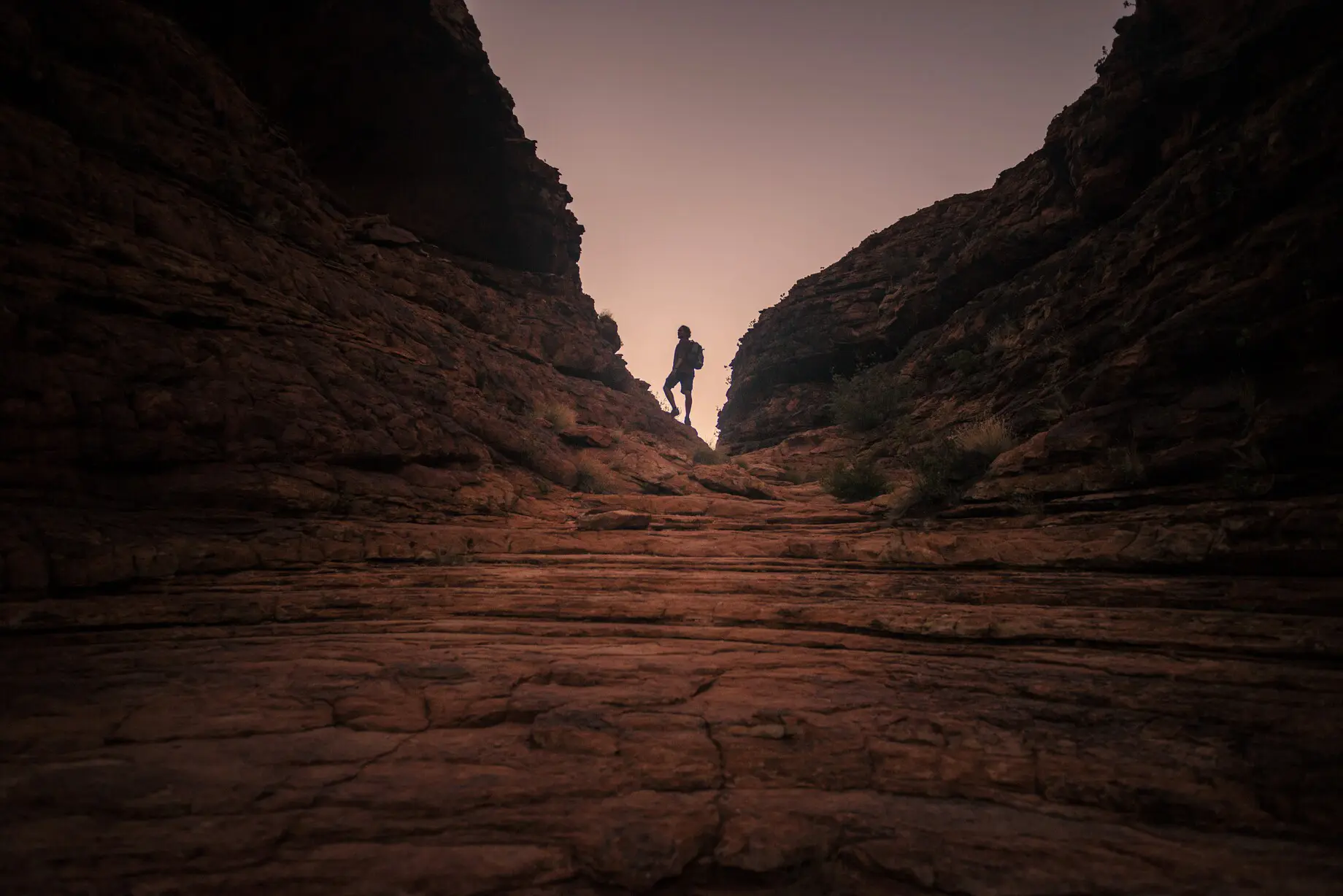
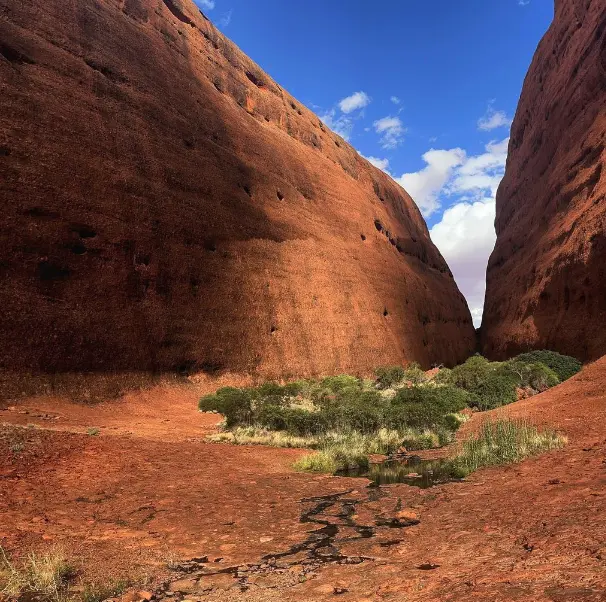
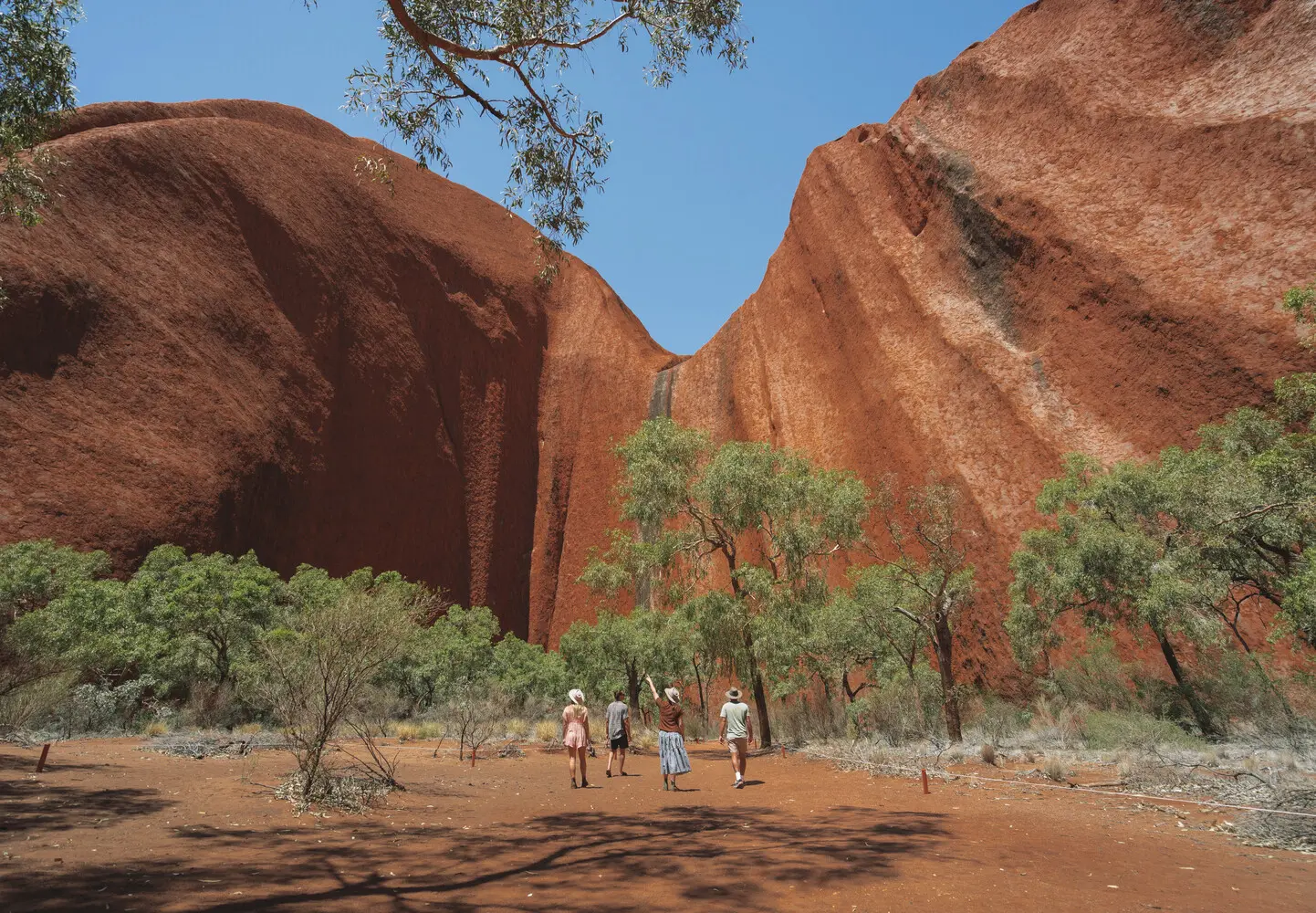
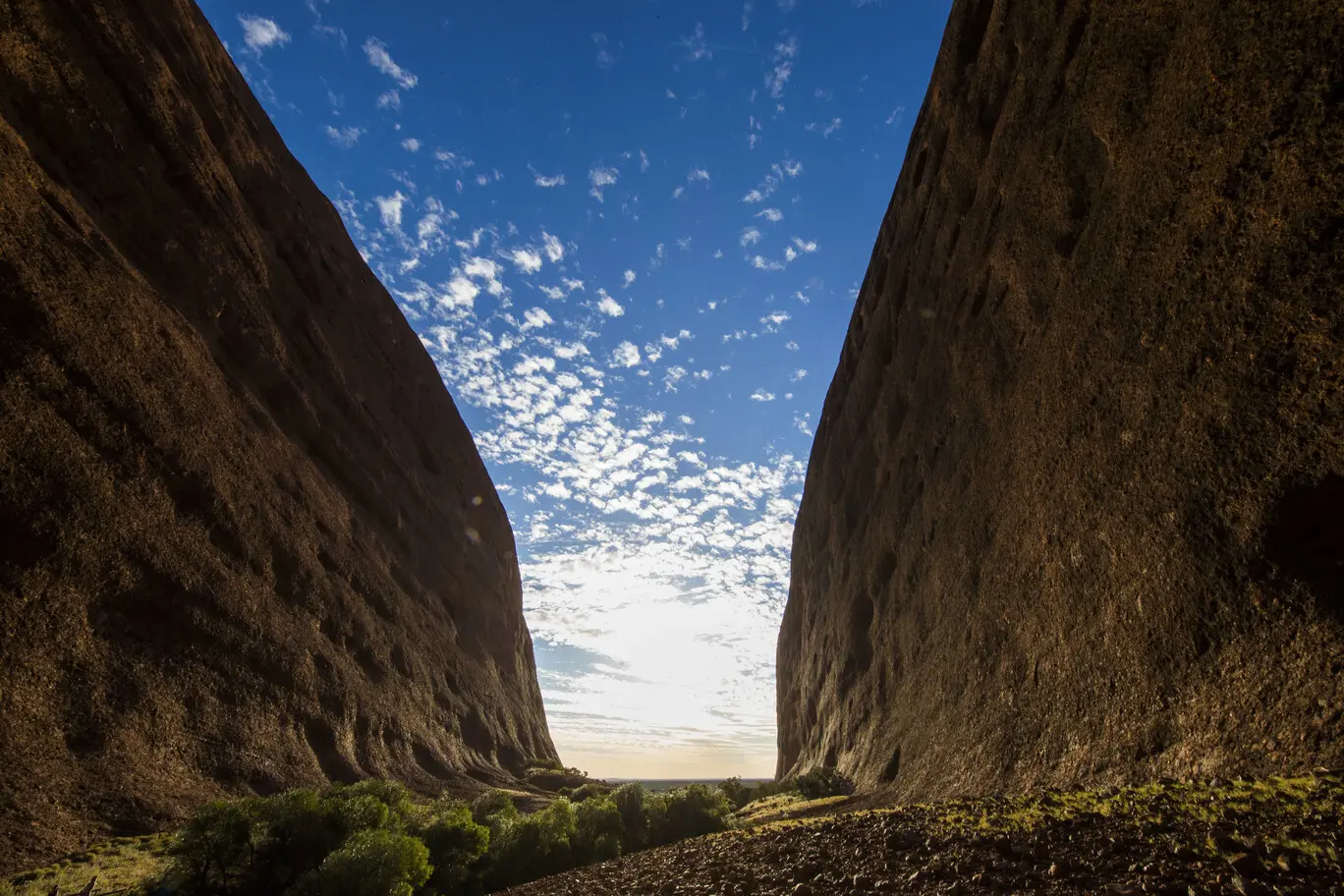
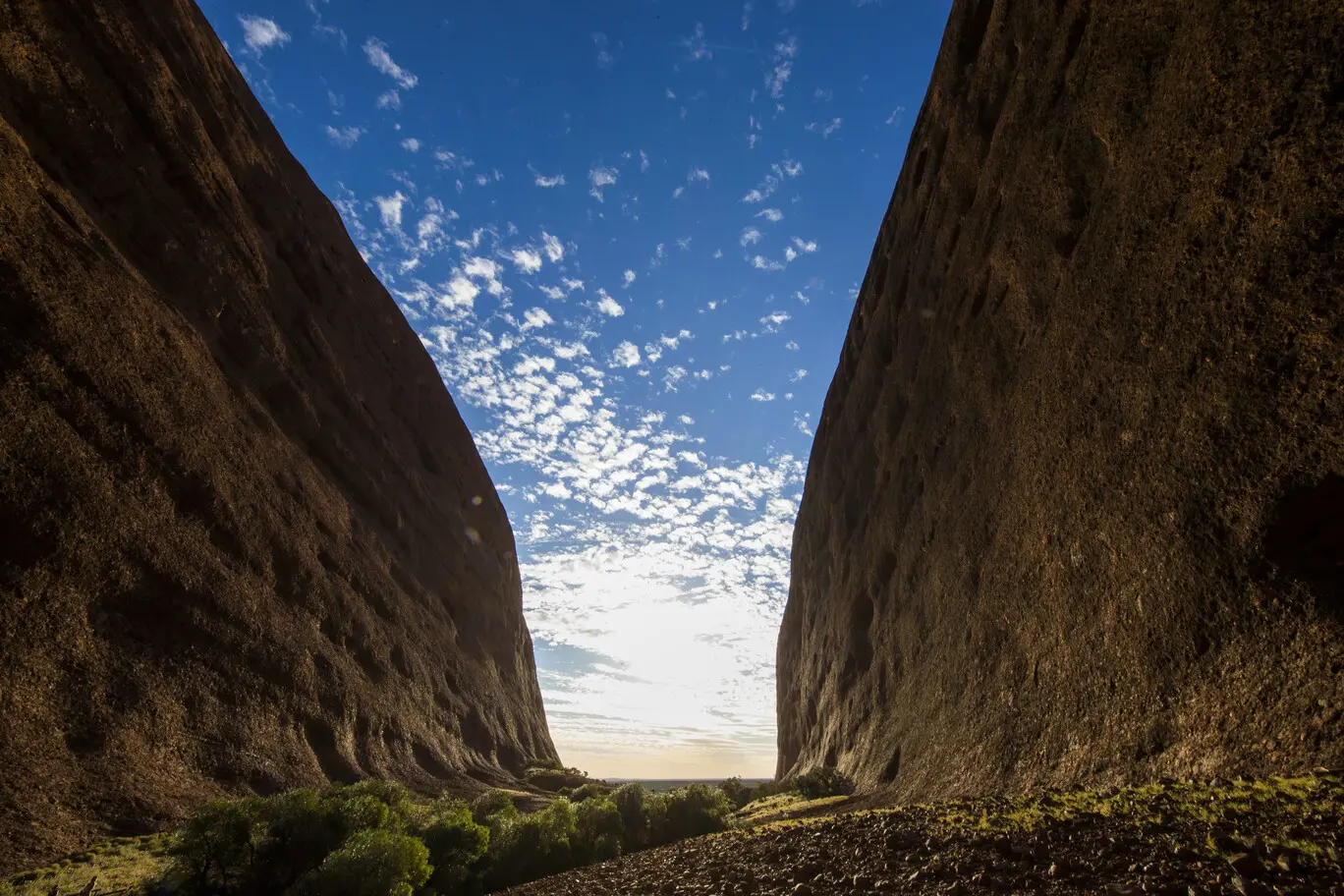
Kantju Gorge is a beautiful and culturally significant site within Uluru-Kata Tjuta National Park. It’s especially photogenic during the hour after sunset when the light is fading. The rock walls of the gorge reflect the remaining light and the water pools below reflect perfectly, it’s a great spot for landscape photography. The gorge is secluded and quiet, so it’s a favourite spot for those who want to get away from the crowds and capture the serenity of Uluru. During winter, the cooler weather makes it even more comfortable to explore and photograph.
Kings Canyon and Watarrka National Park
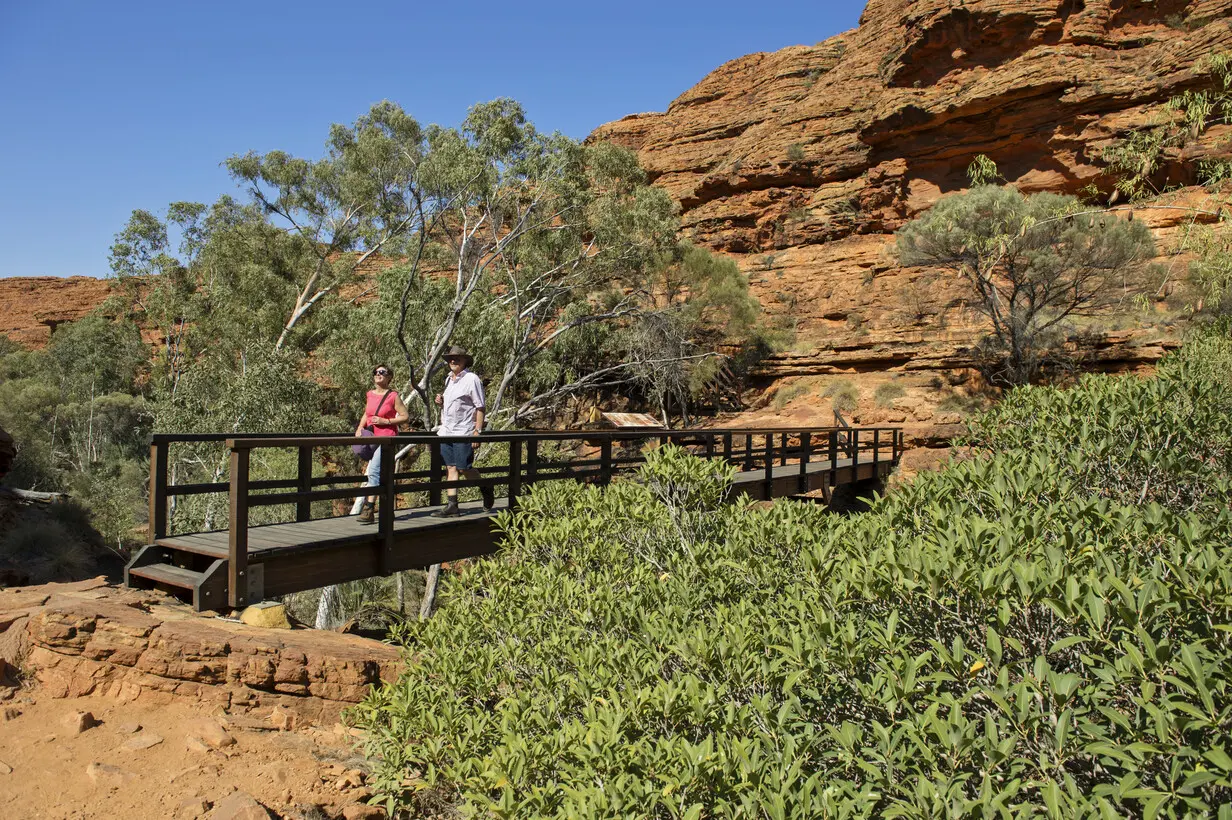
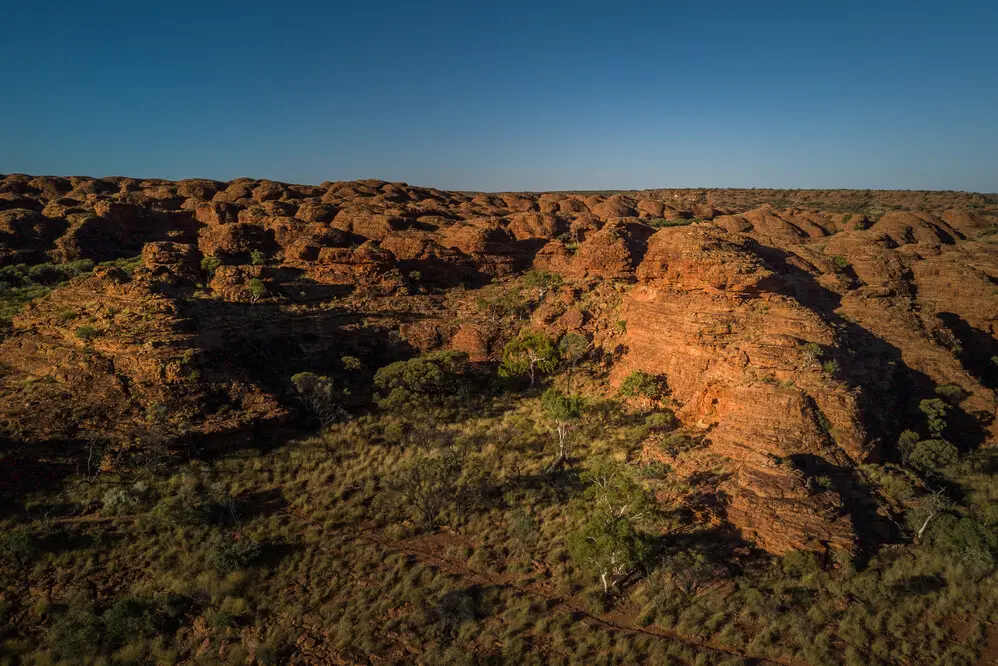
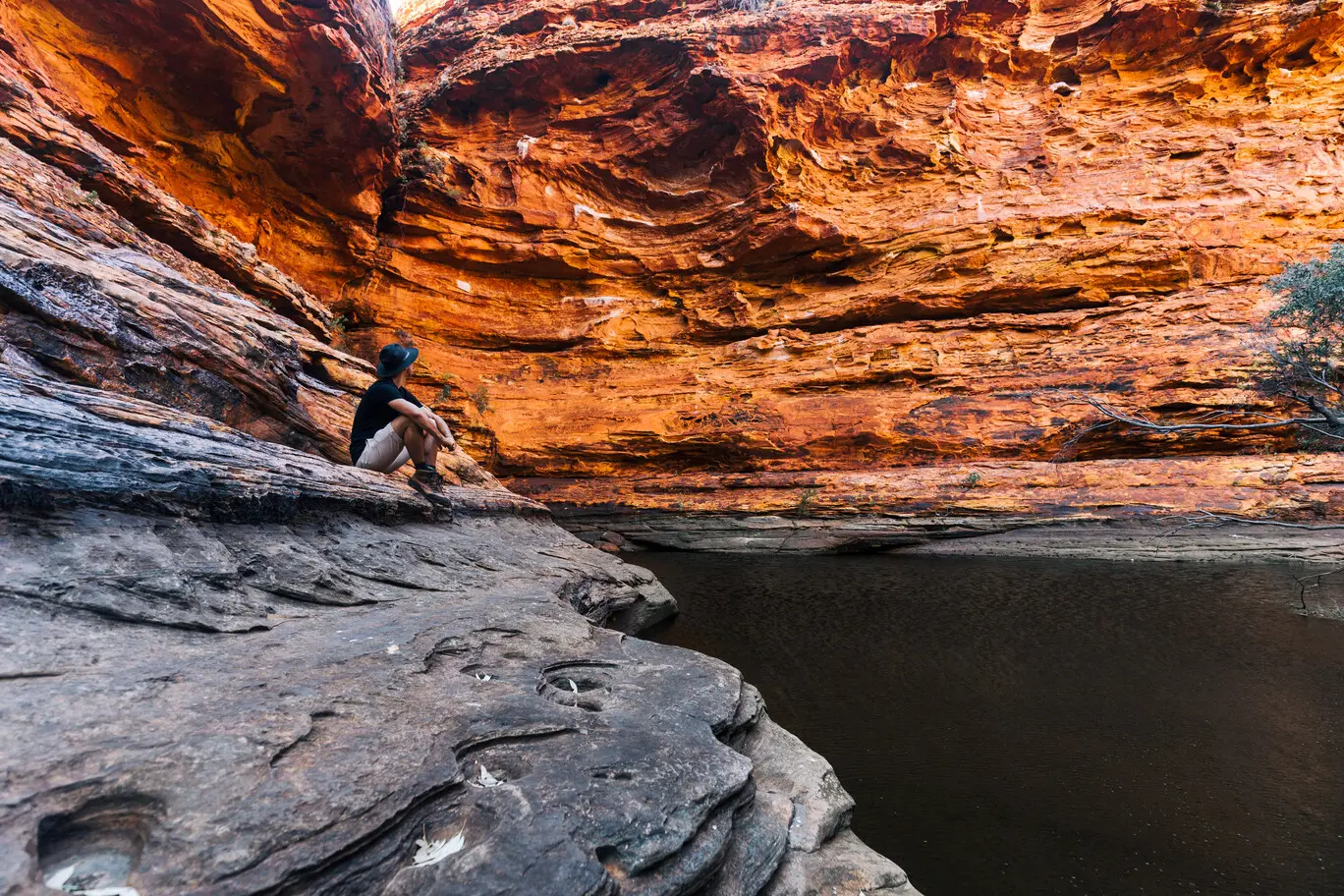
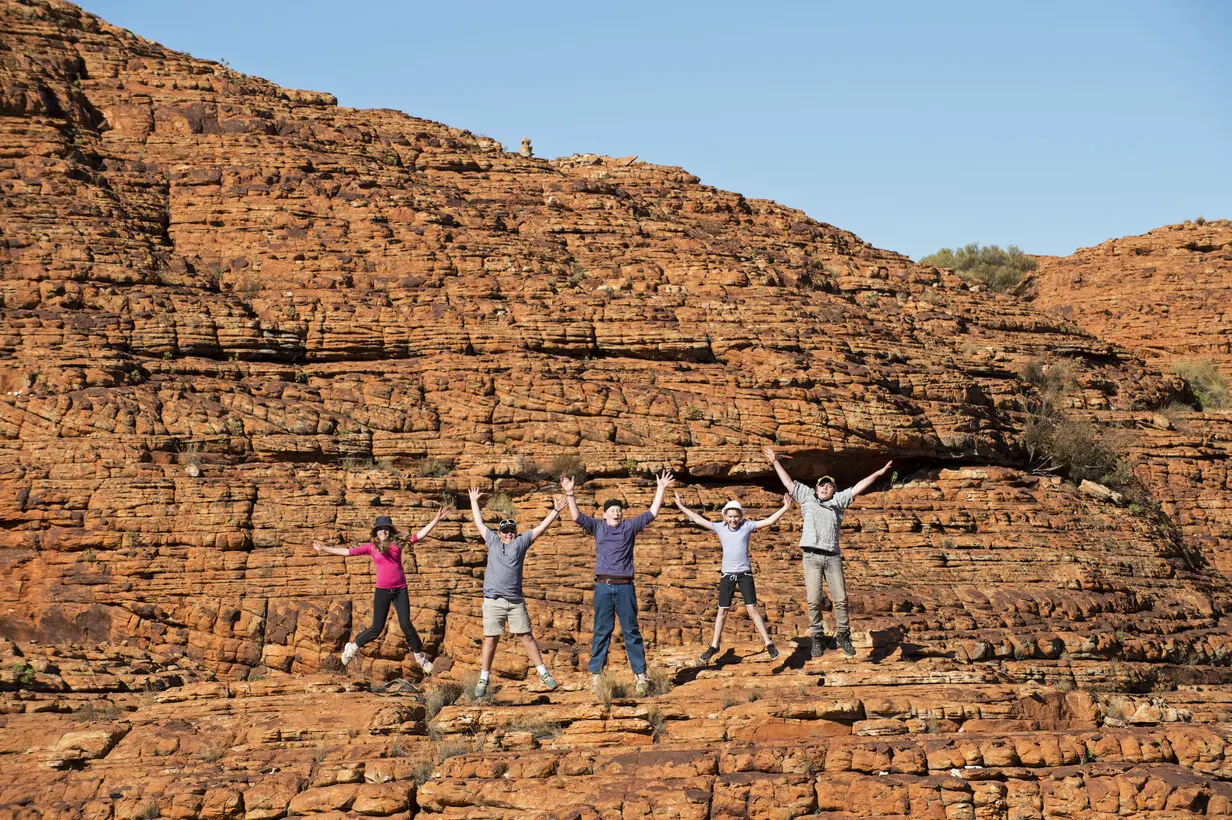
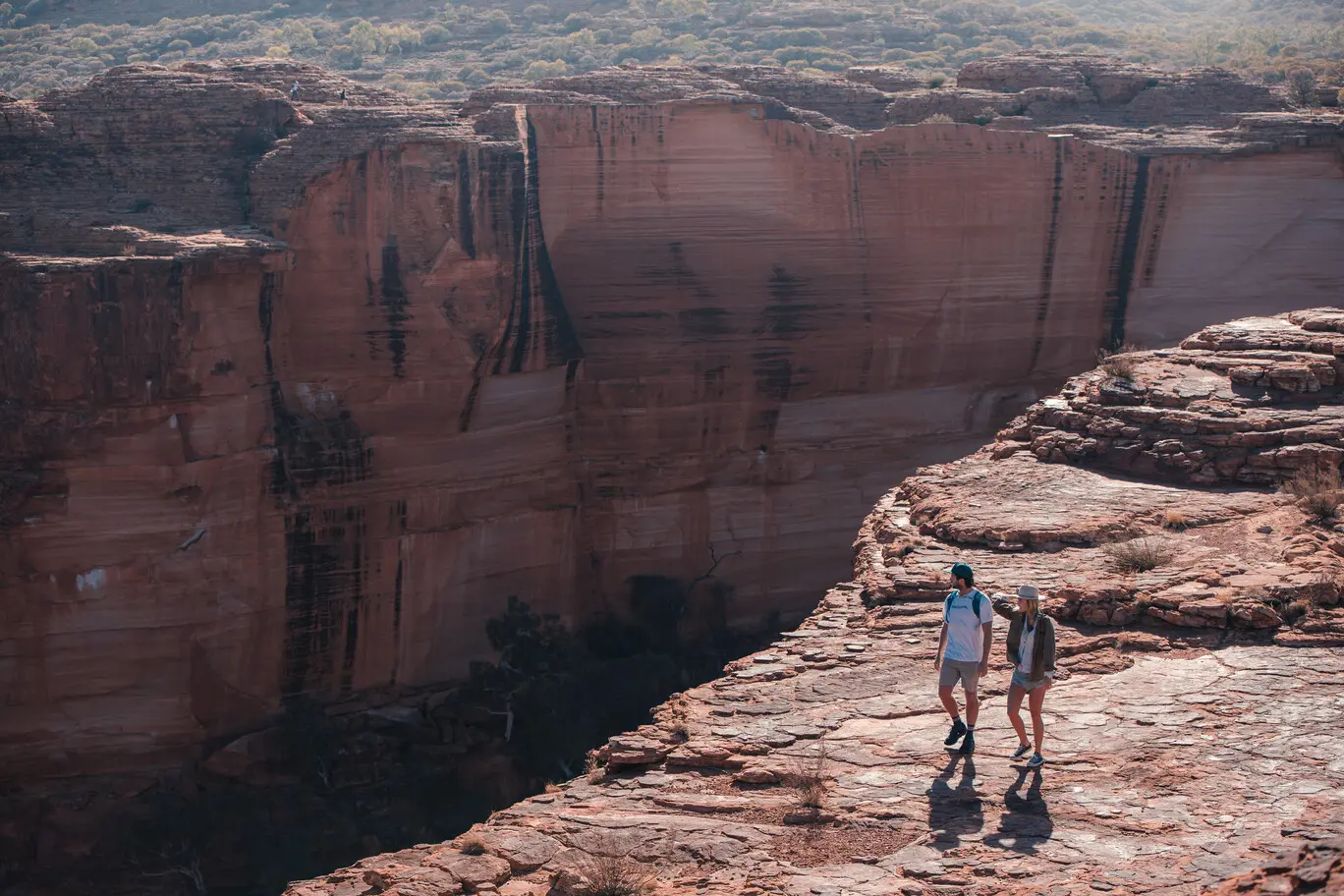
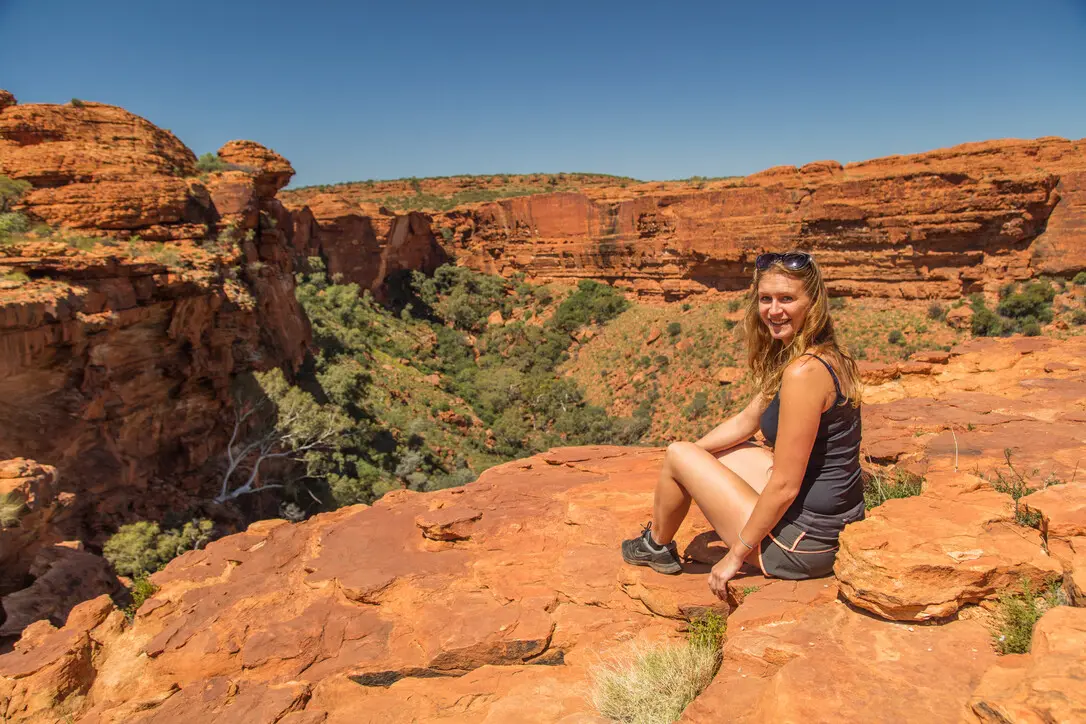
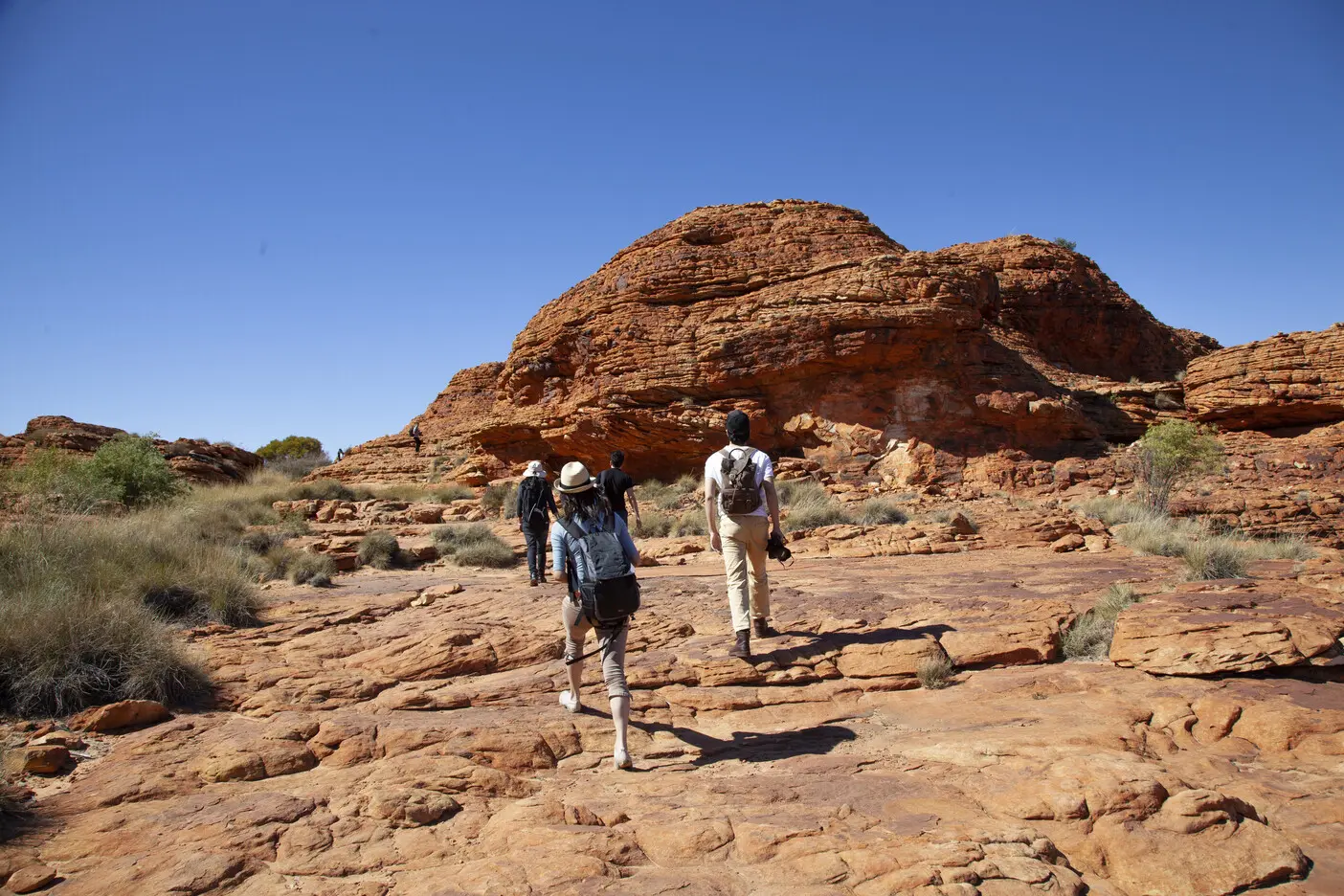
No Uluru tour to Central Australia would be complete without a visit to Kings Canyon in Watarrka National Park. A few hour‘s drive from Uluru, Kings Canyon is a landscape photographer’s dream. The best times to shoot are during sunrise and sunset, when the golden light brings out the colours of the rock formations. Kings Canyon is especially beautiful during the wet season when the series of pools and waterfalls in the canyon come to life. Photographers will find plenty of water and lush scenery to create dynamic range scenes to capture the raw beauty of the Australian outback.
MacDonnell Ranges
Near Alice Springs, the MacDonnell Ranges run through the heart of Central Australia. These ranges have some of the best photography in the region, with rocky outcrops, gorges and flat deserts. Time of day is crucial when photographing the MacDonnell Ranges, the light changes dramatically. Winter is the best time; cooler weather makes for great hiking and photography. Whether you’re capturing the ruggedness of the ranges at dawn or the colours of the desert at sunset, you’ll find endless opportunities to make great images here.
FAQ
What’s the best time of day to photograph Uluru and Kata Tjuta?
Sunrise and sunset are the best times, the light brings out the colours of Uluru and Kata Tjuta. The golden hour just after sunrise or before sunset is the most dramatic for the landscape. The soft morning light casts long shadows and brings out the texture in the rock, the evening light bathes the landscape in warm rich colours perfect for photography.
Do I need a permit for commercial photography?
Yes, if you plan to do commercial photography in Uluru-Kata Tjuta National Park you will need a permit. This is to ensure all activities respect the cultural significance of the area and park guidelines. The permit process is easy and you should get it well in advance of your visit to avoid any disruption to your photography. This also applies to any film or video production.
Can I use a drone to get aerial footage of Uluru and Kata Tjuta?
No, drones are not allowed in Uluru-Kata Tjuta National Park due to the sensitive sites and the sacred nature of the area. Aerial photography is allowed only through authorized scenic flights. These offer a unique opportunity to get above the landscape without disturbing the environment or cultural heritage of the area. These flights are conducted by experienced pilots who know the best spots for aerial photography so you get the most out of your experience.
What should you bring for landscape photography at Uluru and Kata Tjuta?
DSLR or mirrorless with wide angle lens. Tripod for sunrise and sunset shots. Telephoto lens for capturing details of the rock domes and other distant features. Polarising filter to enhance colours and reduce glare (midday shots). Memory cards and spare batteries, as recharging facilities, may not always be available in the park.
Are there any photography restrictions in Uluru-Kata Tjuta National Park?
Yes, some areas of the park are considered sacred by the Aboriginal people and photography is prohibited in these areas. Always follow the park’s guidelines and any signs that indicate sensitive or restricted areas. Also be mindful of the cultural significance of Uluru and Kata Tjuta and don’t climb or touch the rock, it’s considered disrespect. By following these guidelines, you can be a responsible and respectful photographer and capture the park’s beauty while preserving its cultural heritage for future generations.