
Contents
Discovering Nourlangie: The Heart of Kakadu’s Rock Art
Nourlangie Rock, located in the Northern Territory of Australia, is an area rich in natural and cultural heritage. This site is the best place to study ancient rock art and the culture of the traditional owners. Taking a Kakadu National Park tour offers a unique opportunity to explore Nourlangie Rock extensively. This article will describe Nourlangie Rock, detailing its history, culture, and natural significance as part of a broader exploration within Kakadu National Park.
A Journey Through Time: The Ancient Rock Art
The rock art sites in Kakadu National Park and Nourlangie Rock are thousands of years old, pre European settlement in the Northern Territory. These were created 20,000 years ago and are the primary sources of information about Aboriginal religion and way of life. The art in the rock shelters tells us about the patronage of religion and oral tradition in the cultural and artistic narrative.
Kakadu Rock Art Sites
One of the most famous things about Kakadu National Park is its rock art sites. Each site adds to the overall understanding of Aboriginal rock art. From the intricate carvings at Ubirr to the colourful paintings at Nourlangie Rock, these rock art sites are historical sites. Because of the many artistic and sacred worlds it contains, many will be revealed at one of the places in Aboriginal Australia.
Nourlangie Rock – a Historical Site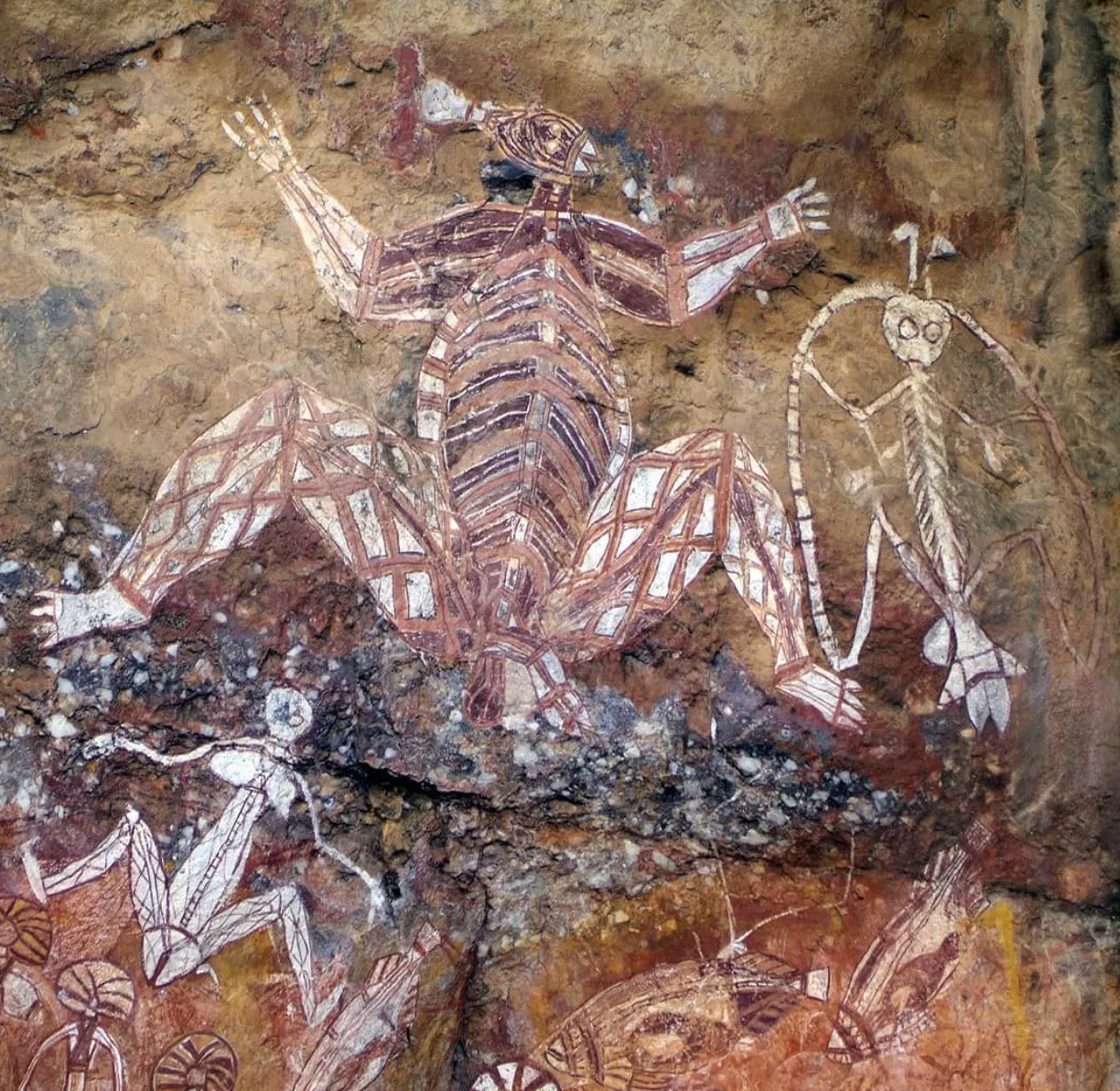
Nourlangie, also known as Burrunguy, is one of the best of Kakadu in terms of terrain and cultural attractions. The area has many Aboriginal rock art pieces that tell the stories of people and nature in the old strata. Nourlangie Rock Inquiry reveals the intimate relationship of the ‘traditional’ people with the land rich in history, spirituality and art. The rock formations and ancient landscapes set the scene for this drama.
Cultural and Spiritual Significance of Nourlangie Rock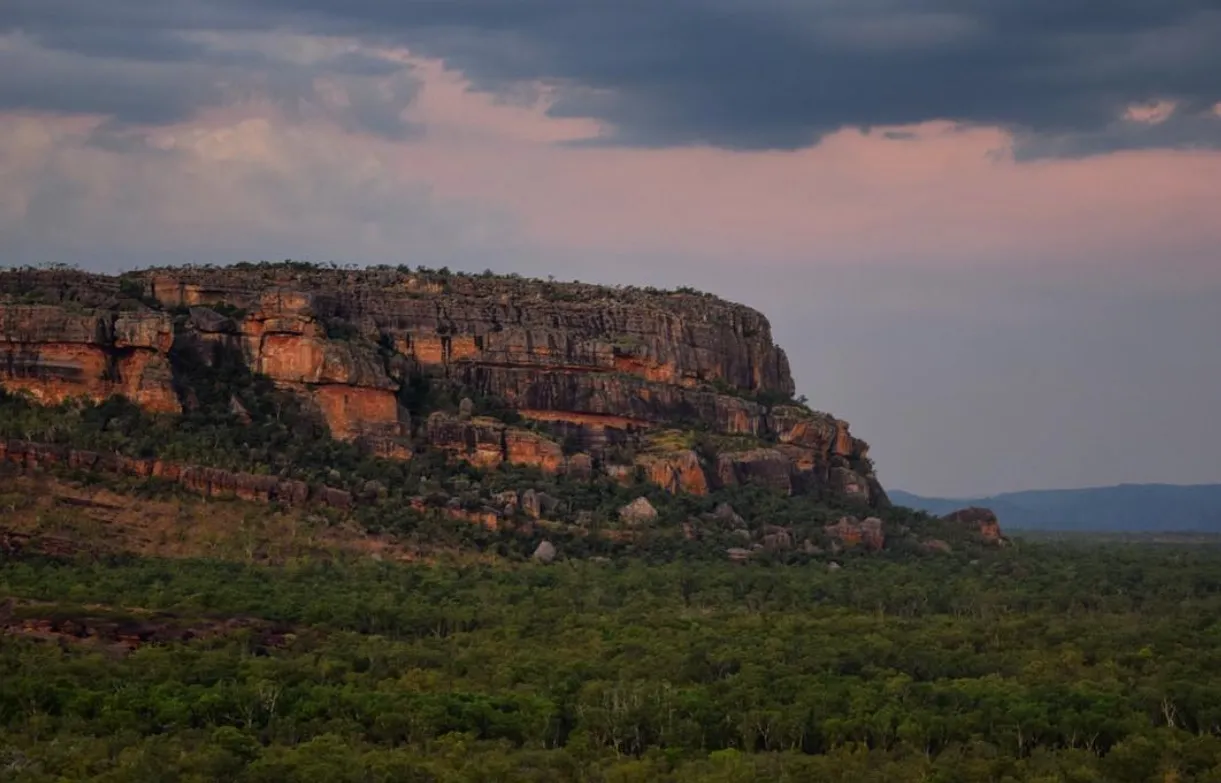
For the Aboriginal people of Kakadu the Nourlangie Rock is a sacred site. The art here is not just historical documents, there is a deep connection to it on a cultural and spiritual level. They tell the stories of the Aboriginal people and the beliefs they hold. The place gives evidence of the living culture and the closeness of the Aboriginal people to the sacred areas they inhabit.
Climate Impact on Rock Art
The local climate affects Aboriginal rock art conservation more. The wet and dry seasons in Kakadu bring different weather patterns that affect the art. The heavy rain can cause runoff and mildew and the heavy sun can cause cracks in the rock. It’s good to know these climate factors so we can limit the climate factors to protect the sites.
Use the table below to understand the preservation issues and rock art preservation:
| Factor | Impact on Rock Art | Conservation Measures |
|---|---|---|
| Weathering | Erosion due to wind and rain can wear down art. | Regular cleaning and protective coatings. |
| Temperature Extremes | High temperatures can cause cracks in the rock. | Monitoring temperature fluctuations and adjusting conservation techniques. |
| Humidity | High humidity promotes mould growth. | Dehumidifiers and controlled climate conditions. |
| Vandalism | Graffiti and damage by visitors. | Restricted access and educational programs for visitors. |
| Natural Wear | The natural aging of materials can obscure details. | Documenting and preserving the art through digital means. |
Wildlife at Nourlangie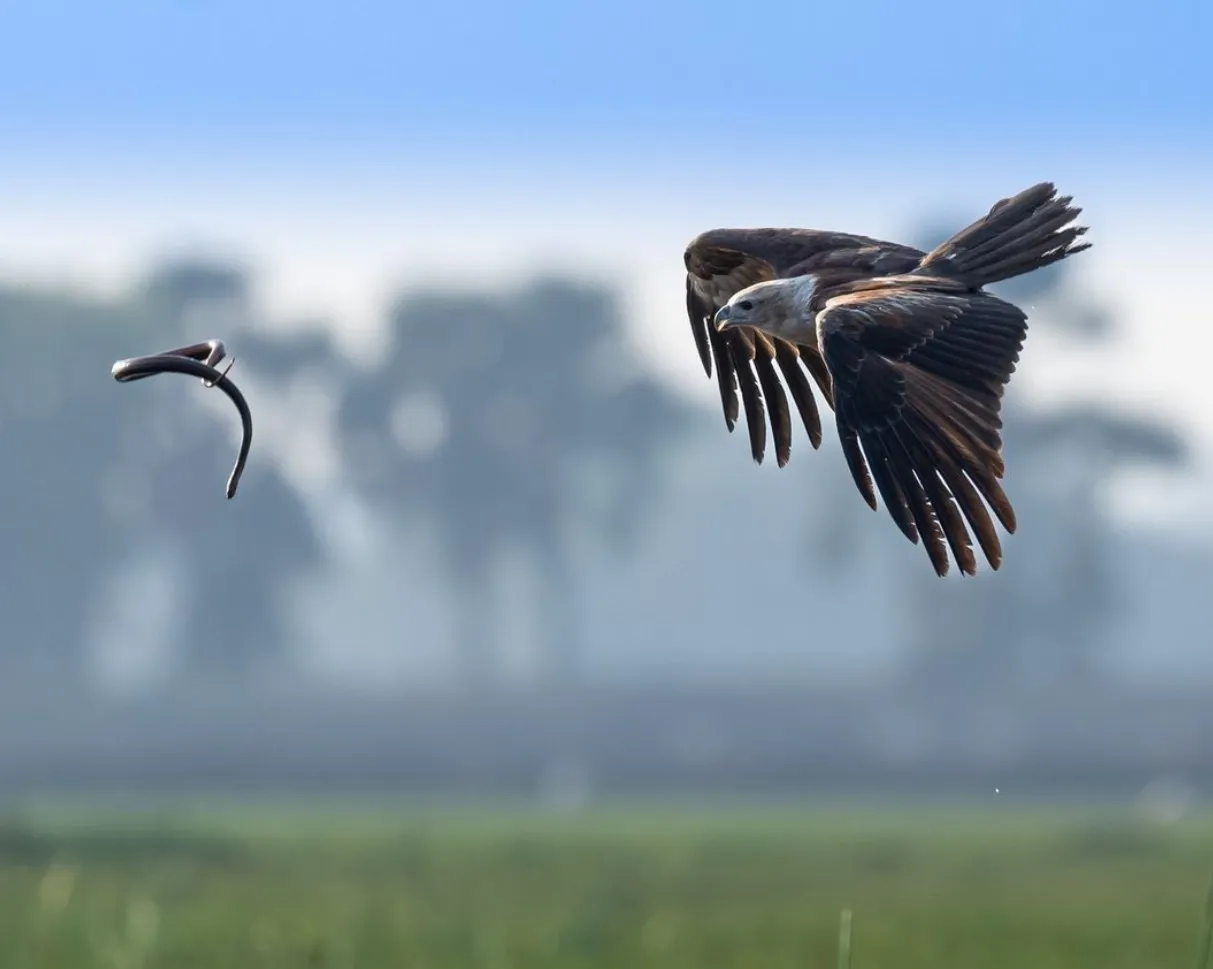
Already famous for its cultural significance, Nourlangie Rock has plenty of wildlife, too. The rocky outcrops, surrounding forest and water nearby are all in its favour. Bird lovers will not be disappointed as there are many birds, raptors like the Black-breasted Buzzard and Brahminy Kite. There are also red-winged parrots and rainbow bee-eaters, smaller birds that pop out of the trees, and rock faces.
Reptile enthusiasts will still find some fanged beauties; a lizard lover can’t leave Australia without loving the Perentie and the Northern Blue-tongue Skink. These reptiles have adapted well to dry conditions and can be seen on or in rock basking or in total retreat.
Apart from the birds and reptiles, other larger mammals also live in the area around Nourlangie Rock, including the nearby Yellow Water Billabong. The billabong is an animal haven and a great place to see species like the quick and agile Wallaroo or the more secretive Northern Brush-tailed Phascogale. If you look closely, you may also see freshwater crocodiles in the area behind the billabong and other secluded spots, but they are generally quiet and don’t want to be seen.
Rock Art and Lookou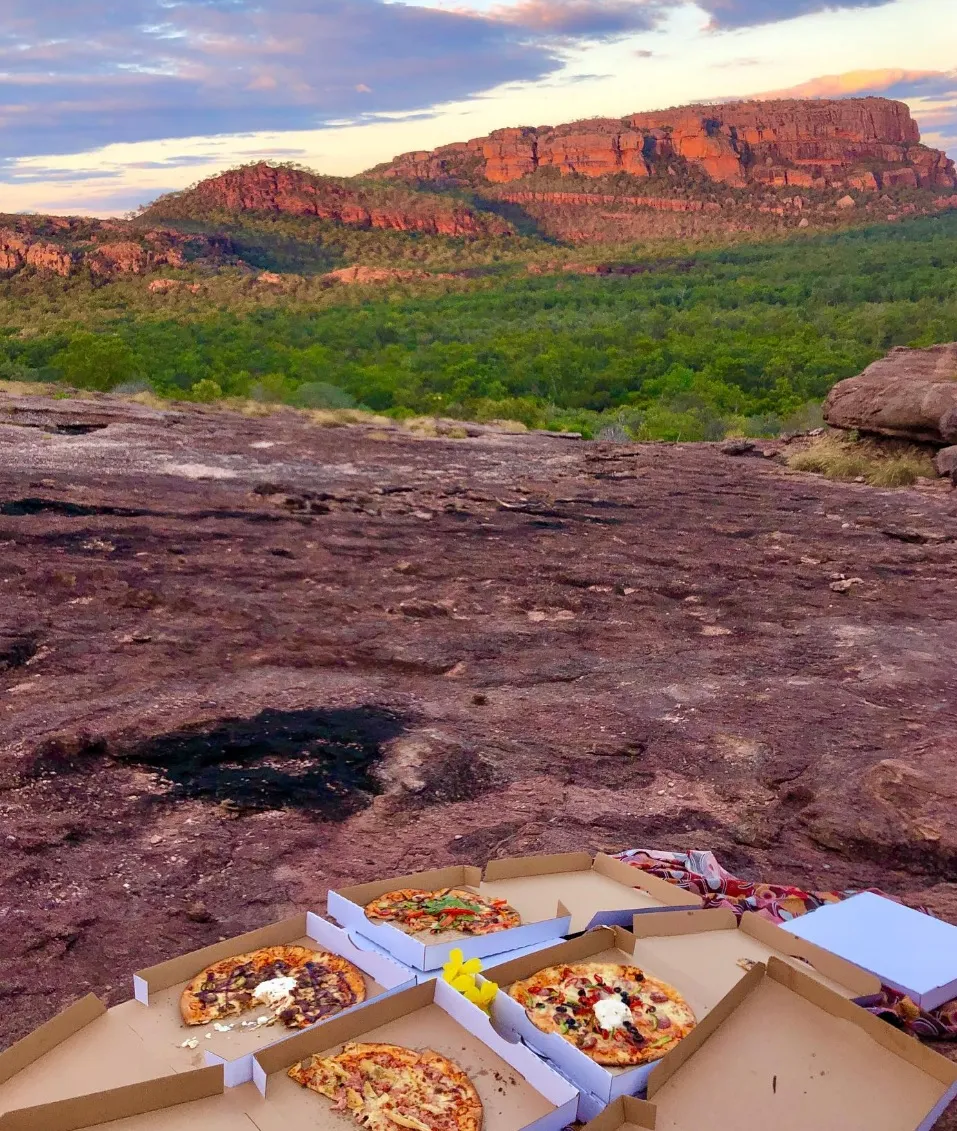
The viewing platforms at Nourlangie Rock offer great views because of the surrounding landforms. From here you get to see the steep scarp, the dense forest and the floodplains below. The views are best in the morning or evening when the sun is in the right position to add warm colours to the scenery.
The combination of the cultural and natural aspects of Nourlangie Rock is lovely. While looking at the rock art or the views from the lookout you start to understand multiple layers of Kakadu – the culture and the land. It’s good for the eyes and the mind as it gives you a sense of connection to the old ways and the landscape.
Free Ranger Talks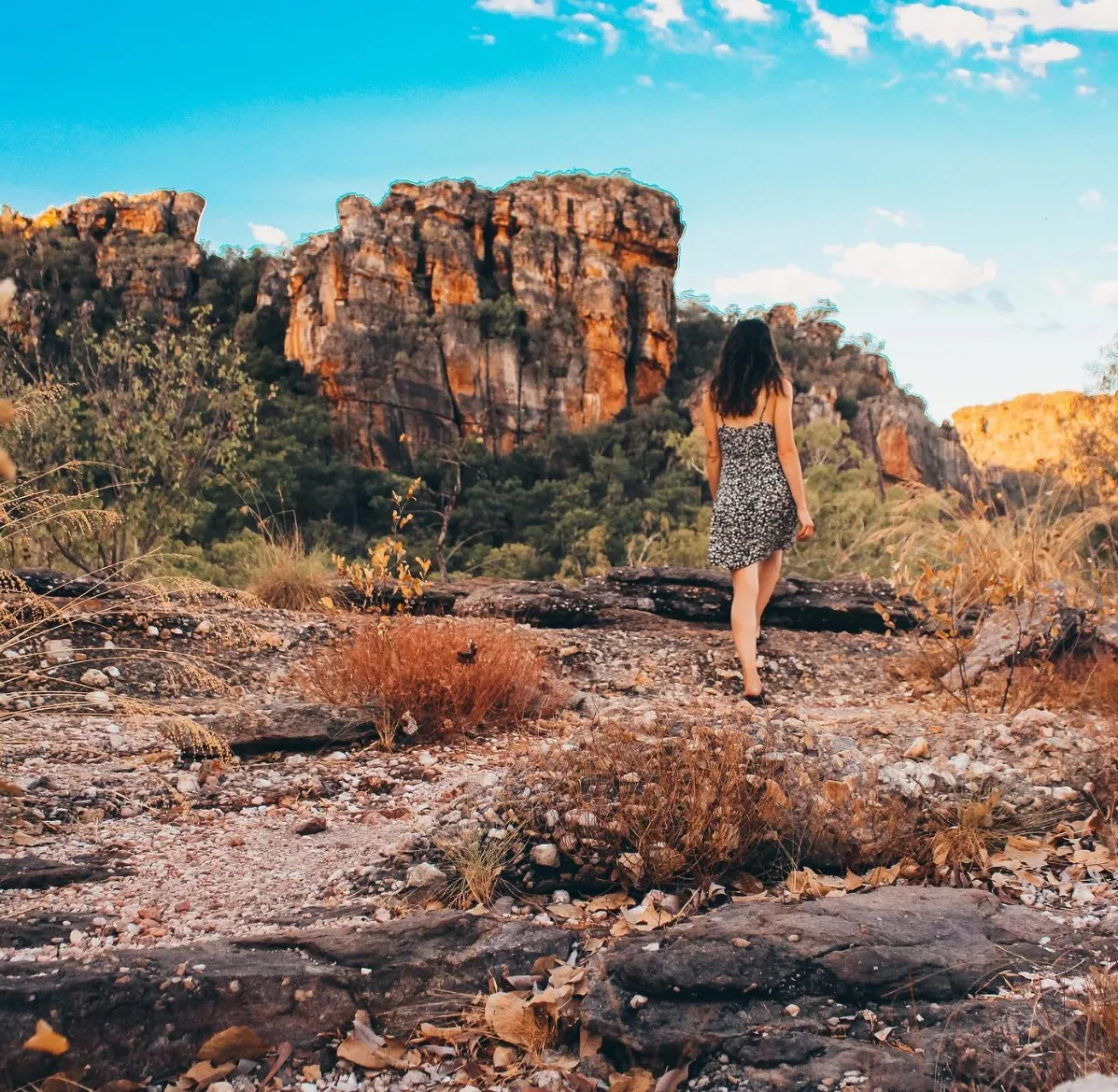
Free ranger talks are available to enhance your experience at Nourlangie Rock. Led by knowledgeable rangers, visitors are given an educational experience as the rangers talk about the paintings, their context, history and future of the site. During the talks, rangers will explain the size of the paintings, what they represent and the cultures of the Indigenous Australians who created the art.
The ranger talks are meant to be fun and informative and give you more knowledge about Kakadu National Park. Anecdotes and little known facts about the site are shared by the rangers making the visit not only educational but also memorable. They explain too about the significance of those ancient paintings and how they are trying to conserve them from nature and people.
Conclusion
Seeing Nourlangie rock is fascinating because you learn about the culture and at the same time you get to enjoy the serenity of Kakadu national park. You get to know more about the site, the ancient rock paintings, Aboriginal culture and northern Australian landscapes. History, spirituality or just the wildness of the ‘park’, Nourlangie rock is one of the places you shouldn’t miss.