
Prestige tours

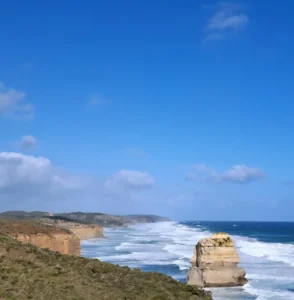
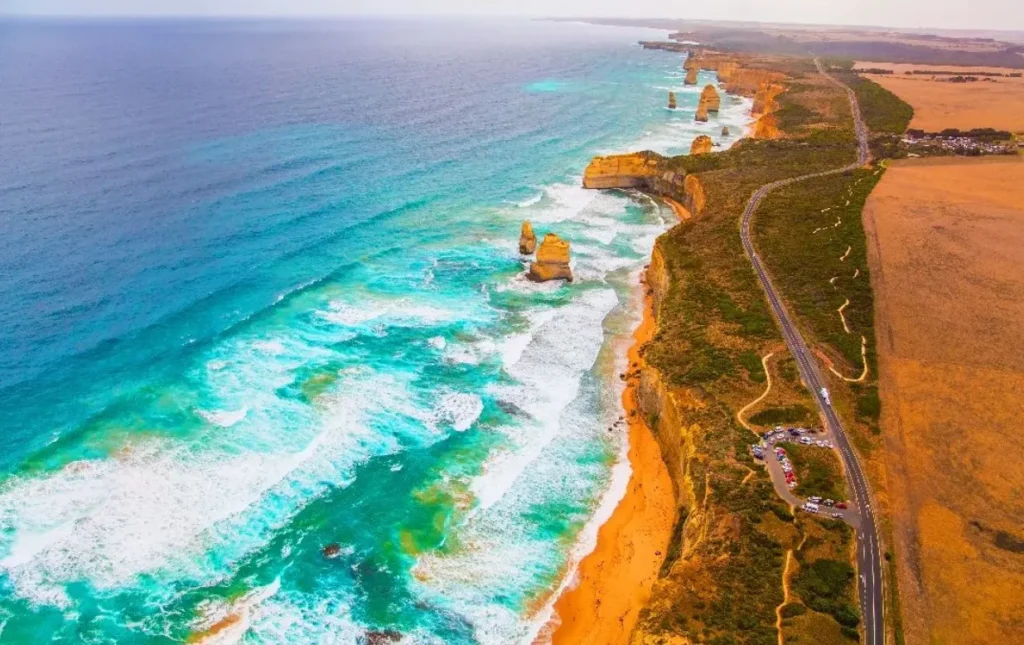
Travelling along the Great Ocean Road is one of the must-do destinations in Australia and is widely regarded as one of the most beautiful coastal routes in the world. One of Australia’s most famous landmarks is the Twelve Apostles rock formation.

In this blog article, we start with recommendations for viewpoints and highlights of the Great Ocean Road that shouldn’t be missed and then give you all the tips you need to plan your trip. At the bottom of this in-depth guide to the Great Ocean Road, we answer questions about how much time you should plan for your hire car trip and what costs you expect to incur. And of course, our trip report gives you an honest review of travelling with kids around Victoria. 

Great Ocean Road

Table of Contents

The Greatest Lookouts on the Great Ocean Road

Here’s an overview of all the lookouts we visited on the Great Ocean Road, with a brief description and our recommendations in order of departure from Melbourne: 

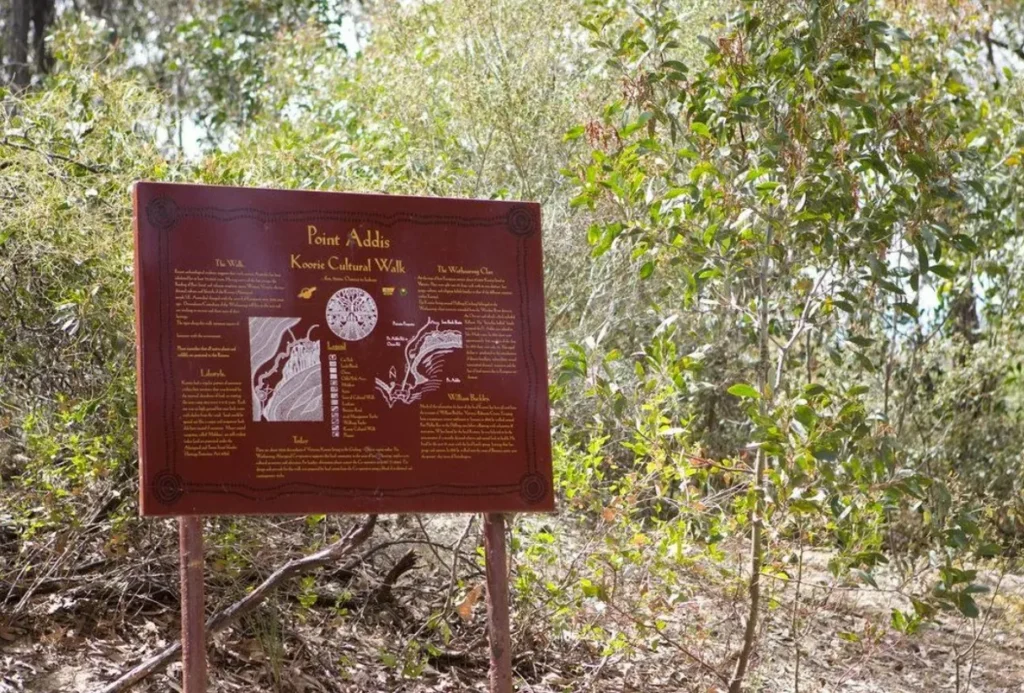
Point Addis Beach Lookout

Point -Addis Lookout is a beautifully landscaped promenade with several viewing platforms. From May to September, you can whale watch here—be sure to bring suitable binoculars! This lookout is a good introduction to the Great Ocean Road but is not a must-see.

Point Addis has nice beach access, and coastal walking trails start in both directions, but we didn’t use them. We were recommended the Koori Cultural Walk.

The Rip Curl surfing competition is held annually at Bells Beach, so if you want to watch the surfers, you can find what you’re looking for there.

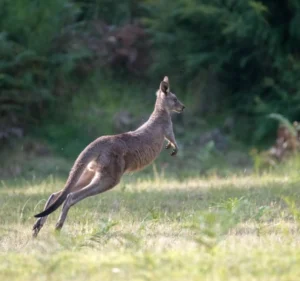
The journey time from Point Addis Lookout to Castle Rock is 30 minutes. The route takes you past Anglesea Golf Club, famous for its many kangaroos on the greens.

Castle Rock

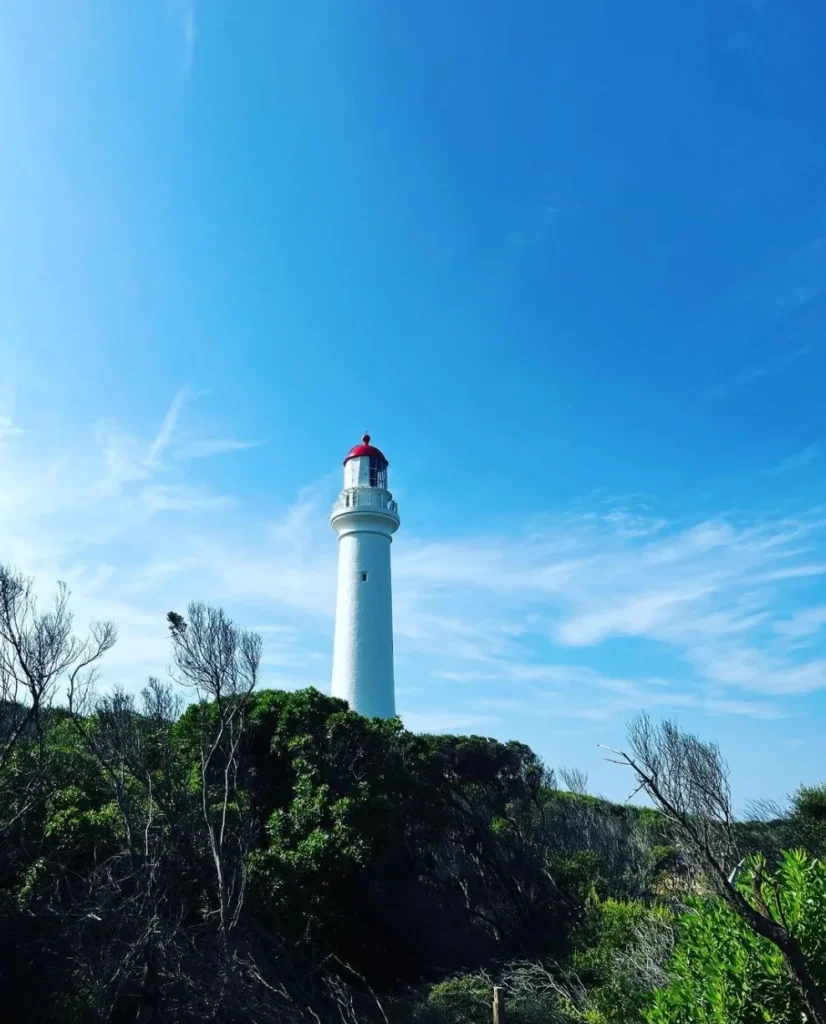
From the visitor car park, you can walk to the lighthouse and view the viewpoints of Eagle Rock and Split Point at Castle Rock. The villas that line the coastline are also very impressive. While travelling along the Great Ocean Road, I was often faced with a difficult decision: see the beautiful coastline or the ever-increasing number of villas.

Castle Rock is a recommended shortstop. If you want, you can also book a self-guided tour of Split point Lighthouse.

Travel time from Castle Rock to Teddy’s Lookout: 30 minutes. Along the way is the Memorial Arch: The Great Ocean Road was built in memory of all those who died in the war, making it the largest war memorial in the world. The Memorial Arch is a popular spot for photos to commemorate the journey. 

Split point Lighthouse

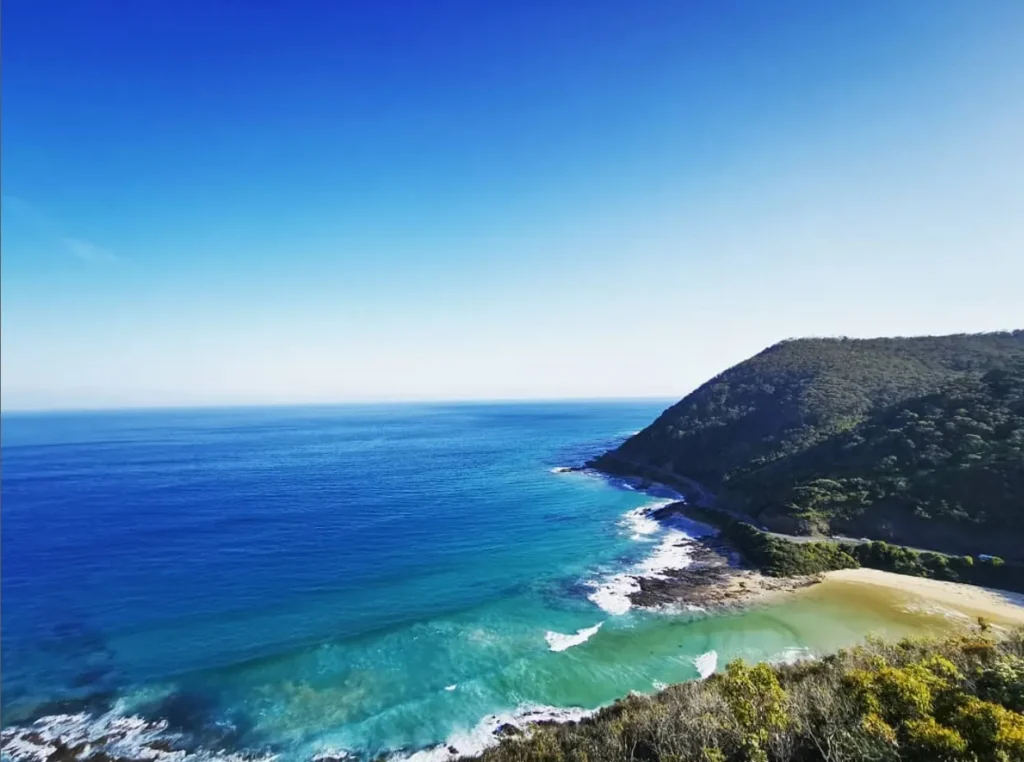
Teddy's Lookout

The approach to Teddy’s Lookout is quite steep and narrow. With a suitable hire car, this wasn’t a problem for us, but with the large camper we had on a previous tour from Cairns to Sydney, we would have really broken a sweat here!

From the car park, it’s just a few steps to the observation deck, which offers a direct view of the Great Ocean Road. Somehow we missed the second observation deck, which was supposed to show a bit more nature.

Travel time from Teddy’s Lookout to Gibson Stairs: 2 hours.

There are a few attractions along this stretch of the Great Ocean Road that we didn’t mention:

  • Erskine Falls is not located directly on the Great Ocean Road but is a popular waterfall. Next to Teddy’s Lookout is Sheoak Falls.
  • Kafe Koala: A super popular restaurant with a small koala walk and lots of parrots and cockatoos.
  • Grey River Road in Kennet River: We were recommended to see koalas in the trees (take your binoculars with you!)
  • Hopetoun Falls: considered a must-see in Victoria.
  • Mites Rest Rainforest Walk: A short walk through the rainforest.
  • Cape Otway Lighthouse: A visit to the lighthouse is possible at an additional cost. Many koalas can be seen in the area.
Teddy's Lookout

Gibson Steps

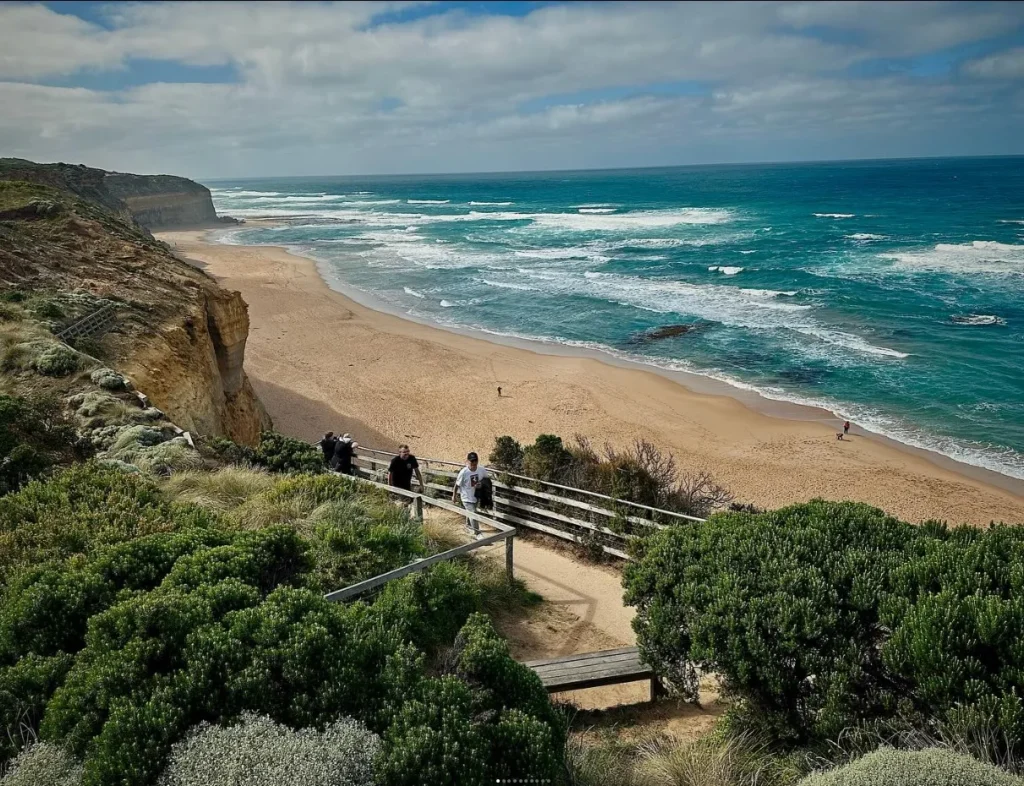
Gibson Steps is a must-do on your journey along the Great Ocean Road. From here our highlights start heading west on Australia’s Dream Road, and Gibson’s steps is a stop you shouldn’t miss as you can walk down to the beach and take a short walk along the cliffs. There are approximately 90 steps down to the beach. Right next to the stairs, there was a small mossy waterfall – probably due to the heavy rain. The 70-metre-high cliff is really impressive, and it looks so neatly cut.

See also  So, Is It Possible to Walk the Great Ocean Road All the Way?

The car park at this popular spot is quite small. If it’s too crowded, you can park in the large visitor car park at the 12 Apostles and walk about 1km along the Great Ocean Road to Gibson’s Stairs.

Travel time from Gibson’s Stairs to the Twelve Apostles: 5 minutes.

The Twelve Apostles

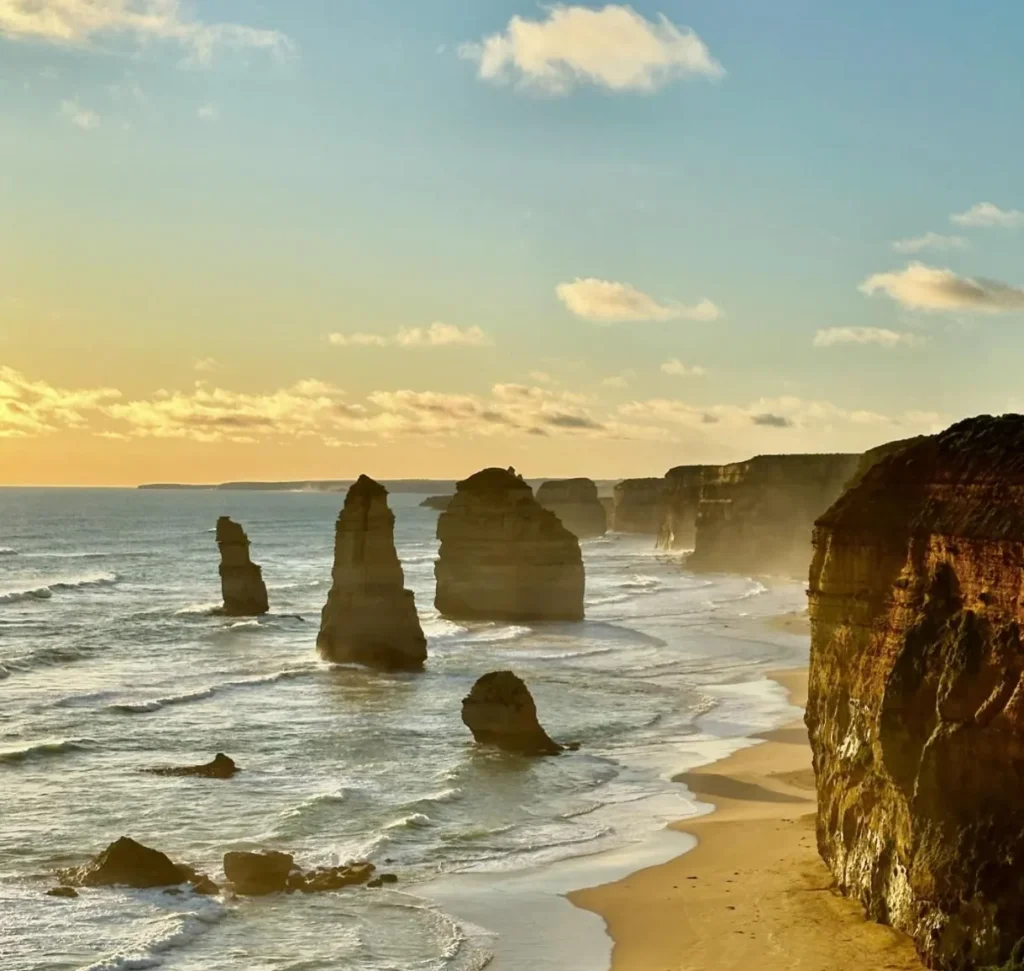
What can I say? That’s probably why you’re here: to finally see the famous rock formation of the Twelve Apostles with your eyes. These eight 70-metre cliffs in the sea probably represent the image everyone has in mind when they think of the Great Ocean Road. So it’s no surprise that it’s a well-developed and certainly visited attraction.

At the Visitor Centre, you’ll find toilets, and you can park your car. From there, a 10-minute walk will take you to the various viewpoints of the Twelve Apostles (of which there have never been 12, but used to be 9). They say the atmosphere at sunset is beautiful. Perhaps there will be fewer events then, as the big bus tours are already returning at this time. This lively vantage point was enough for us.

Of course, visiting the Twelve Apostles on a road trip is one of the attractions of the Great Ocean Road. But we think: there are more rock formations worth seeing here!

Twelve Apostles

Sharp back

Razorback, Tom Eva, and Island Arch Lookout can be reached from the Loch Ard Gorge car park. There is a footpath to Thunder Cave, but there are also car parks.

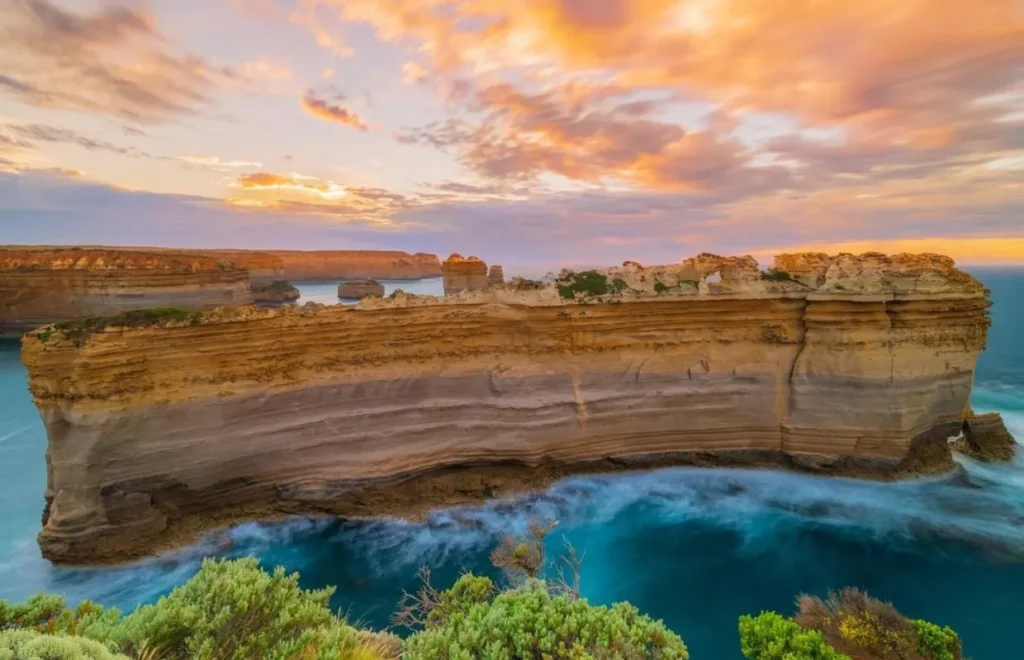
The Razorback rock formation is the absolute highlight of the Great Ocean Road! Many of the freestanding rock formations look something like – this is not the case with Razorback! The long, narrow rock formation is absolutely unique. You should definitely schedule this stop while travelling along the Great Ocean Road. 

The Razorback

Tom and Eve's Lookout

On your way to Razorback Rock, you’ll automatically pass Tom and Eve’s Lookout.

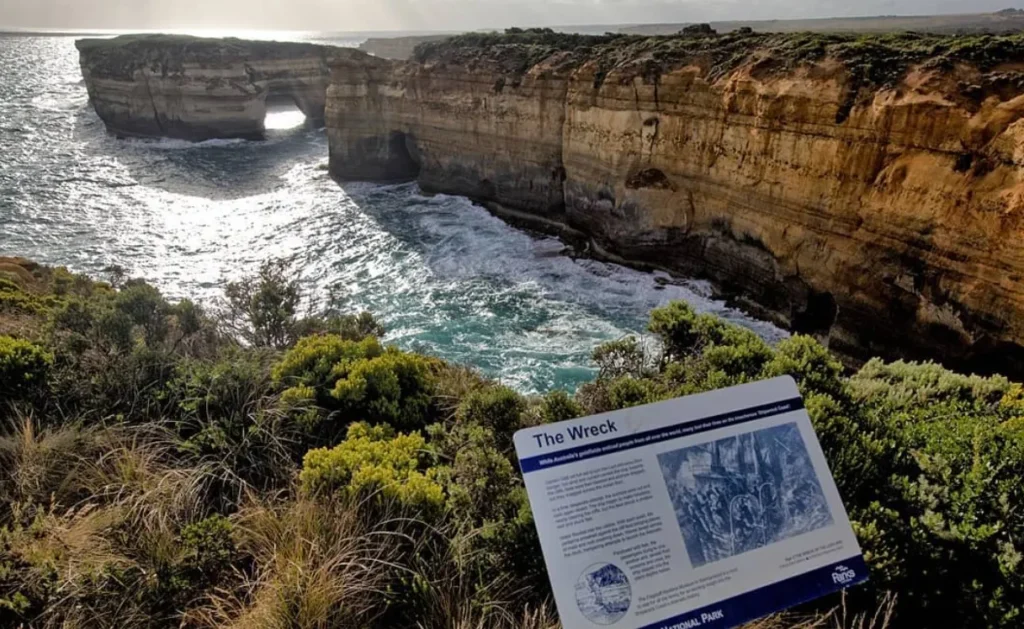
The coast from Port Fairy to Cape Otway is called the Shipwreck Coast. Around 80 shipwrecks are said to have happened here, we didn’t see any from land. The two rocks you see in the photo below were named after Tom and Eva, two teenagers who survived a shipwreck that occurred in Loch Ard Gorge in 1878.

Island Arch Lookout

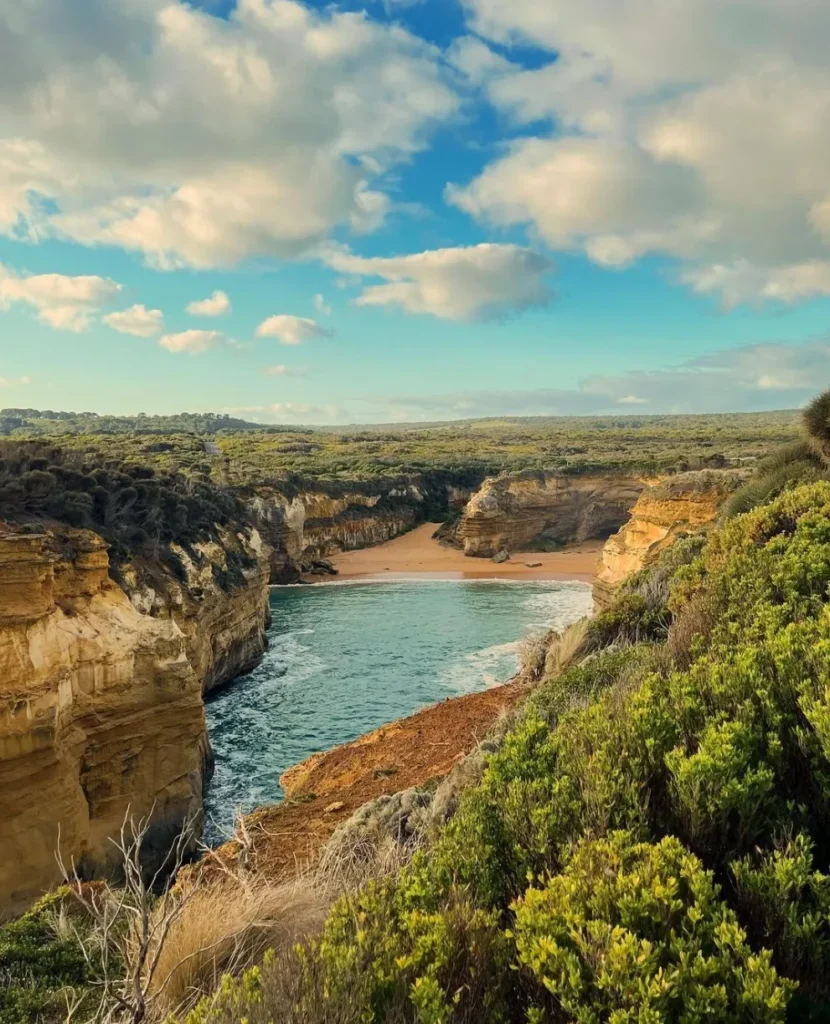
The Island Arch Lookout offers magnificent views of the arch-shaped rock formation. A small viewing platform along the trail offers great views of the beach at Loch Ard Gorge. The short detour to the lookout is well worth it!

Loch Ard Gorge

You can walk down the stairs right onto the beach and admire the rock formations at the end of the stairs. It’s a very beautiful spot, great for a little picnic.

This place was named after the Loch Ard ship that sank here in 1878. The only two wreck survivors are Tom and Eva, remembered by the aforementioned sentinel nearby.

Loch Ard Gorge

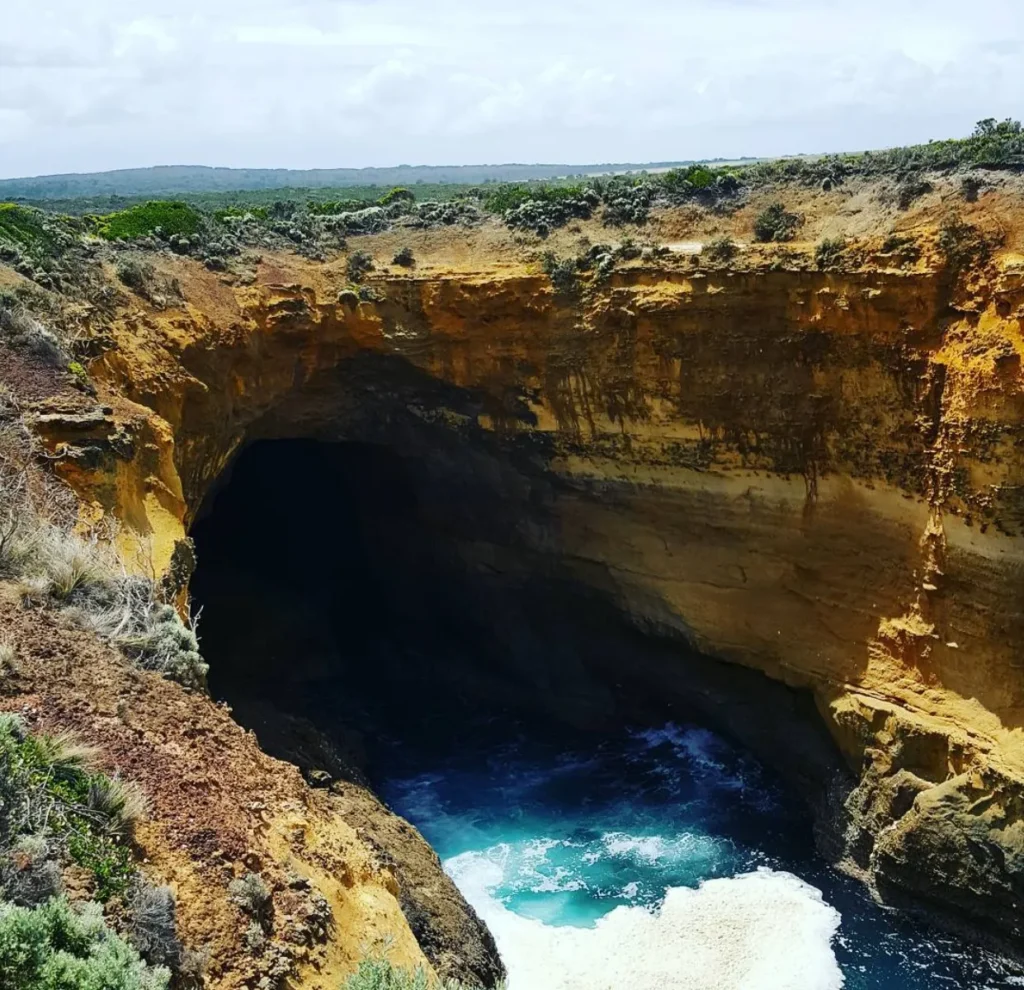
Thunder Cave

The waves lapping against the eroded cave usually create a gigantic background noise. During our visit, the sea was fairly calm. It’s obviously worth looking at the Great Autumn Road tide schedule in advance and planning your visit at high tide.

After Loch Ard Gorge, we drove to the Thunder Cave car park. We did not visit other attractions on the Great Ocean Road, such as the Mutton Bird Lookout and the Sherbrooke River Trail.

Travel time from Thunder Cave Car Park to Bakers Oven: 5 minutes.

Thunder Cave

Bakers Oven

An unmarked gravel road leads from the main road to the Bakers Oven lookout, a nice short stop for your trip that you don’t have to visit. No fences are here, so be especially careful if you travel with children at the Great Ocean Road Lookout.

Travel time from Bakers Aries to London Bridge is 13 minutes. The Arch is one of the most popular places on the route. However, this part was closed in October 2023 due to building work.

The Bakers Oven

London Bridge

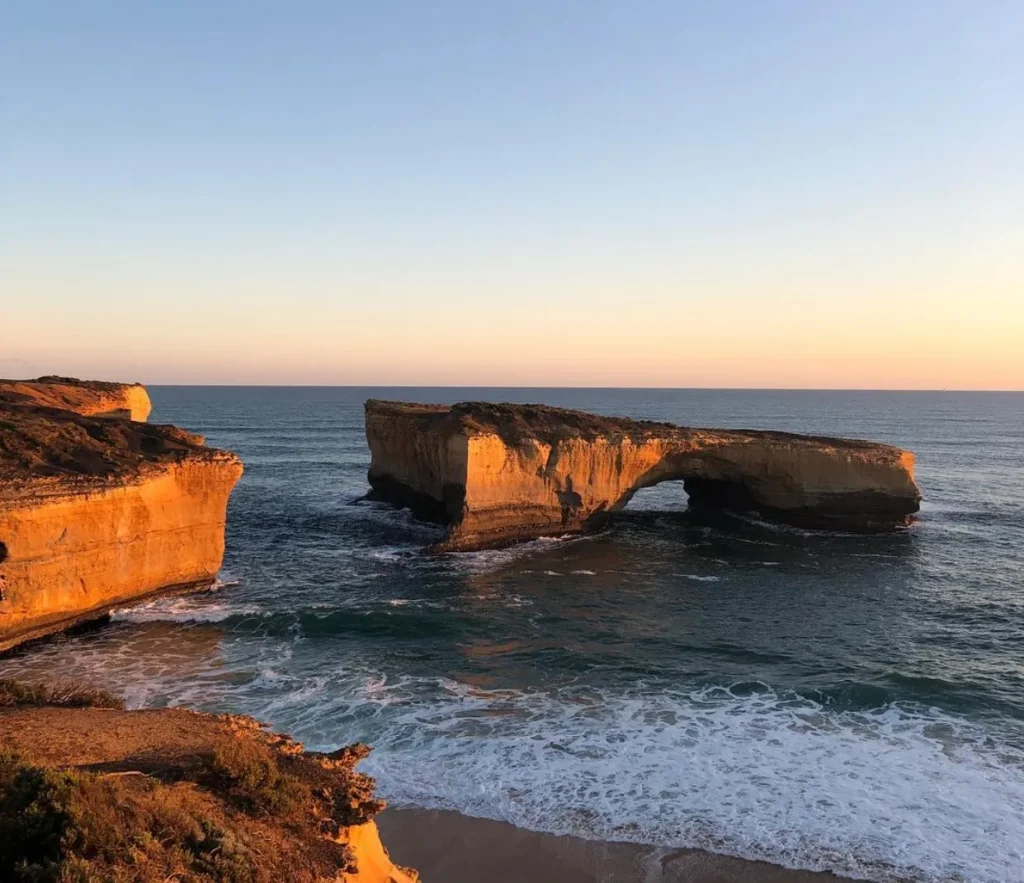
All of these spectacular rock formations on the south coast of Australia have been created over time by erosion, which is the interaction of water and weather. Over and over, individual rocks or formations collapse, and local conditions change.

Until 1990, the London Bridge on the Great Ocean Road was literally a bridge. In January 1990, the portion connected to the mainland collapsed, leaving two tourists stranded on the remaining portion of the London Bridge. Fortunately, nothing happened to them, and they were rescued by helicopter.

See also  Taking a Scenic Flight Over Kakadu: A Bird’s-Eye View

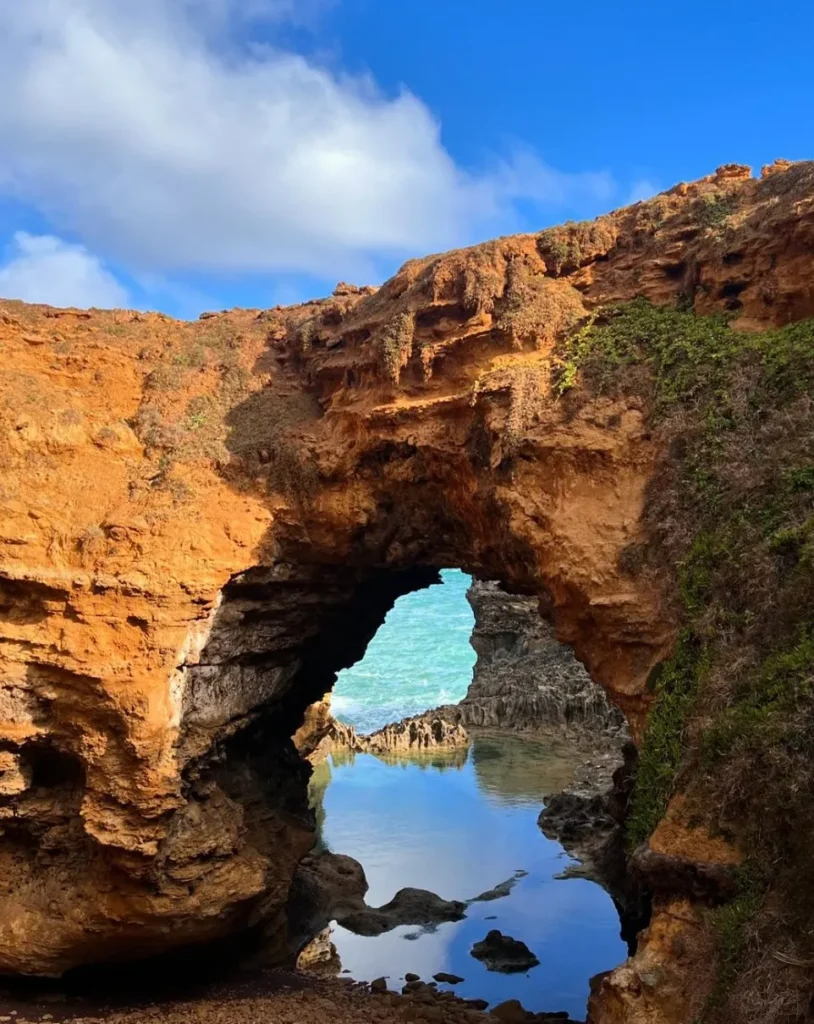
The Grotto

The Grotto will again highlight your dream road trip to Australia. The Grotto’s stone arch is reached by a boardwalk and a few steps. This rock formation and clay walls are a real feature. Don’t miss this attraction on the Great Ocean Road.

Travel time from the Grotto to the Halledale Point car park: 10 minutes.

The Grotto

Hallandale Point

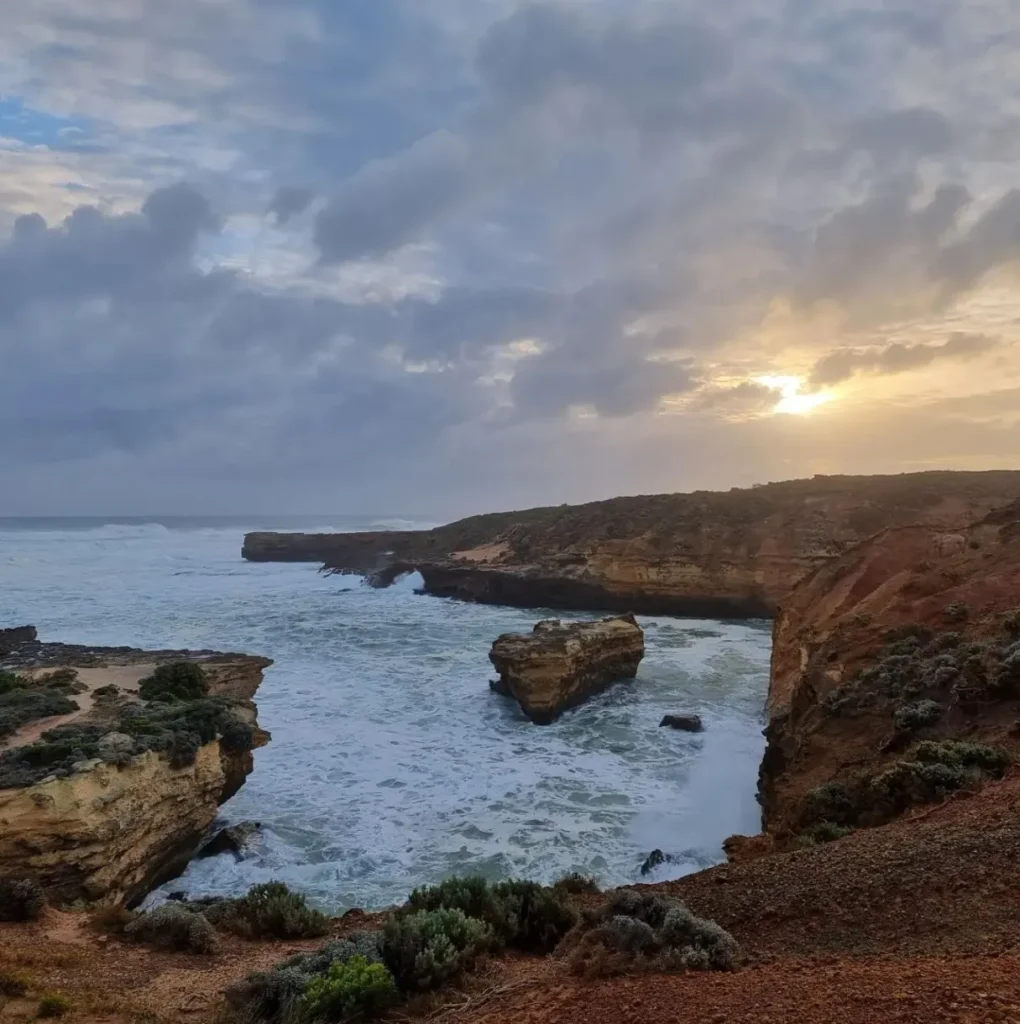
Since Halledale Point was within walking distance of our rented flat in Peterborough, we strolled along Cliff Top Walk to enjoy this and the following viewpoints. Near Wild Dawg Bay, we unexpectedly observed penguins on a cliff on the beach at sunset (be sure to bring binoculars! ). 

Holedale Point is another real secret of the Great Ocean Road. It’s a great place to watch a magical sunset alone. A cliff walk then takes you to the beach of Worm Bay (really beautiful!) and to the first lookout point of Martyrs Bay.

Travel time from Cape Halledale to the Bay of Islands: 5 minutes.

Bay of Islands

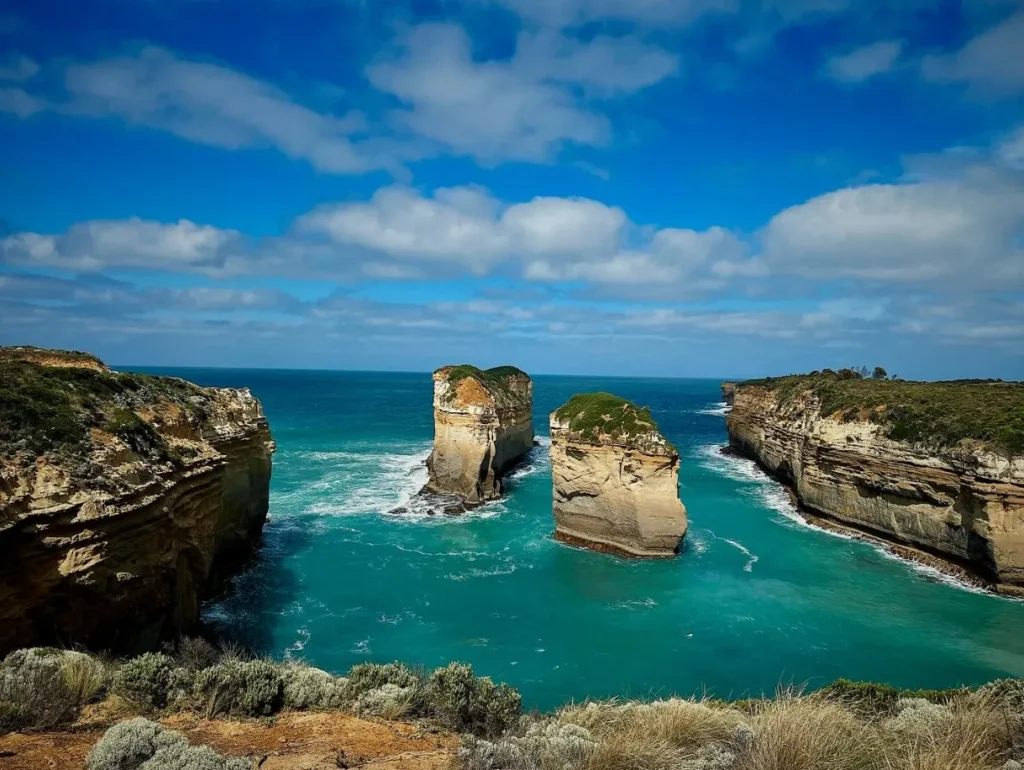
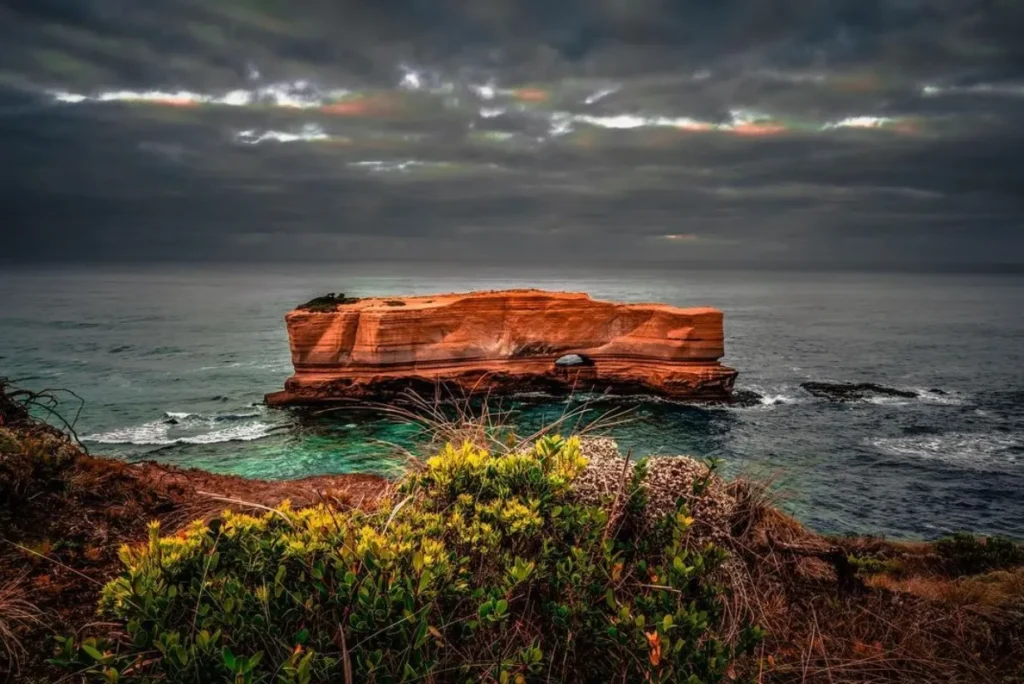
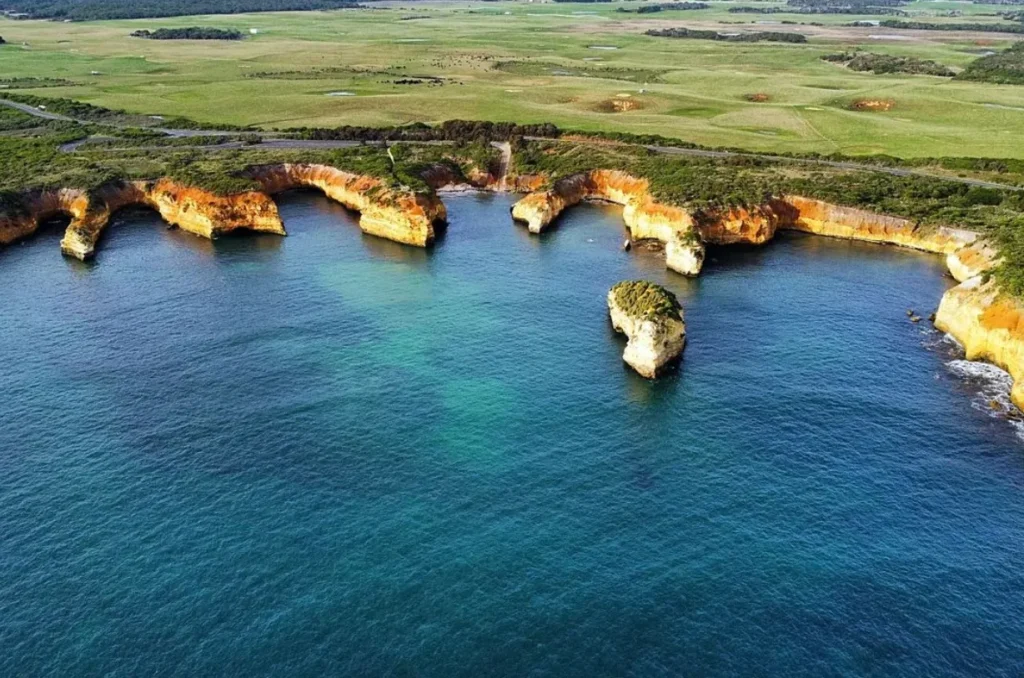
Bay of Islands was the last lookout on our journey along the Great Ocean Road in our hire car. From the car park, a short pavement takes you to viewing platforms of amazing rock formations. This was absolutely successful for us—a big recommendation to schedule this place on your itinerary.

Travel time from our flat in Peterborough to Melbourne: 3 hours. We returned our hire car to Melbourne undamaged except for a small chip from a rock. You don’t need a car to stay in this city. We then took the ferry from Melbourne to Tasmania.

Bay of Islands

More tips for your journey along the Great Ocean Road:

How much time should you plan on travelling on the Great Ocean Road?

We recommend planning a trip on the Great Ocean Road for at least two days. We spent a total of a week on the Great Ocean Road, first spending a few relaxing days on the beach in Torquay.

When is the ideal time to travel on the Great Ocean Road?

The prime time to travel along the south coast of Australia and the Great Ocean Road is during the Australian summer – roughly November to March. During this time you can expect 30-degree sunny weather during the day, but temperatures drop to around 15 degrees at night.

Many viewpoints and beaches on the Great Ocean Road are crowded during the peak tourist season, so holiday apartments should be booked in advance.

We visited the Great Ocean Road at the end of October 2023. Unfortunately, 2023 has historically been the year with the most rainfall on the east coast of Australia since weather records began, so our entire three-month trip was quite mixed weather-wise. Whilst we had a few sunny days with temperatures around 25 degrees, there were also rainy and windy days with temperatures of 15 degrees. We were very glad we opted out of the campervan trip and preferred sleeping in a holiday apartment.

Hallandale Point Australia

Where should you stay when travelling on Great Ocean Road?

If you are starting your journey in Melbourne, the small town of Apollo Bay or Lorne is recommended as your first place to stay on the Great Ocean Road, if you are planning another night, Port Campbell is recommended;

Unfortunately, we were unable to find holiday apartments in our price range in these coastal towns, so we switched to Torquay and Peterborough

How much does it cost to travel around Australia?

If you are starting your journey in Melbourne, the small town of Apollo Bay or Lorne is recommended as your first place to stay on the Great Ocean Road, if you are planning another night, Port Campbell is recommended;

Unfortunately, we were unable to find holiday apartments in our price range in these coastal towns, so we switched to Torquay and Peterborough

You’ve probably guessed it: we can’t give you any reliable information about what this trip will cost you. To give you an idea of what you should expect to spend on a trip on the Great Ocean Road, we’ll give you an idea of our costs. The following costs were incurred during our trip to Australia in October 2023 for 14 days while travelling by hire car from Sydney to Melbourne (excluding stays in these cities):

  • Car hire, including insurance, per day: €49.
  • Petrol per kilometre: (2085 kilometres): €0.11.
  • Accommodation per day: 129 euros.
  • Accommodation costs (food and drinks): 51 euros.

Tips for travellers on planning a trip:

We recommend getting an overview of the Great Ocean Road attractions before travelling. 

You can find a great overview of all the viewpoints and hiking trails on the respective national park pages:

  • Great Otway National Park: Various guidebooks provide information on sights from Bells Beach to Shea Oaks Falls.
  • Port Campbell National Park: download a national park guide to your mobile phone with information on attractions from the Twelve Apostles to the Bay of Islands. 

Are Victoria's national parks chargeable?

You will visit several national parks during your trip without even realising it. For example, the Twelve Apostles and London Bridge belong to Port Campbell National Park. You can visit all of Victoria’s national parks for free, and you don’t need a park pass. All the car parks we visited were also free.

See also  How Much Does It Cost To Clean a Commercial Window?

Are there enough public toilets?

Surprisingly, the Great Ocean Road is relatively sparsely equipped with sanitary facilities. Only a few of the viewpoints have toilets. You can view the sanitary facilities on the free app ‘ campermate’. Toilets in Australia are always free and usually exceptionally clean.

Toilets, playgrounds, and drinking fountains are available on the esplanades in the Great Ocean Road tourist areas, but not at the lookouts on the GOR.

A short stop in tourist towns like Lorne and Apollo Bay is definitely worth it for ‘supply purposes’. 

What do you think of the bathing beaches in Victoria?

We didn’t swim in the sea once during our trip in October. We spent a few lovely days in early summer on a beach in Torquay, but the sea was too cold for us.

If you’re on the Great Ocean Road in an Australian summer, planning enough time to spend a day at the beach is worth planning. Due to the currents and strong waves, not every beach is suitable for swimming. At every beach entrance in Australia, you’ll find warning signs outlining specific beach risks.

Be sure to download the Beachsafe app on your mobile phone when travelling in Australia. The app will give you all the information about beaches along your travel route.

Tips for travelling with children on the Great Ocean Road

Unfortunately, our kids don’t show the same persistent enthusiasm for every viewpoint as our parents. You may feel the same way. Many of the stops on the Great Ocean Road are short sightseeing stops: get out, walk around a bit, enjoy, take pictures, and come back.

To make the trip a highlight for the whole family, here are our tips:

  • Download an exciting audiobook for long journeys and popular songs to sing along to on your mobile phone.
  • Ensures there are enough snacks on board
  • Don’t plan too hard and take breaks at playgrounds and beaches as needed (if you have plenty of time, go on a beach holiday for a few days).
  • You may be able to increase your children’s enthusiasm if they are allowed to take photos or small videos at the grandparents’ viewing platforms.
  • Mark all the sights on your itinerary and spontaneously decide how intense the sightseeing will be depending on your mood. 

Our conclusion: is the Great Ocean Road worth it?

We love road trips and have driven some breathtaking routes. The Great Ocean Road crosses almost every coastal road. I’ve yet to get excited about the part of the route from Torquay to the Twelve Apostles: marvellous beaches, beautiful rock formations, great coastal views – really great, but I’ve seen it a few times before. The viewpoint at the Twelve Apostles was too developed for me; it was crowded and somehow not magical. On the second part of the route, we found quieter viewpoints and rock formations that we had never seen anywhere before, leaving us speechless. We were surprised to see penguins, witnessed unforgettable sunsets and were once again amazed at what erosion can do.

The Great Ocean Road is an absolute must-see attraction in Australia! 

Popular articles