
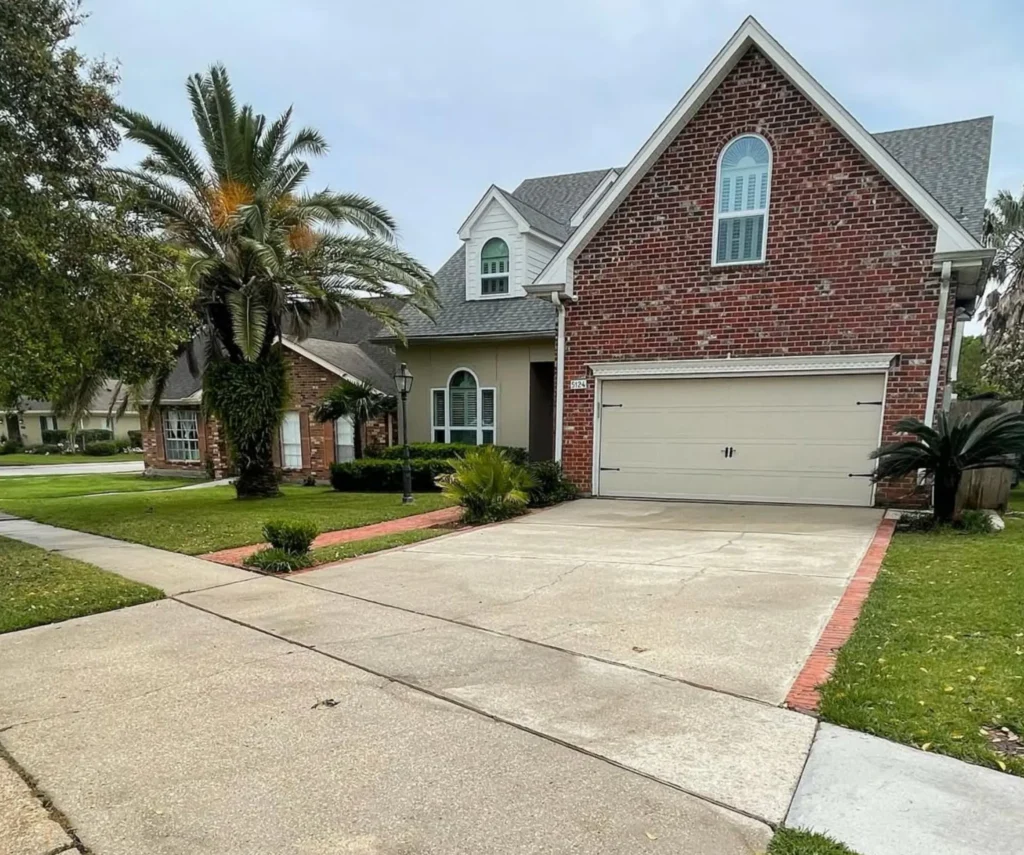
We’re going to tackle what PSI do you need to power wash concrete? You’d be shocked at how many concrete driveways in Melbourne we’ve seen left looking like a war zone – all because someone thought they could wing it with a brand-new power washer and an “I’m a power washing pro” attitude – without actually reading the instructions.
Contents
- 1 Why Proper Pressure Levels Come First
- 2 Optimal Pressure for Tough Areas
- 3 Best Pressure Settings by Material
- 4 It’s Not All About Pressure: Flow Rate Is Key
- 5 Nozzle Choice: Where Most DIYers Do the Most Damage
- 6 Hot Water vs Cold Water: Does It Affect PSI?
- 7 Pre-Clean Prep: What To Check Before
- 8 Using Cleaning Chemicals and Dwell Time Properly
- 9 Extension Wands, Surface Cleaners, Injection Nozzles
- 10 Safety Tips
- 11 FAQ
Why Proper Pressure Levels Come First
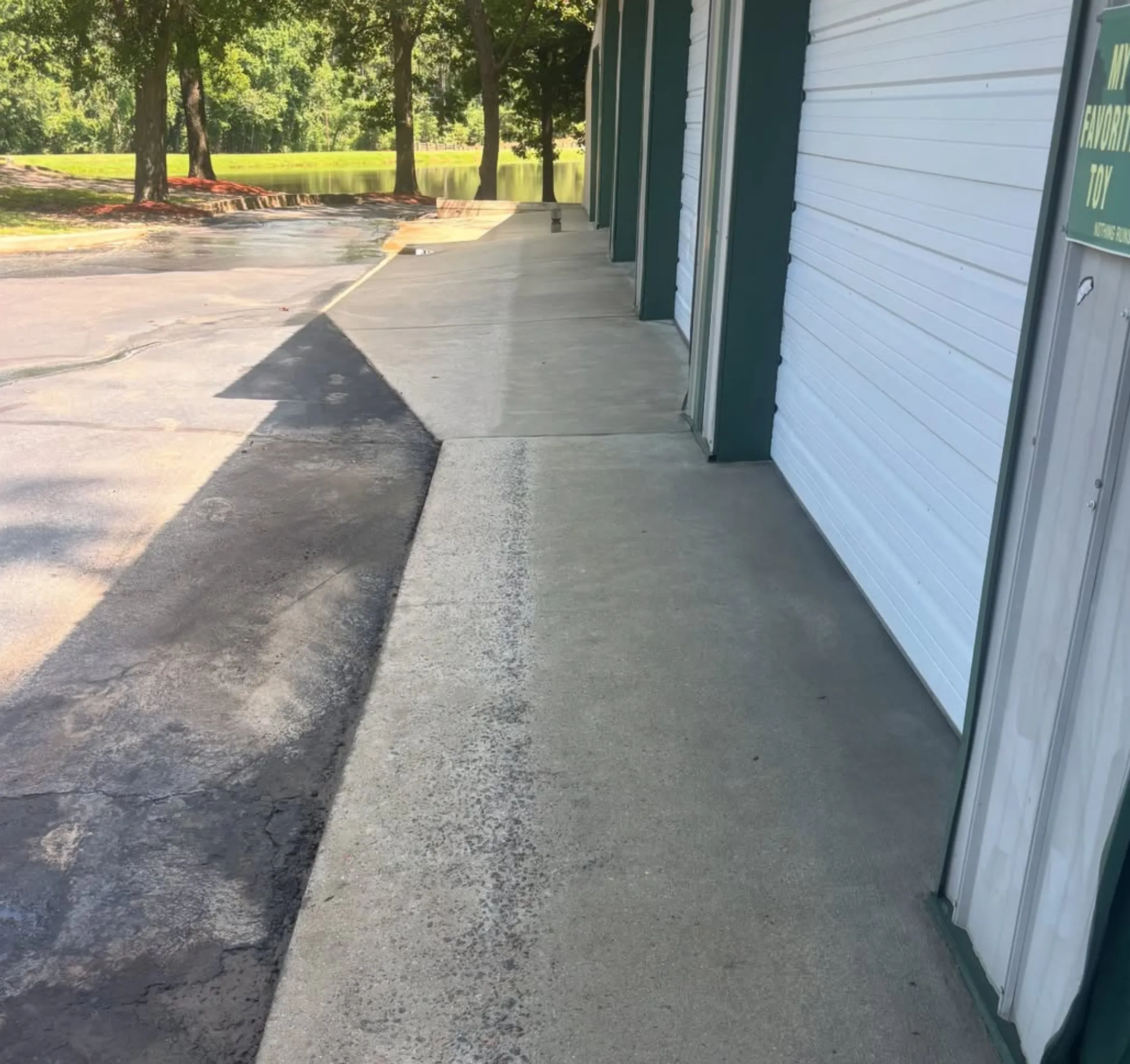
Pressure washing might look like child’s play: aim, spray and job done. But concrete cleaning is a whole different story. Concrete surfaces vary widely in hardness, age, and porosity. So blasting them with high-pressure water without a second thought is a quick way to gouge the surface, strip off joint fillers, or scatter poly sand all over your lawn like confetti.
We see this sort of thing happening a lot in older suburbs where slabs have been putting up with 40+ years of Melbourne’s dodgy weather – all that rain, sunshine and the odd stormwater flood. And let me tell you, PSI isn’t just a random number; it’s the difference between having a clean driveway and having to rip the whole thing out and start again.
Optimal Pressure for Tough Areas
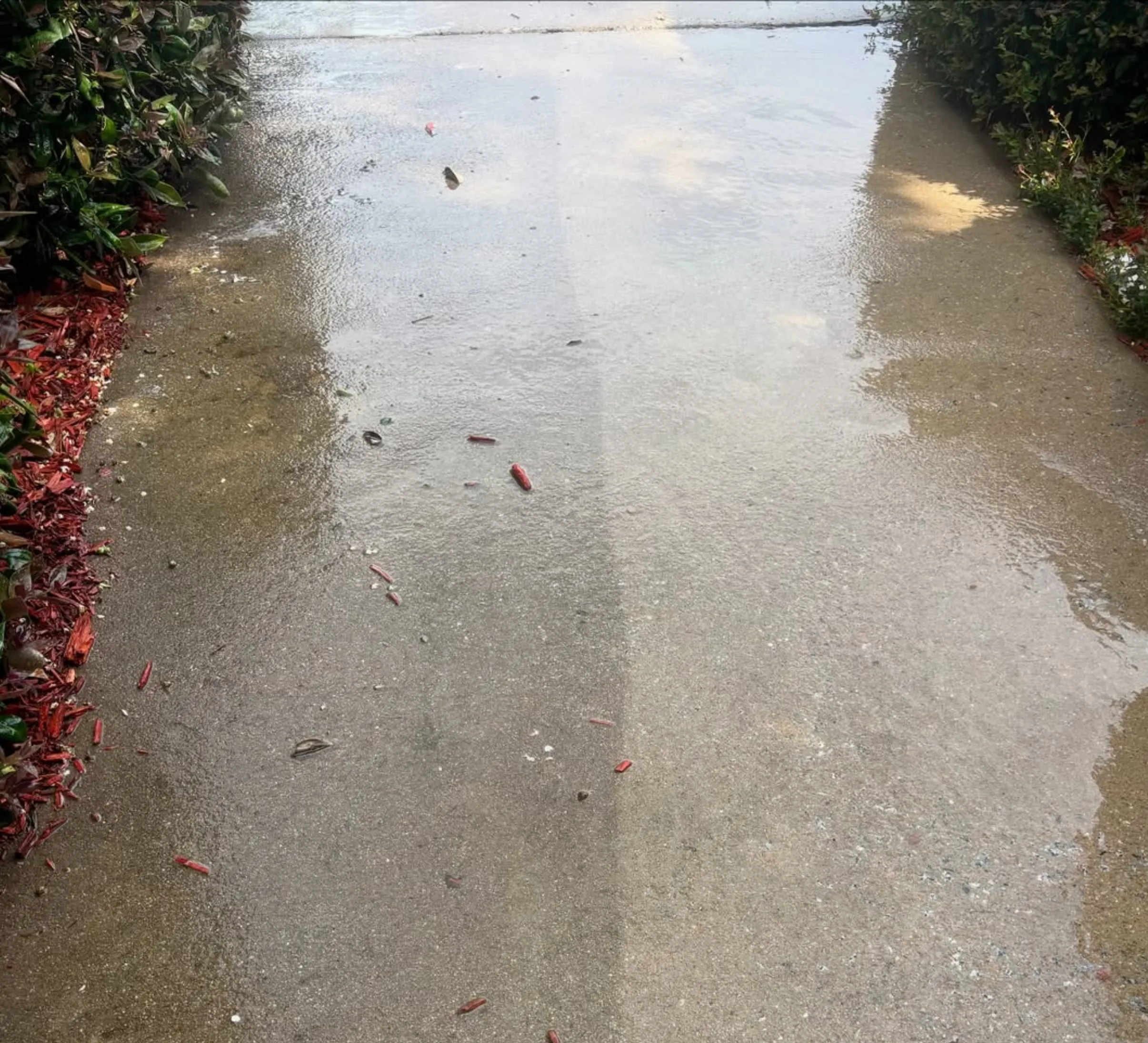
For those general driveway pressure cleanings, 2700 to 3,500 PSI is your friend. Most cold-water power washers that you’d pick up around the house will get you there – the petrol ones especially.
If you’ve got a pressure washer that runs at 3000 PSI, you’re already in good shape for tackling driveway stains, oil stains, mould and all the accumulated grime. If you start cranking it up past 3,500, you’re getting into territory that’s better suited for a pro with real industrial-grade kit – in reality, a little too heavy for DIY wannabes.
Petrol units that can run on hot water (more common in pro work) are convenient for oil and grease stains because the heat does a lot of the heavy lifting, breaking down the oils long before the pressure even gets a chance.
Best Pressure Settings by Material
Different concrete surfaces handle pressure differently. Here’s what years of power washing jobs taught us:
| Concrete Surface | Ideal PSI Range | Notes From Window Cleaning Melbourne Crew |
| Standard concrete driveway | 2,700–3,500 PSI | Handles most pressure washing well, especially with a pressure washer surface cleaner. |
| Concrete slabs (older) | 1,500–2,500 PSI | Can crumble — go gentle, wide spray pattern, avoid turbo nozzles. |
| Stencilled/coloured concrete | 1,200–2,000 PSI | High PSI strips colour — rely on cleaning chemicals + dwell time instead. |
| Exposed aggregate | 3,000–4,000 PSI | Strong surface, but can lose stones if pressure is too tight or too close. |
| Concrete pavers | 1,500–2,000 PSI | Too much pressure pops the sand; always seal the pavers afterwards. |
Professional cleaning gear keeps you from getting those unsightly curved marks and etching from uneven pressure washer wand movement. Which is why we tend to pick a surface cleaner when tackling big driveways rather than the usual handheld wand.
It’s Not All About Pressure: Flow Rate Is Key

Lots of DIYers focus on the pressure washer’s PSI, but the pros know that water flow rate (LPM) is just as important.
A high PSI doesn’t mean squat if you’re only getting garden-hose water pressure. You’ll be running around all day trying to get the dirt off the slab instead of just flushing it away.
A pressure washer with a decent water flow rate – around 10-15 LPM – will get the job done a lot faster, especially on:
- Big driveways
- Concrete pavers
- Greasy parking areas
- Mossy or algae-covered paths
If your water flow rate is low because of old plumbing or high pressure, you might want to consider using an extension hose or a siphon tube hooked up to a tank for a bit more consistent output.
Nozzle Choice: Where Most DIYers Do the Most Damage
You can buy a machine with a million PSI, but choose the wrong nozzle and you’ll be carving up the concrete like nobody’s business.
Here’s the breakdown in simple terms:
- 40° nozzle is the safest option if you’ve got delicate concrete surfaces, you don’t want to damage
- 25° nozzle is usually perfect for most driveway cleaning
- 15° nozzle is for those really stubborn stains, but move fast because you don’t want it to eat away too much
- Turbo nozzles are high aggression – only use if you know what you’re doing
A surface cleaner attachment makes the process much safer by maintaining an even, controlled spray pattern.
Hot Water vs Cold Water: Does It Affect PSI?

In short, no direct difference in PSI, but the cleaning power is a different story altogether.
Cold-water power washers rely on PSI for all their power, while hot-water units use heat, chemicals and moderate pressure to melt grease and oil stains.
For oil-and-grease stains:
2,500 PSI + hot water + concrete cleaner = a heck of a lot faster results with less damage
For salt deposits (common around coastal suburbs):
A bleach solution or mildew remover will do a lot better than just blasting it with brute force.
Pre-Clean Prep: What To Check Before
Before you unleash that high-pressure water on any slab, do a quick check to make sure everything is safe and good to go:
- Make sure you’re wearing safety specs and protective gear – concrete shards can fly everywhere
- Check for cracks and weak spots
- Get rid of any loose stones – you don’t want to have to clear up the mess after it’s already been launched everywhere
- Confirm the water drainage system isn’t all blocked
- Even the pros read the user manual – make sure you know how to use the nozzle right
- Identify any painted or sealed sections, so you know what areas to avoid
This alone saves more repairs than you’d think, especially in homes where the curing process of the concrete was rushed or poorly finished.
Using Cleaning Chemicals and Dwell Time Properly
Cleaning chemicals are the secret to great results — not max PSI.
We often pre-treat with:
- Concrete cleaner
- Degreaser
- Bleach solution (for mould/mildew)
- Mild alkaline detergents for organic stains
Let the product dwell for 5–10 minutes before rinsing. This means you can use a lower PSI safely — handy when the concrete surface is delicate.
Extension Wands, Surface Cleaners, Injection Nozzles
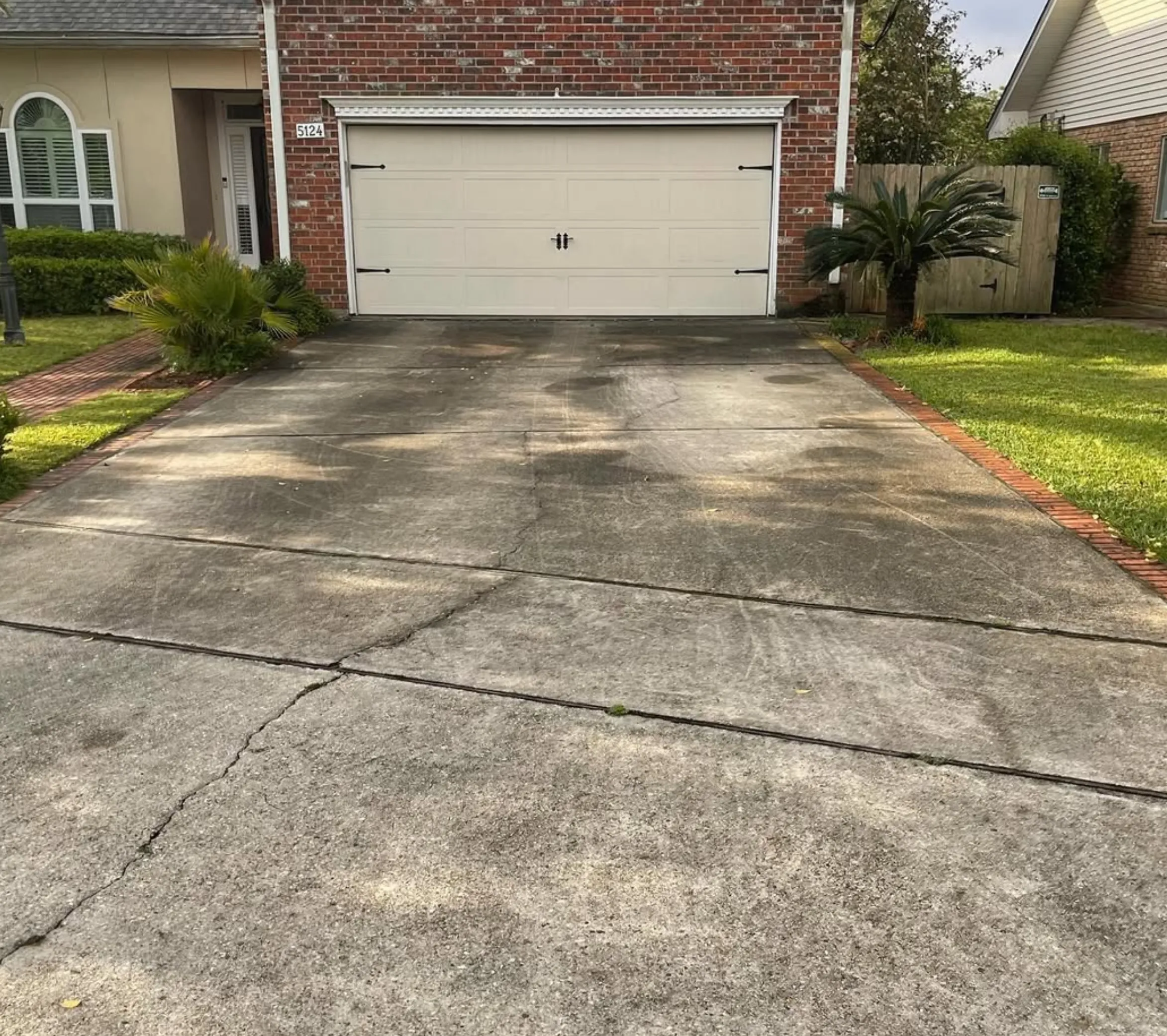
Some tools make pressure cleaning easier and safer:
- Extension wand for deep stains without bending
- Surface cleaner for uniform cleaning and reduced PSI risk
- Injection nozzle, if you need a chemical stream application
- Extension hose when taps are awkwardly placed
DIY setups often skip these, resulting in uneven finishes or etched surfaces.
Safety Tips
Concrete cleaning is messy and dangerous. Treat the machine like a chainsaw.
- Wear protective gear, head to toe
- Keep kids and pets well away
- Never point the wand at feet or hands
- Don’t clean on ladders — recoil is dangerous
- Watch your stance on slippery mossy areas
- High-pressure water can cut skin — not just sting.
Power washing your concrete is one of those jobs that looks simple on YouTube, but as we remind homeowners at Window Cleaning Melbourne Crew, the right PSI and technique make all the difference between a clean slab and a chewed-up driveway.
FAQ
What PSI is best for concrete cleaning?
Most concrete driveways need 2,700–3,500 PSI. Older slabs need less; commercial sites use more.
Will a 3000 PSI power washer clean concrete?
Yes — a pressure washer with 3000 PSI is suitable for most household concrete-cleaning jobs.
Can high PSI damage concrete?
Yes. Using the wrong nozzle, applying too much pressure, or holding the wand too close can etch or scar the surface.
Do I need chemicals to clean concrete?
For oil, mould and grease — yes. Cleaning chemicals reduce the PSI needed and protect delicate surfaces.
Is a surface cleaner better than a wand?
Yes — a surface cleaner delivers even pressure and prevents zebra stripes or patchy results.